36 Articles

my child wants to ride horses, teaching children to ride horses, nikki alvin smith horse trainer, what does a beginner horse rider need

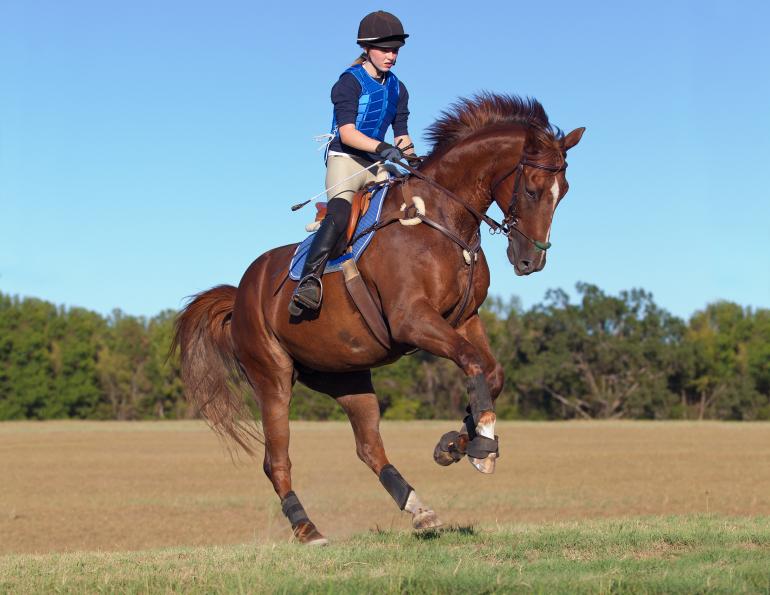
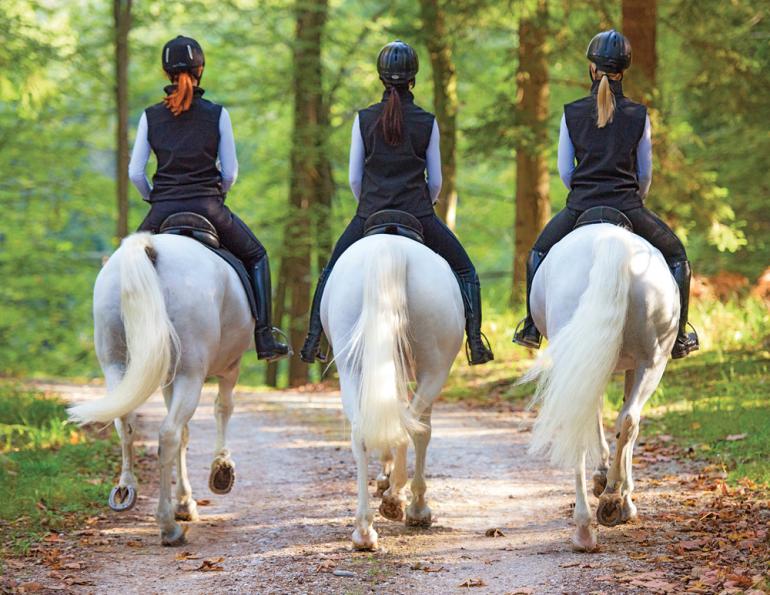
Teaching children to ride is extremely rewarding. Their enthusiasm, open hearts, and keen attitude to learn make children good students. Their fondness of ponies is a joy to behold. Most children are quite fearless when it comes to riding and it is the responsibility of the instructor to ensure their safety comes first and their exuberance to ride is carefully channeled. For the nervous rider, much patience is needed and allowing a child to sit on a pony and be led can work wonders for their self-confidence.

feeding senior horse, malnourished senior horse, henneke body condition horse, senior equine teeth

Each horse is an individual and will have their own specific nutritional needs. With that in mind, there are several categories into which seniors can be divided based on their nutritional needs.

larry trocha, quarter horses cutting, signs of a good cutting horse, training cutting horse

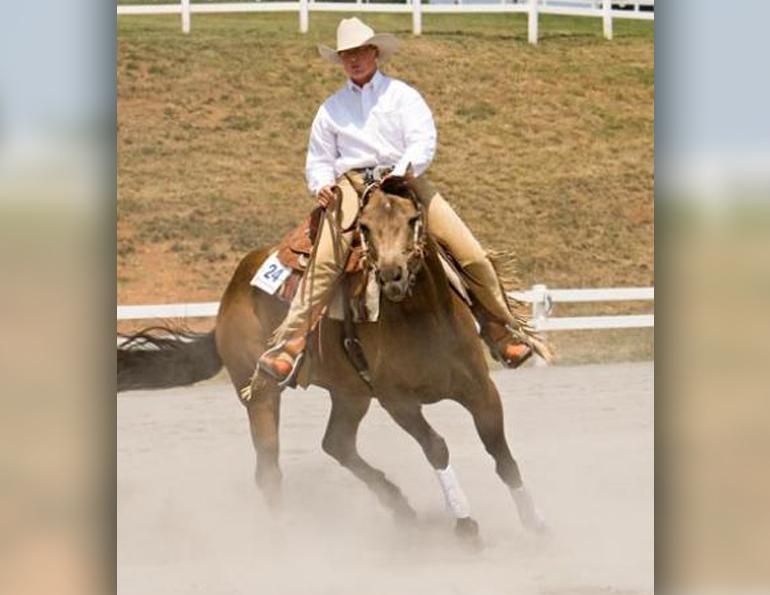
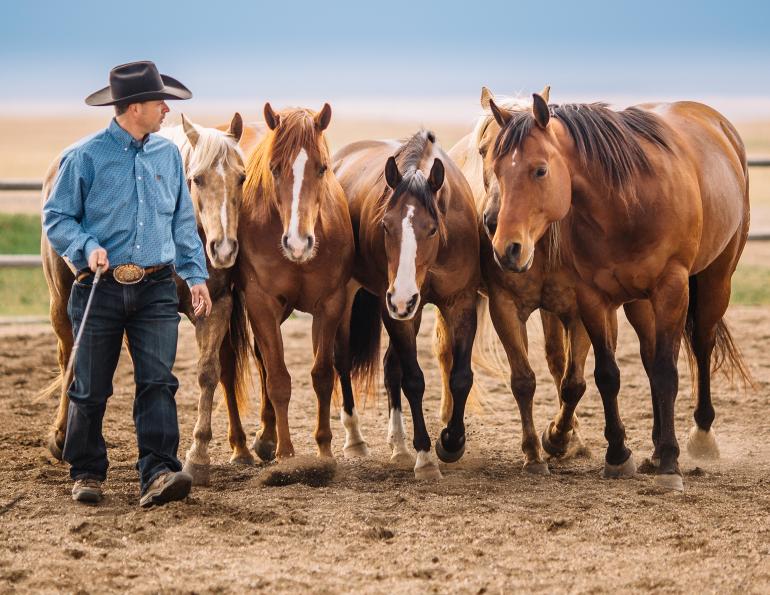
During my career as a professional horse trainer, I’ve heard horse owners give all kinds of reasons why they think their horse could be a winner in the cutting arena. Unfortunately, when it comes to cow horses, a lot of folks are misinformed as to what is fact and what is fiction.

coach licensing equestrian canada, how to find a good riding coach, teach children to ride

Parents of horse-crazy kids and other prospective beginners often feel at a loss as to how to get involved with horses and make the best choices in an industry they know little about. At the same time, the number of participants in the equestrian community has been steadily declining in recent years, and the increase in the average age of those remaining involved points to a strong need to encourage new people to enter the horse industry.

horse colic operation, treatments for colic, equine science update, mark andrews, standing flank laparotomy colic

A recent study has concluded that standing flank laparotomy may be a suitable option for surgical treatment of some cases of equine colic. The standard surgical approach for colic is through an incision in the ventral midline, with the horse under general anaesthesia. General anaesthesia poses additional risks over and above those of the surgery itself, and the personnel and equipment required increase the cost.

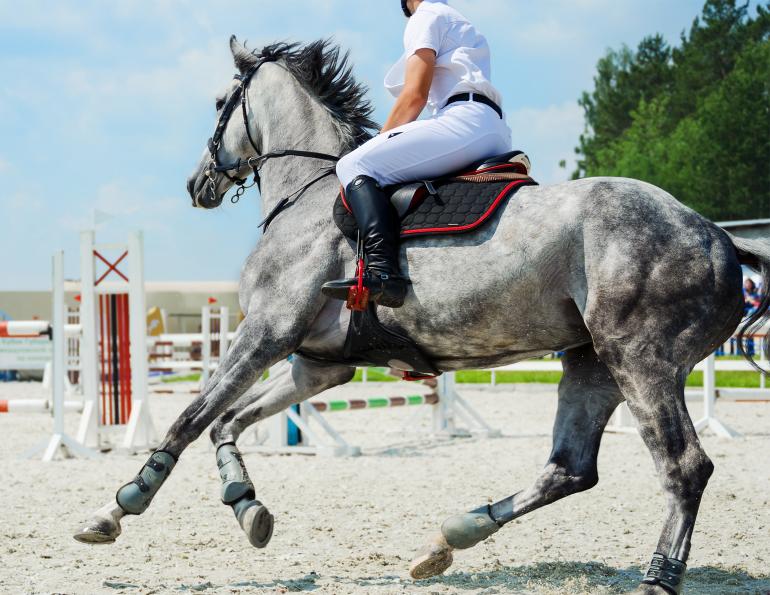
successful horse people, winona hartvikson dressage paralympic, kyle carter olympian eventer, stephanie valdes show jumping, tiffany foster little equestrian, horse riding olympics, canadian horse riders

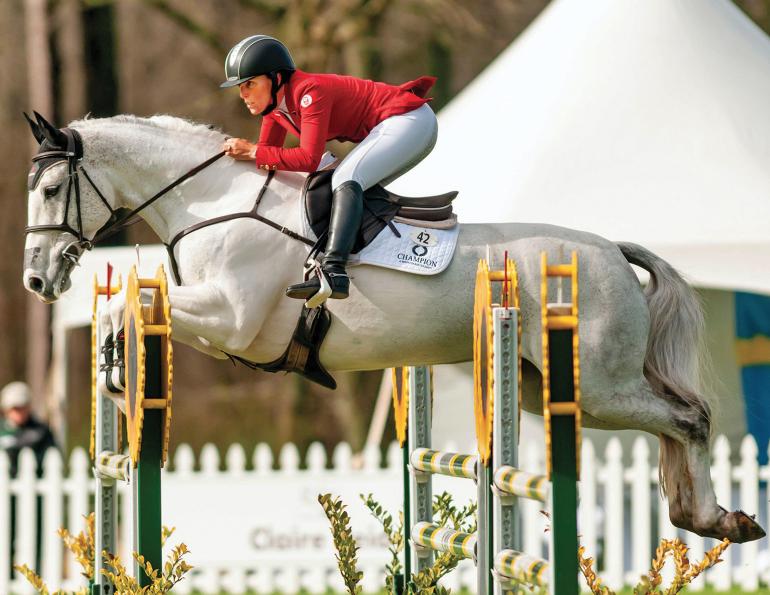
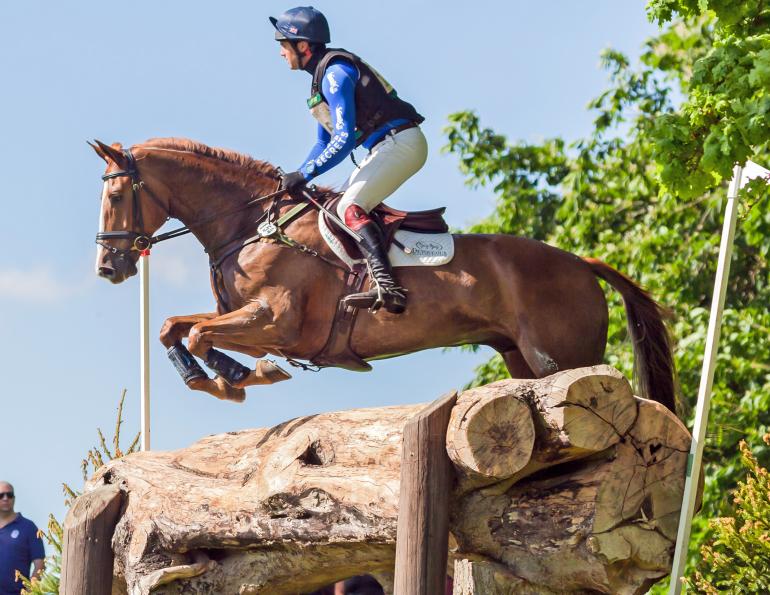
Elite equestrian riders often credit their success to a dedicated team of professionals who work together to optimize both the rider’s and horse’s performance. However, successful teams go beyond the standard mix of farriers, grooms, owners, saddle fitters, sponsors, sports psychologists, and veterinarians. Three prominent Canadian riders—amateur show jumper Stephanie Valdes, 2020 Paralympian dressage rider Winona Hartvikson, and seasoned Olympic three-day eventer Kyle Carter—there’s much more to building a winning team.

acera insurance, capricmw equicare, changes to canadian horse insurance, equine insurance canada

The horse industry is changing. Horse welfare has become an everyday concern; veterinary medicine has advanced substantially; and the costs of horse ownership have risen. So, it’s time for the horse insurance industry to change, too.

fragile foal system, breeds fragile foal system, deformities in foals, is my foal healthy, gene testing horses

Fragile Foal Syndrome (FFS) is a lethal genetic disease of connective tissue which has been reported most frequently. in Warmbloods. However, a recent study has found that the genetic defect responsible is present across a range of other breeds.

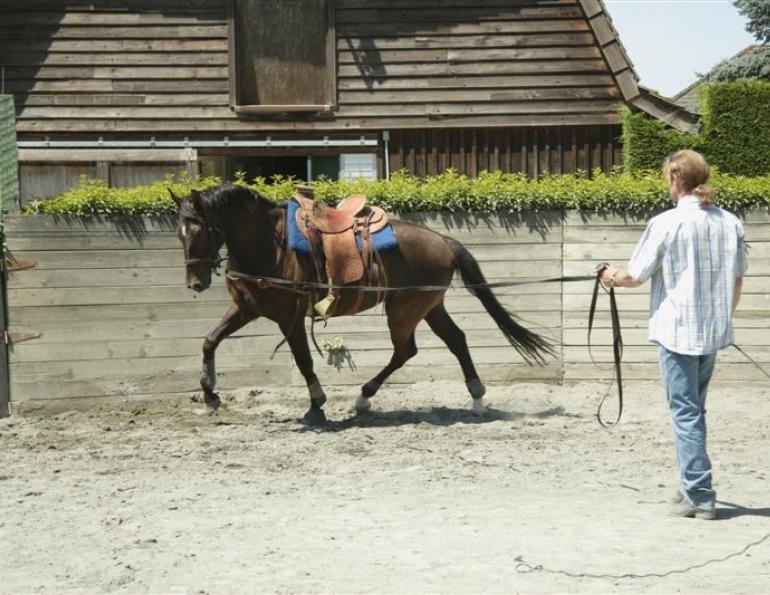
jec ballou, how to leg yield, exercises for leg yield, horse won't leg yield, best leg yielding advice

Understanding the Leg Yield - Among the key building blocks in equine training, a few exercises serve both as early learning tools and as valuable corrections for more advanced horses. The leg yield is one such movement. It not only develops a young horse’s balance but can also help restore quality of movement when a seasoned horse becomes stiff or resistant. Properly applied, it addresses a range of issues in how a horse carries himself.

straighten your horse, how to ride a horse straight, horse not straight over fences, sarah bradley

With Sarah Bradley - “Straightness refers to how the horse positions his body, and his ability to use both sides of his body evenly, providing even propulsion from both hind legs and carrying even weight on both front legs. It's about the rider’s ability to place the horse’s body on the line the rider wishes to travel. A horse is straight when the bird’s eye view shows the horse’s spine as being directly on the line of travel. Thus, a horse on a circle is ‘straight’ when it compresses the inside of its body and lengthens the outside, so that its spine follows the circle.”

riding horses simulator, equine science update mark andrews, saddle research trust's conference

A novel horse-riding simulator offers new possibilities for rider training and welfare of the ridden horse. The simulator was developed at the Department of Mechanical Engineering at Lappeenranta-Lahti University of Technology (LUT) in Finland, as part of a project to monitor body and brain behaviour of both professional and non-professional riders.

Jonathan Field, horse riding stop, horse whoa, horse hault, One Rein Bend to the Stop, Disengaging horse's Hindquarters, Two-Rein Stop, horse riding Jonathan Field

What makes a great stop? A great stop is when you can ride at the gallop in any location and simply relax, let your breath out, and your horse responds by quickly coming down to the stop, both physically and mentally, just off your seat.

henneke body condition score, body scoring horses, how to tell if my horse is overweight, is my horse underweight

The best way to evaluate a horse’s weight and condition is with this universally recognized Body Condition Scoring (BCS) system based on the Henneke Body Condition Scale. Since it can be hard to recognize if your horse is over- or underweight, it is often helpful to have two or three friends who don’t see your horse every day use the BCS system to objectively score your horse.

caring for horse winter, outdoor horse, winter equine management, horse nutrition winter, equine guelph management of equine environment course, equine colic, horse shelter winter, heated water horse, winter footing horse

“The stable environment invariably presents challenges of dust, mould and proper ventilation,” says Susan Raymond, instructor of Equine Guelph’s Management of the Equine Environment online course. “Most horses are well equipped for living outdoors and thrive, provided certain provisions are met.” Dr. Raymond completed her PhD in investigating the effects of exposure of horses to mycotoxins. She has also been involved in air quality research, which provided practical recommendations to the horse industry on stable design and management.

flooding bc horses, livestock in bc during floods, help for horses in bc, horse council bc disaster response

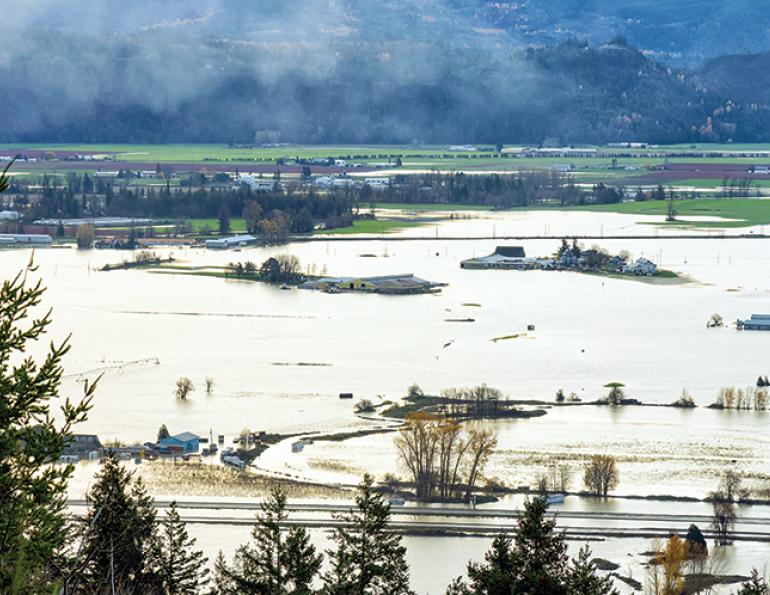
In southwestern British Columbia, damage and destruction continue to mount as a result of the “atmospheric river” event that brought torrential rain from November 13 – 15 before subsiding on November 16. The heavy rain caused river levels to rise and flood warnings were issued in many areas ahead of widespread flooding and several mudslides that left thousands of people stranded or cut off from essential services. As of noon on November 17, there were 54 evacuation orders and alerts in place in BC due to floods or landslides.

horse grooming, show jumper Brian Morton, equine industry heroes, equine grooming

Top notch grooms are crucial to the success of upper level riders, doing everything from providing day-to-day care for hundred thousand dollar horse-flesh, to ensuring riders are on time for their horse show classes. Rarely in the limelight, grooms are the essential but unsung heroes of horse sport - the behind-the-scenes pit crew that make the magic happen for well-known riders.

prevent colic horse, equine colic in winter, is horse getting enough water, national code of practice equines, equine guelph colic risk rater

Nothing can drain the colour from a horse owner’s face quicker than hearing the word COLIC! Winter is an important season to focus on colic prevention and ward off water woes that can lead to impaction in the equine gut.

how to play with my horse, alexa linton on horse play, mindfulness activities with horses, fun equine activities, how to reduce my horse's stress, alexa linton equine sports therapist

The mammalian nervous system is an incredible thing, with its complex functionality, and all the ways it regulates our systems, adapts to change, restores itself, and even mirrors the nervous systems of those around us. If any year was going to introduce us to the limits and resourcefulness of our unique nervous system, 2020 would be it. In this one year, every one of us has found out exactly how we cope with global uncertainty, massive change, potential scarcity of resources, and possible threats to the health of ourselves and our family and friends. Our nervous system is an integral part of how we cope with stress and change, working behind the scenes to recalibrate, reorganize and bring us into new ways of being in a healthy or not-so-healthy state.

injuries equestrian, dangers of riding horses, equestrian-related trauma, bmj journals, trauma surgery and acute care open

The risk of injury is severely under-appreciated say US researchers.- A recent study has found that the risk of an injury requiring hospital admission is higher for horse riding than for other potentially risky sporting activities such as football, motor racing, or skiing.

equestrian sport psychology, horse rider psychology, annika mcgivern, better horse riding skills, equestrian psychologist, counselling for horse people

Integrating sport psychology training into our daily lives - Ten years ago, I was moving up a level in three-day eventing and fell off during cross-country at my first two events. They were simple falls and luckily neither I nor my horse were injured, yet something still felt seriously wrong. After my second fall, I struggled to see a distance to even the simplest cross-pole. My confidence plummeted and my horse started stopping. I felt as if I had forgotten how to ride overnight and the frustration and embarrassment were completely overwhelming. I am forever grateful that it occurred to me to reach out to a sport psychology coach for help because, after several sessions I finally understood what was happening and felt equipped to solve the problem. It was an “aha” moment for me because it opened my eyes to a whole new side of competitive sport that I had not been considering: the mental game.

Pages