Natural Horsemanship

horse riding in extreme cold wewinter horse riding, cold weather riding, cowboy winter riding, riding in extreme cold, horse care in winter, equestrian winter conditions, riding horses in cold weather, winter horsemanship, cowboy life, working horses in winter

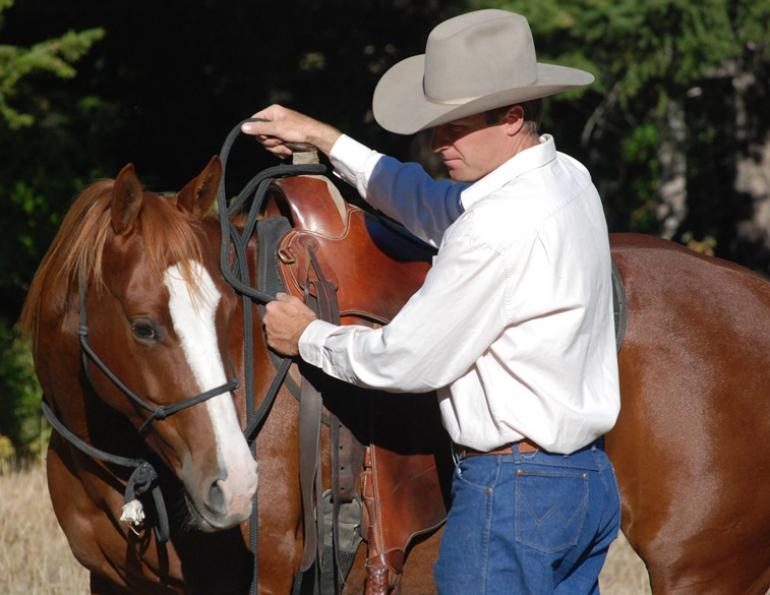
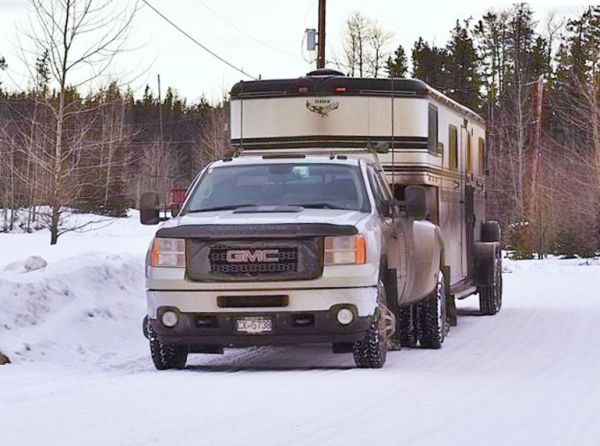
In my younger, tougher years, I was content to ride through almost any weather conditions. Riding was not just something I enjoyed; it was how I earned my living, and that sense of responsibility often outweighed comfort. Looking back, obligation frequently replaced enjoyment. As the years have passed, however, I have become much more of a fair-weather rider — or, at the very least, someone who no longer seeks out extreme conditions.

lindsay grice horse coach, horse needs a lot of leg, using the whip with a horse, using spurs horse, how much pressure should I apply horse

Who doesn’t love a horse with a laid-back disposition, the unflappable sort, unfazed by snow skidding off the arena roof? The downside of that laid-back horse is that he’s liable to be laid-back about his rider’s aids, too.

will clinging, horse training, horse behaviour, equine behaviour, horse psychology, equine psychology, horse journal, canadian horse, horse canada, horse sport, western horse, english horse, horsemanship

The timeline for training a horse varies widely—both between individual horses and the people working with them. In my experience as a trainer, I firmly believe that slowing down the process actually accelerates learning. Horses not only absorb information more efficiently, but they also gain confidence in the process. Confidence, or lack thereof, plays a major role in how steadily a horse progresses through training.

how do i canter my horse, preparing a horse to canter, ways to canter, jec ballou horse training, types of equine gaits, benefits of cantering horse

When it comes to cantering, riders seem to divide in two camps. In one camp are those who favour it above all else, while the other camp includes those who find it scary or unpleasant. I would like to add a third camp: riders who understand the unparalleled physiological benefits of cantering their horses. Beyond the obvious cardiovascular conditioning, cantering can improve muscle tone, symmetry, and flexibility more than other gaits. Let me explain this further, in addition to offering some tips and guidelines.

exercises for horses, jec ballou riding exercises, training horses with poles, pole exrcises horses

One pole? There is still plenty to do - Simple exercises can sometimes be the most effective because riders are apt to practice them more consistently. And when it comes to movement and fitness, consistency matters above all. I often use the following single pole exercises in clinics because they offer an easy way to derive the postural benefits of pole work without the logistics and effort involved in setting up more complex routines. When you are short on time or dealing with poor weather, these exercises offer a convenient way of ensuring you do not miss the calisthenics your horse needs.

overcoming horse tension, equine stiffness, equine tension, will clinging

Tension can interfere with nearly every aspect of a horse’s performance and learning. Some horses become so tight and rigid that they physically cannot perform certain movements, which often triggers frustration or anxiety — both of which only increase the level of tension.

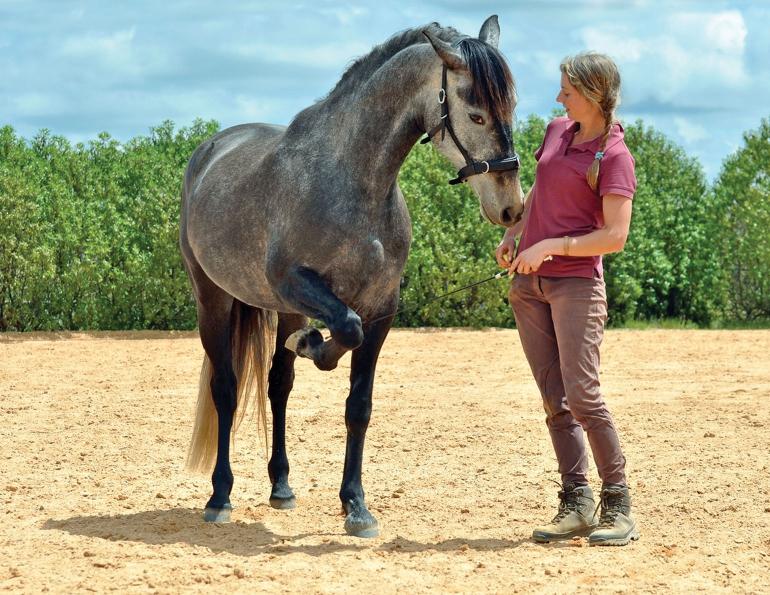
winter horse, riding in winter, training in winter, conditioning horse, keep horse fit winter, horse stretches, carrot stretch

Time off is an inevitable part of a horse's life, whether due to bad weather, personal schedules, or other factors. However, how horse owners manage these breaks can significantly affect their horse’s health, soundness, and performance over time. Research by veterinary colleges and experts on movement science reveals that large fluctuations in fitness can harm a horse’s well-being, especially for those beyond the middle of their teens. Extended periods of low activity—especially those spanning a month or more-can weaken supportive tissues and muscles crucial to posture. When training resumes, horses may use improper substitutive muscles and positions, leading to poor performance, injury, or a lack of training progress. To help you optimize downtime and keep your horse on track, here are three essential guidelines to coordinate breaks effectively and even use them to enhance your horse's training.

Lindsay Grice, how to enjoy fall winter with Your Horse, meeting your equine goals, explore alternate activities with your horse, horse training, bonding with your horse, winter horse riding, autumn horse riding

Fall fairs, circuit championships, and club awards banquets signal the end of another horse show season. So how did it go? Did your shows, rodeos, or competitive trail rides meet your expectations? For the majority of horse owners, the answer to this question will likely be no. Stuff happens. And so we look toward the next year. But with chilly fall and winter weather looming, we all need some goals to motivate us to get off the couch and out to the arena on those cold nights!

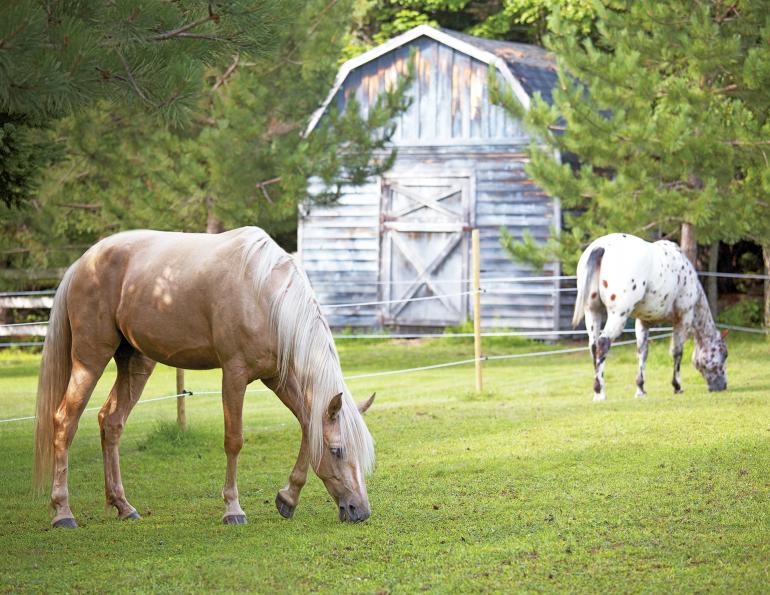
track systems for horses, alexa linton, horse barn layouts, horsekeeping methods, how to organize horse paddocks, natural grazing horses

Fifteen years ago, a friend asked if I’d house- and horse-sit for her at her farm in the Cowichan Valley. The property featured open turnout, natural forage, and the companionship of other horses. I accepted, unsure how it would affect my mare, Diva—who had been struggling. But the results were immediate and profound. We never left. Years later, we still live in the Cowichan Valley, and Diva continues to thrive.

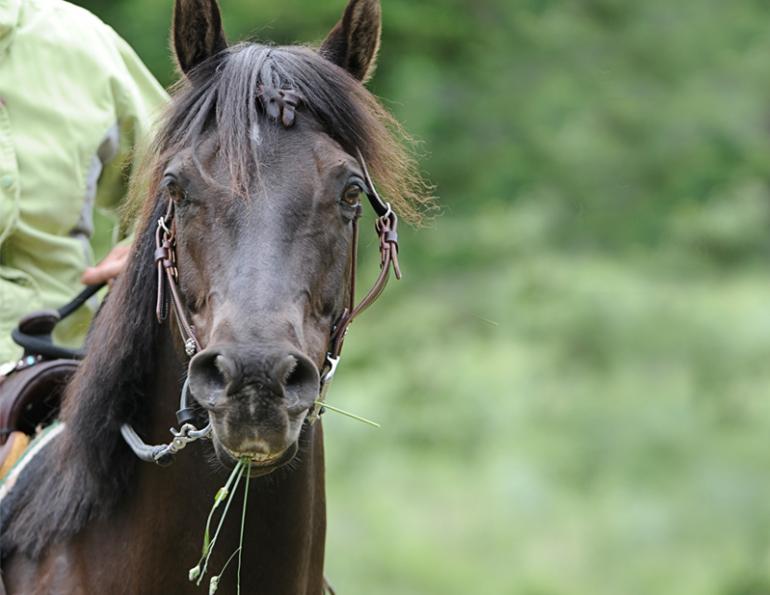
horse bits, contact with horse, dull mouth horse, bit evasion, how to get a light mouthed horse, lindsay grice

Not long ago, I toured a Western art museum and found myself absorbed in the works of Russell and Remington. Their paintings, alive with movement, depicted the unforgiving life of the cowboy — scenes filled with dust, tension, and the raw energy of untamed horses. These animals, used for transport and survival, stood in stark contrast to the roles horses now occupy in our world — companions in leisure, competitors in sport, and trusted partners in training. But one detail in every piece caught my attention and left me uneasy: riders with rigid hands pulling back, and horses resisting, mouths wide in distress.

Pages