Other

backcountry horse riding Canada, equine first aid Canada, wilderness horse safety, trail riding risks, horse riding preparation, Canadian outdoor riding tips, equine emergency preparedness, backcountry safety horses, horseback riding mountains Canada, wilderness survival horse riding

Over the years I’ve spent working in the backcountry, one thing has consistently stood out: how often people head out with the mindset, “It’s just a short trip—I don’t need much.” My background spans time in the infantry, earning a Bachelor of Applied Ecotourism and Outdoor Leadership from Mount Royal University in Calgary, working as a professional adventure guide, and teaching Wilderness and Remote First Aid and survival skills. Alongside that, I’ve spent years as a horseman and now instruct Equine First Aid. Through all of this, I’ve witnessed significant changes in how people approach the backcountry.

noseband tightness horses, equine welfare research, horse stride length study, riding tack pressure, horse biomechanics, equine performance Canada, horse training welfare, ISES noseband guidelines

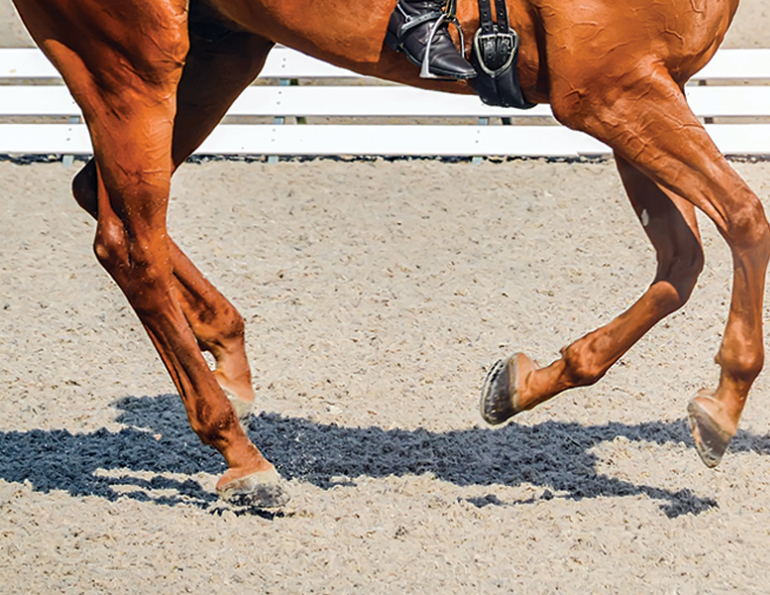
A recent study confirms that tightening a horse’s noseband may do more than change appearance or control the mouth — it may also affect the horse’s movement.

spring conditioning horse, spring horse exercises, prepping your horse for show, exercising horse, jec ballou, equine groundwork, horse, dressage horse exercises, jumper horse exercises, western horse exercises, hunter horse exercises

Where Should You Start? By Jec A. Ballou. When spring finally arrives, the sunny riding season ahead can greet riders with both excitement and anxiety. Where do I start, you might wonder as you calculate how unfit your horse has become from a winter of being off work. How long will it take to ease him back to fitness? What sorts of exercises and timelines should I use? In this article, I’ll answer these questions plus offer a simple schedule in addition to some rules you never want to break.

Jonathan Field pushy horse, how do i control my horse, how do i stop bad horse behaviour, horse to behave, hold and wait horse, horse yield

You are who your friends are. That adage can apply to horses, too. How we treat them will often be reflected right back at us - for good or bad. Sometimes the difference between a harsh cue and an appropriate one can be subtle. Pressure can be effective, but intensity and timing can make all the difference.

how do i canter my horse, preparing a horse to canter, ways to canter, jec ballou horse training, types of equine gaits, benefits of cantering horse

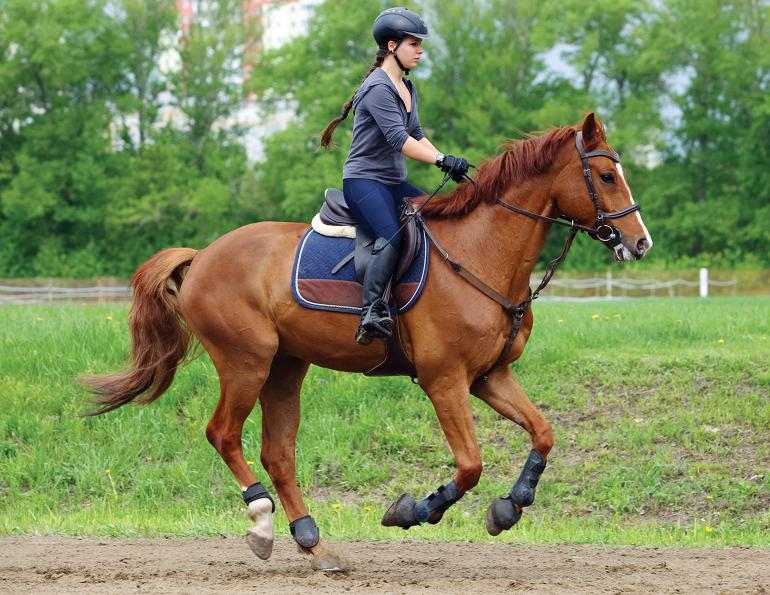
When it comes to cantering, riders seem to divide in two camps. In one camp are those who favour it above all else, while the other camp includes those who find it scary or unpleasant. I would like to add a third camp: riders who understand the unparalleled physiological benefits of cantering their horses. Beyond the obvious cardiovascular conditioning, cantering can improve muscle tone, symmetry, and flexibility more than other gaits. Let me explain this further, in addition to offering some tips and guidelines.

Develop Your Horse’s Topline, protein in horse feed for performance amino acids horses otter co-op feed, athletic horse feed

Topline is the term used to describe the muscle coverage over the top of the horse’s neck, withers, back, loin, and croup. Because topline is muscle, a horse with a good topline will be stronger and more athletic, and will present a more pleasing appearance. What should we feed to develop the perfect topline? First we must understand that the shape of the back can vary greatly from one individual to another, and so the topline will vary in length and in curvature, with some relationship between the two. Horses with toplines that are sunken in over their withers, concave along the back and loin, or dished in around their hip bones and hindquarters will have diminished strength in those areas.

cavaletti walk, cavaletti canter, cavaletti trot, jec aristotle ballou, cavalletti exercises, horse cavalletti, training a horse, horse gait, equine gait, equine conditioning a horse

Your horse's three primary gaits-walk, trot, and canter-each provide distinct advantages for conditioning aimed at enhancing performance. When utilized effectively, these gaits can achieve outcomes that might otherwise be overlooked. Ideally, training sessions should incorporate equal time spent in each of the three primary gaits to promote both flexibility and strength. However, specific conditioning phases may require an emphasis on one gait over the others. This article will explore how each gait benefits the equine athlete, particularly in relation to back usage, and will highlight the role of cavalletti routines in training.

exercises for horses, jec ballou riding exercises, training horses with poles, pole exrcises horses

One pole? There is still plenty to do - Simple exercises can sometimes be the most effective because riders are apt to practice them more consistently. And when it comes to movement and fitness, consistency matters above all. I often use the following single pole exercises in clinics because they offer an easy way to derive the postural benefits of pole work without the logistics and effort involved in setting up more complex routines. When you are short on time or dealing with poor weather, these exercises offer a convenient way of ensuring you do not miss the calisthenics your horse needs.

spurs for western riding, spurs for english riding, are spurs ethical on horses, jec ballou horse riding, how to use spurs on horses, history of horse spurs, riding training aids

Most riders who “earn” their spurs can recount at least a few stories about their potential harm or have known horses with ribcage scars and damage from overuse. Whether spurs are inherently good or bad, however, depends on numerous factors including an understanding of their respective role in different disciplines.

winter horse, riding in winter, training in winter, conditioning horse, keep horse fit winter, horse stretches, carrot stretch

Time off is an inevitable part of a horse's life, whether due to bad weather, personal schedules, or other factors. However, how horse owners manage these breaks can significantly affect their horse’s health, soundness, and performance over time. Research by veterinary colleges and experts on movement science reveals that large fluctuations in fitness can harm a horse’s well-being, especially for those beyond the middle of their teens. Extended periods of low activity—especially those spanning a month or more-can weaken supportive tissues and muscles crucial to posture. When training resumes, horses may use improper substitutive muscles and positions, leading to poor performance, injury, or a lack of training progress. To help you optimize downtime and keep your horse on track, here are three essential guidelines to coordinate breaks effectively and even use them to enhance your horse's training.

Pages