


The Hidden Stress of Moving Horses
Updated:
June 11, 2026Keys to a Successful Move
By Li Robbins
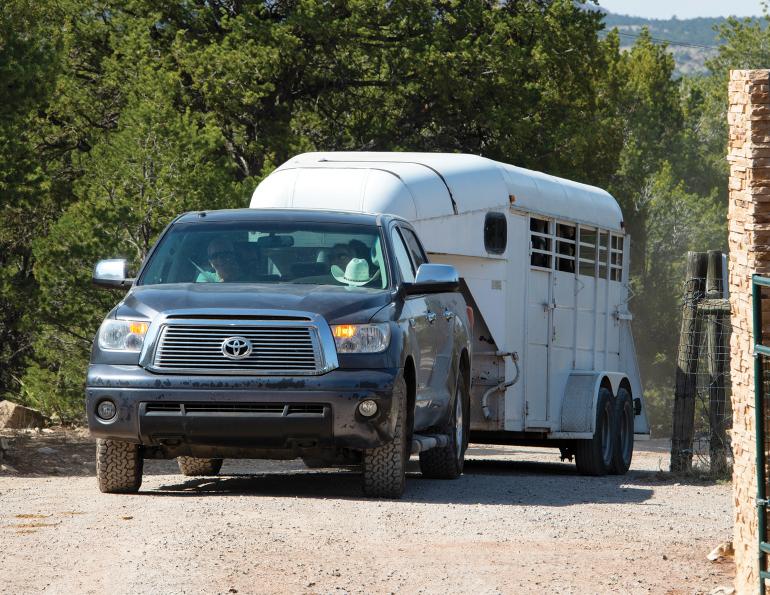
When it comes to stressors, moving house is right up there with other major life changes. For horses, moving to a new home may be just as stressful, if not more so. After all, a horse has no context for the move and no advance warning. One day she may be grazing with friends, and the next she’s expected to live with strangers.
Trainer Gaylene Diedericks, one of the horsewomen behind The Whole Horse Journey, has written extensively about the impact of moving a horse. She notes that people often underestimate just how big a deal a move can be — not just physically, but emotionally, socially, and neurologically.
“A move is not just a change of location,” says Diedericks. “It’s a complete disruption of everything that feels familiar and safe to them.”
Horses are very sensitive to things like routine, herd dynamics, and their environment, says Diedericks, so a move means having to “rebuild their sense of safety from the ground up.” It’s not just the fact of suddenly living in a strange place; it’s also about navigating new social hierarchies, different human management styles, and altered daily routines.
Making the Decision
Deciding to move a horse may not come down to choice. You may have to relocate for a new job, or your current boarding barn will be closing. Often though, people choose to move horses for reasons that could be considered optional. Maybe you want a shorter drive to the barn, or better access to trails, or to ride with people pursuing a similar discipline. It can be challenging to balance equine and human needs, but in Diedericks’ view it’s crucial to put the horse first and to focus on “emotional safety, social stability, and the quality of the environment.” After all, if your horse is unhappy, you will be, too.
There are practical considerations when looking at a prospective new facility, whether that means choosing a place with an indoor arena (if you train through winter in snowy Canada) or for improved safety features, such as fencing. It’s crucial to consider the herd setup (e.g., mares or geldings only or mixed) and evaluate how that will work for your horse. Additionally, the amount of pasture space, turnout time for indoor horses, and feeding practices are all important questions. A less tangible but essential consideration is to spend enough time at the new place to get a real sense of the vibe.
Related: The Road to Recovery in Horses: A Holistic Approach to Healing
“Is it calm, consistent, and predictable,” asks Diedericks. “Or is it chaotic and high pressure? I also consider how horses are handled and understood by the people managing them. Are they in alignment with my values? This is crucial to me as a conscious horse owner.”
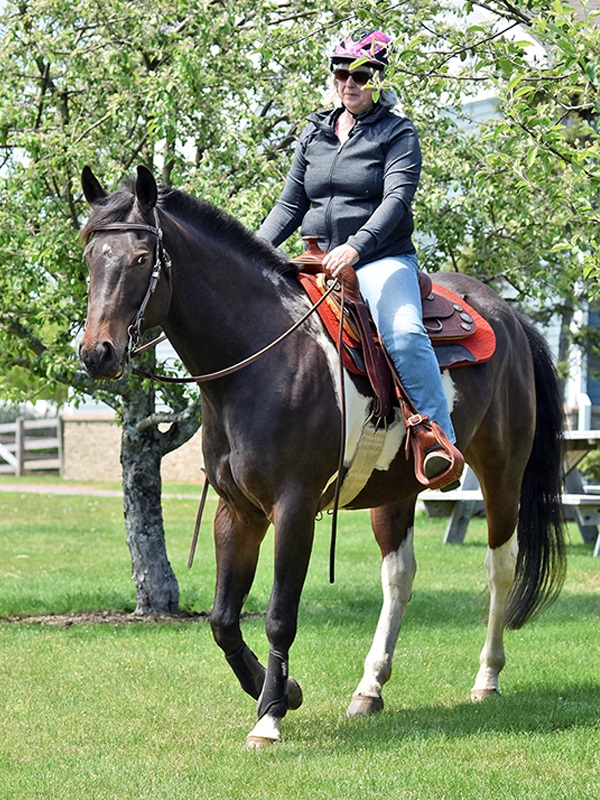
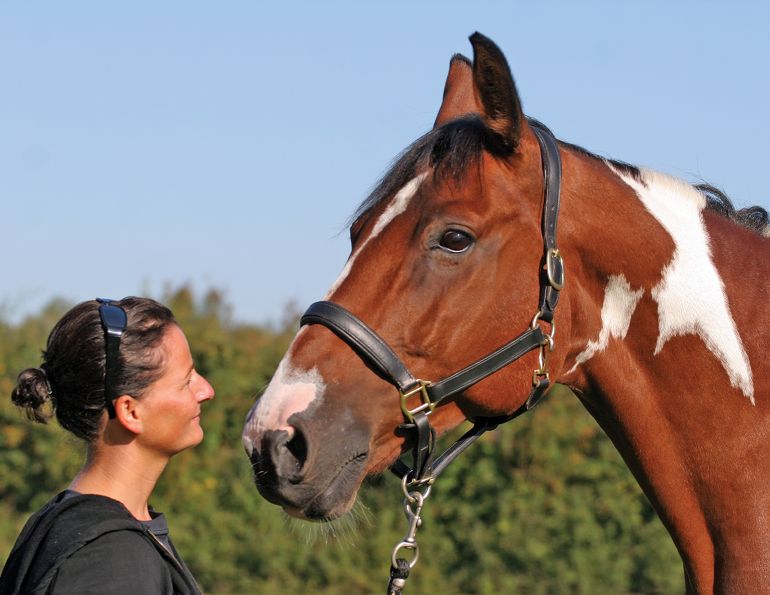
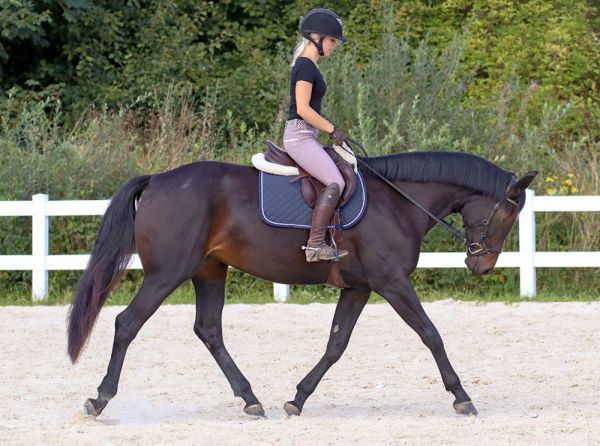
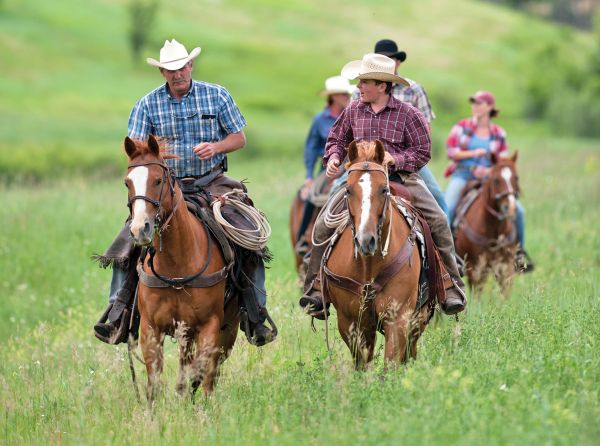
Some horses do better in a new home with familiar activities such as riding, while others need more time to adjust to the new environment. Photo: Pam Mackenzie
New Home Syndrome
Horse trainer and coach Shelley Appleton coined the term “New Home Syndrome” in an attempt to raise awareness of the impact that moving a horse can have. To better understand New Home Syndrome, she suggested thinking about how you feel when you get home after a busy day. A comfortable, familiar home helps people to relax and feel safe. It does this for horses, too.
A horse experiencing New Home Syndrome, on the other hand, may be unsettled, anxious, and present challenging behaviour, wrote Appleton in a blog post. Given that, it’s helpful (and respectful of what the horse is going through) to remember that for a horse, a new situation may be scary in a way that isn’t scary at all for a human. Horses don’t generalise their experiences the way people do — after all, even in a familiar home small changes can seem new and startling to a horse. To get through New Home Syndrome a horse needs to trust their environment and the humans and horses within it.
“With strategic and understanding approaches, this may take weeks, and their nervous systems will start downgrading their high alert status,” wrote Appleton. “However, for some horses, it can take a couple of years to fully feel at ease in their new home.”
How You Can Help
Thankfully, it may be possible to mitigate some of the moving stress. A consultation with the horse’s veterinarian, for example, can help you to strategize in advance about potential moving-related health concerns, such as stress-triggered ulcers. A plan to gradually acclimatize the horse to their new home, including incremental feeding changes, can also help smooth the transition. Familiar comforts, such as grooming routines, customary treats, etc. may also be a part of achieving that goal. Probably the biggest support a human can give a horse after a move is summed up in one word: time.
Some believe that it’s best for horses that live outside to have as little human involvement as possible in the early weeks in a new herd. Gaylene Diedericks thinks it’s a good idea to have “minimal expectations” of horses in that situation, but it doesn’t have to mean a complete lack of interaction. A “quiet, low-pressure presence” from a horse’s person may be helpful for a horse whose nervous system needs to settle. If you’re the only known quantity for your horse in their new home, it’s possible you can provide a certain amount of comfort and calm.
Related: Simple Ways to Enrich Your Horse’s Life Through Curiosity, Connection, and Choice
Herd Life
For horses accustomed to living outside in a herd 24/7, a move can really turn a horse’s sense of safety upside down. The loss of familiar equine friends may hit hard. If you’ve ever moved an entire herd at one time, you may notice that the horses settle more easily than when moved as individuals, which suggests just how significant life in a herd can be when it comes to providing a sense of security.
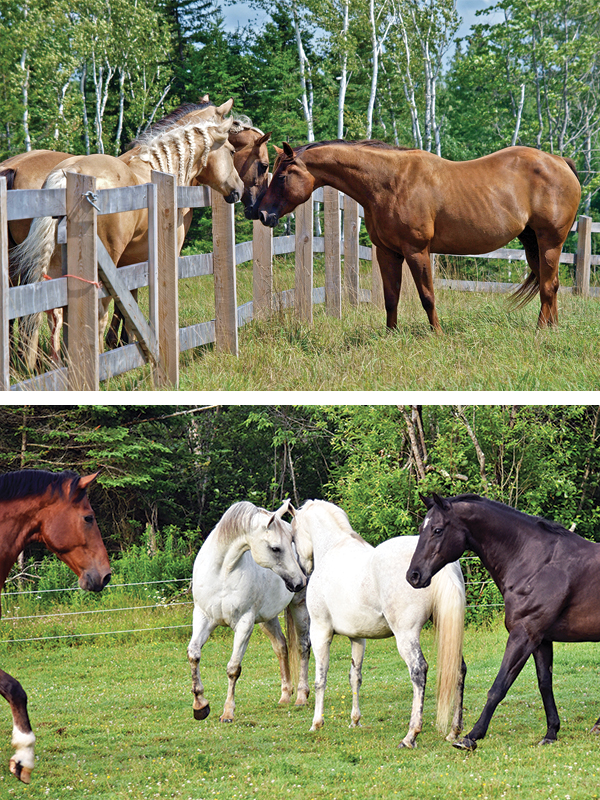
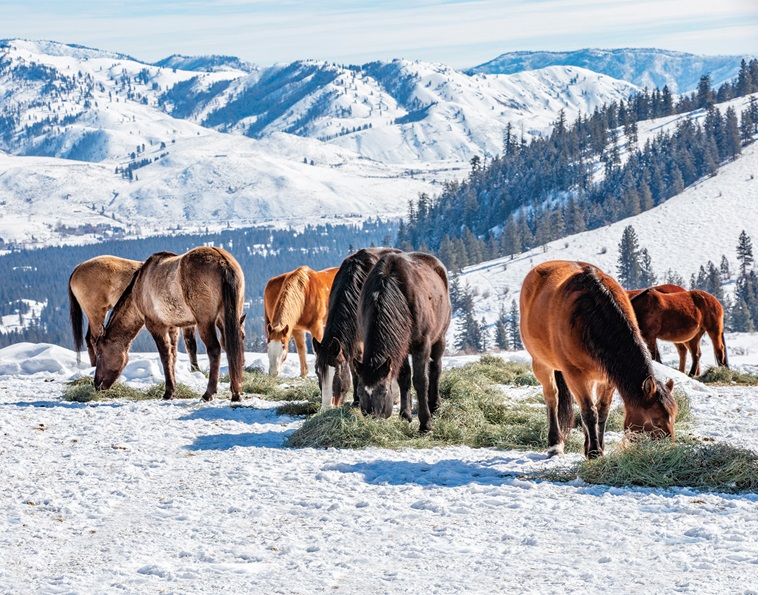
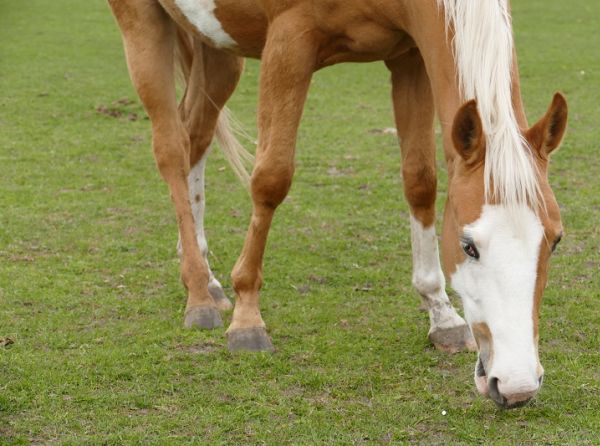
When considering the move, think about your horse’s sense of security in the new home. Ask about turnout time, pasture space, feeding practices, and the makeup of the herd (whether mares, geldings, or mixed). Find out how new horses are integrated into the resident herd. Some barns prefer the gradual approach of introducing horses across a safe fenceline, while others simply turn the new horse in with the others and hope for the best. Photos: Pam Mackenzie
Diedericks says one of the biggest mistakes people make when planning a move is to not fully consider those equine bonds, pointing out that horses “form meaningful attachments, and removing them from their herd or placing them into an unstable or incompatible group can be very dysregulating.”
There is no one universally accepted approach to integrating a horse into a new herd. There are those who choose to do it gradually, for instance by pasturing the incoming horse across the fenceline for a while. Gradual approaches may not always be possible though, and plenty of places simply turn the new horse out with the others. It’s nerve-wracking as the herd checks out the newbie in what can sometimes turn into a kind of hazing process. It’s impossible to know how long it will take for the herd to accept the newcomer and for the new horse to feel at home. As one online commenter said in response to the “how long” question: “How long is a piece of string?” In general, though, the horses work it out.
When to Ride
Some horses settle into their new homes more quickly than others, depending on their personality and life experience, and there are plenty of people who believe that riding “right off the trailer” is just fine, seeing no difference between that and taking a horse to a competition. There are also many people who disagree. A show is a temporary situation; after a move, you don’t get to go home.
World Horse Welfare, the UK’s largest equine rescue and rehoming organization, has a useful online guide called Settling Your New Horse Into Their Home (despite the name, it’s aimed at both people with new horses and long-time owners). It suggests taking your cue from the horse, noting that there are horses who thrive on the “familiarity of being worked and establishing that routine early on,” while others may need significant downtime. It reads: “This is a period with lots of change and each horse will respond differently based on their previous experiences, how well socialised they’ve been, and the coping mechanisms they have developed when faced with stressful situations.”
The guide also provides information on many aspects of transitioning horses to new homes, including the change from indoor to outdoor board and vice versa. It also underscores what could be seen as the golden rule of relocating a horse: “Time is your biggest asset when it comes to settling a horse into a new environment.”
Related: Safely Transport Your Horse
Diedericks concurs, saying it’s a mistake to simply expect the horse to “carry on as normal” immediately following a move, and adds that for the horse there can be a cumulative effect of multiple changes happening at once.
“A new environment, new herd, new handling, and new routine each require adjustment. When combined, it can be overwhelming. Giving the horse time to decompress, observe, and gradually integrate is often the missing piece. Without that, stress responses can easily be misinterpreted as behavioural issues rather than being recognised as a horse trying to cope.”
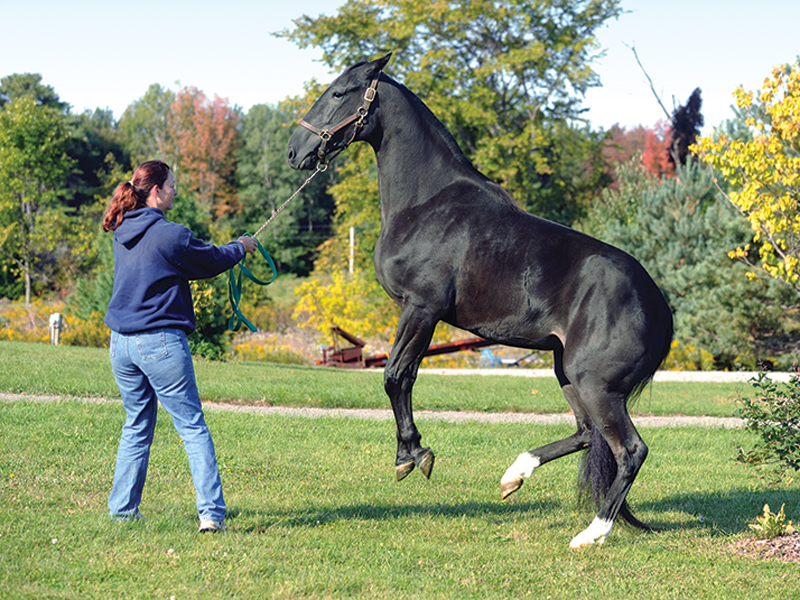
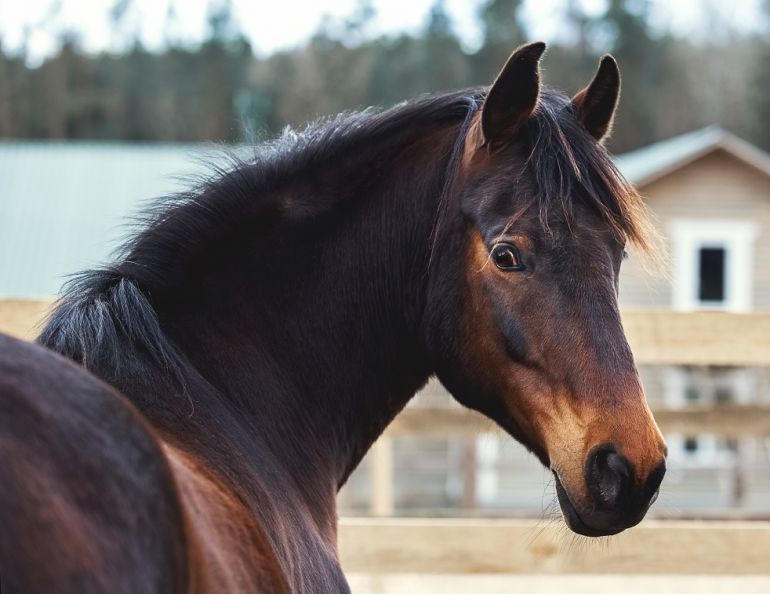
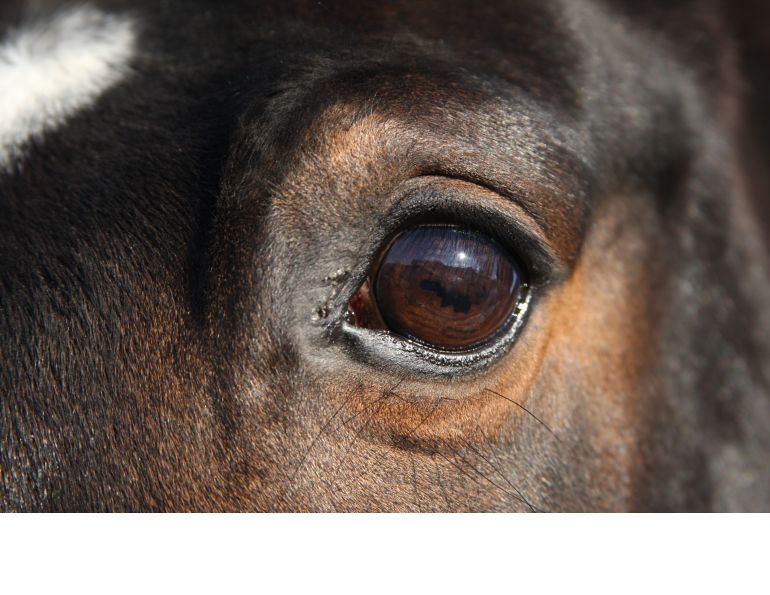
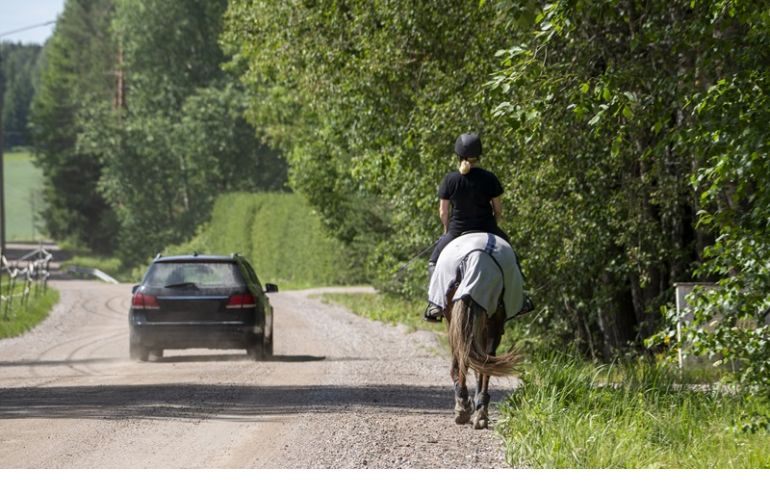
In a new environment with a new routine and new handlers, the horse’s stress responses can be misinterpreted as behaviour issues. Photo: Clix Photography
When a Move Doesn’t Work Out
Unfortunately, not every horse will settle in following a move, no matter how much time is given or how many adjustments are made to accommodate the horse’s needs. When that happens the horse’s owner must face a new difficult decision — should the horse be moved again? Obviously, moving repeatedly is not something anyone wants to do, but there may come a time when a second move is necessary. Diedericks experienced this firsthand with one of her horses when it became clear that the herd situation at the new home was not a good fit for that horse.
“Sometimes it’s not about trying harder but recognising that the situation is not meeting their needs,” says Diedericks. “In that instance, I had to weigh up the impact of another move against the ongoing stress of staying where he was. While moving again is not ideal, prolonged stress has far deeper consequences for a horse’s well-being.”
Fortunately, this particular move-gone-wrong story has a happy ending, since after the second move her horse settled in well. “Sometimes the most responsible decision is being willing to change course when something is not working, even if it is inconvenient,” says Diedericks. “The horse’s long-term well-being has to come first.”
Related: Rethinking Horse Paddocks: A Natural Setup Changes Everything
Related: Safe and Sensible Equine Herd Integration
Related: Podcast - Healthy and Safe Integration of Horses Into Herds
Main Photo: Clix Photography

Blogs & Podcasts
Advertisement

Related Articles
Advertisement

Featured Stories



Advertisement