Management & Maintenance

climate change horse industry, prepare horse farm for climate change, heat dome horses, rescuing horses disaster, hay shortages, colic horses

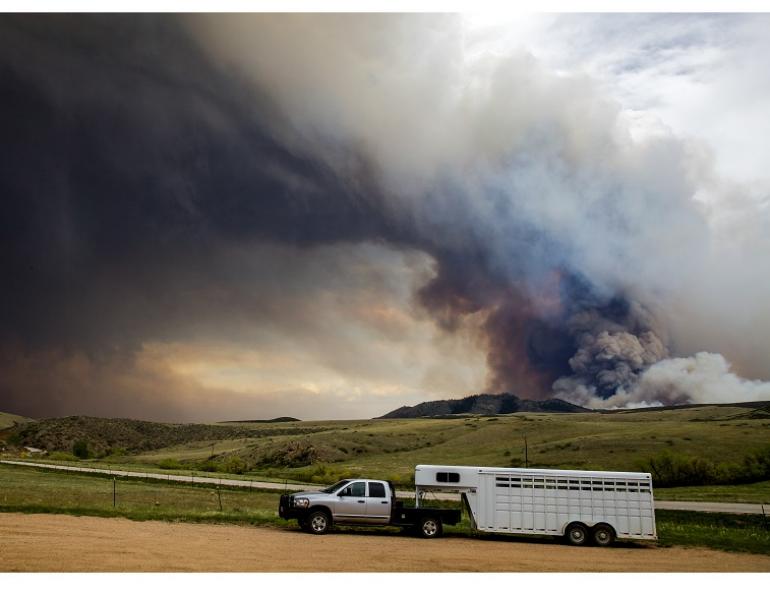
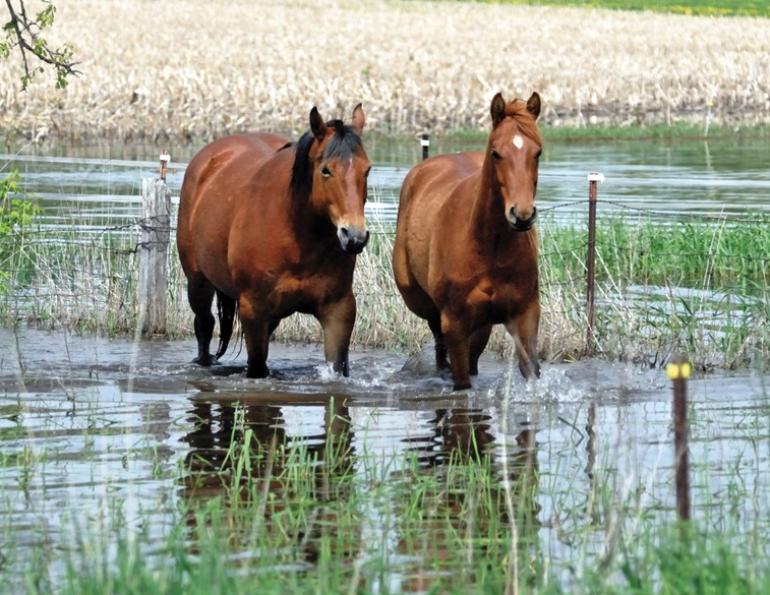
Climate change is increasingly affecting horses, horse properties, and their owners across Canada. In recent surveys, nearly 90 percent of Canadians reported noticing the impacts of climate change in their communities. Horses are facing rising health risks, including respiratory diseases from wildfire smoke and dust, skin conditions and hoof damage caused by unpredictable weather, and new parasites and diseases. Horse owners are also dealing with higher hay costs, unexpected veterinary expenses, and challenges related to weather disruptions, such as riding limitations. Meanwhile, owners of horse properties are working to repair damage from severe storms, flooding, droughts, and high winds.

running a horse barn, owning a horse farm, boarding horses, how to board horses, renting riding ring

Horse business owners everywhere know how difficult it is to make money in the horse world. Every equine industry entrepreneur strives to figure out how to build a better and more resilient enterprise that will generate a reliable revenue stream and provide an enjoyable equestrian lifestyle.

family farms, how to run a family farm, horse farms, how to manage farm and family life, canadian farms, horse farms canada, managing farm and children, tania millen

Running a family farm or ranch can be both demanding and rewarding. For these three Canadian families, the challenges of farm life are balanced by the many benefits of working together as a family.

carbon footprint horses, greenhouse gasses horses, international society for equitation science conference march 2024

The Hidden Carbon Cost of Equestrian Events Revealed - At the 19th International Society for Equitation Science Conference in March 2024, which took place in Cambridge, New Zealand, Iris Huisman from Wageningen University in the Netherlands presented research on the significant environmental impacts of sport horses, focusing on greenhouse gas emissions and their lifecycle footprint.

karen L. Weslowski, equine waivers, equine liability agreements, Unambiguous Waiver Risk Hazard,

A key risk management tool used to transfer responsibility for injuries from one party to another through written agreement is called a Wavier of Liability (or “waiver”). These are frequently used in high-risk activities such as when riding horses. While frequently utilized in the equine industry, waivers are commonly signed without a clear understanding of their legal purpose or the necessary conditions for them to be enforceable.

running a horse barn, hiring horse people, keeping an equestrian facility, managing horse boarders, taking care of horses, nikki alvin smith

Whether you run a large horse business or a small private barn, finding good employees to help with the daily duties of horse care, training, and lessons is usually a difficult task. Some horse owners freely admit that their “horse resources” acumen is better than their “human resources” insight. In reality, good management of both takes similar talent and is easier to achieve than you might think. Here are some tips to help you along the way.

horse fencing, equine fencing, ferris fencing, system fencing, gardner fence, cf fence, electric fencing, vinyl fencing, wire fencing, build horse fence

Consumers have access to more quality fencing options for their horses than ever before. While it’s crucial to consult a fencing expert, it’s also beneficial to identify your basic requirements and have a design concept in mind. Creating a checklist with guiding questions can help kick off the project:

how to store horse hay, how to test horse hay, amino acids in horse hay, steam horse hay, hay fire, is brown horse hay okay

Hay is the bulk of the horse’s diet. Recognizing and purchasing good quality hay that’s of high nutritive value is of the utmost importance to horse owners. Test your knowledge of hay with the following quiz.

toxious plants horses, yew plant horses, poisonous plants horses

Grass clippings and yard waste trimmings can be toxic. As horse owners, we spend a lot of time and effort making sure our horses are healthy and well cared for. However, a simple mistake by a family member or neighbour could be disastrous.

biosecurity horse farm, preventing disease spread horse stable, managing equine property, farm and ranch biosecurity, acera insurance

Across Canada, owners, riders, farms, and horses continue to struggle with strangles, equine influenza, and equine herpesvirus myeloencephalopathy. Not only can these diseases be detrimental to horses’ health, but managing ill horses can stretch finances, shut down commercial operations, and be an emotional roller coaster for those involved.

Pages