Management & Maintenance

Caring for horse pasture, Dr. Stephen Duren, mowing horse pasture, mowing lawn, horse paddock management, risks horses grazing mowed pasture, horse care, horses consuming molded grass, clipped forage choking hazard horses

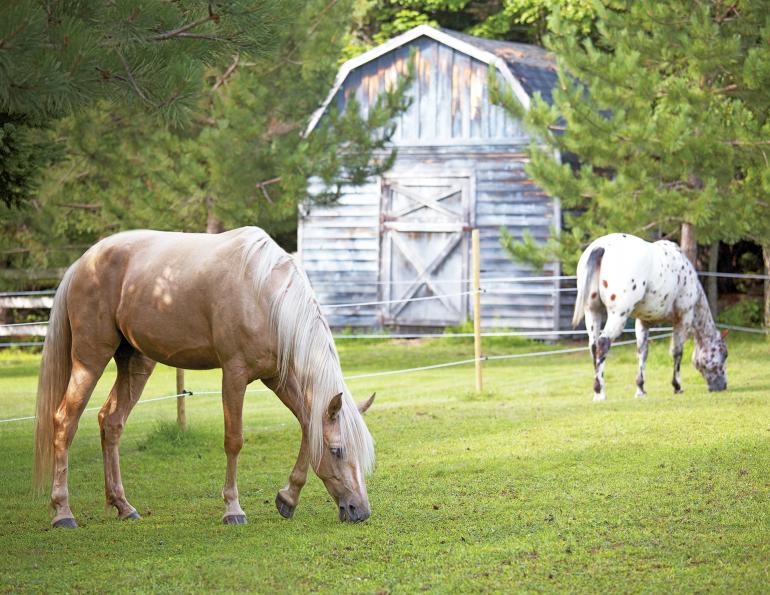
Mowing refers to the act of cutting grass to a consistent height, whether in a pasture or lawn setting. For horse owners managing grazing areas, it’s common to wonder:

stable boarding contract, boarding agreement, horse board agreement, horse board contract, boarding a horse, written boarding agreement, Livestock Lien Act, horse owner not paying

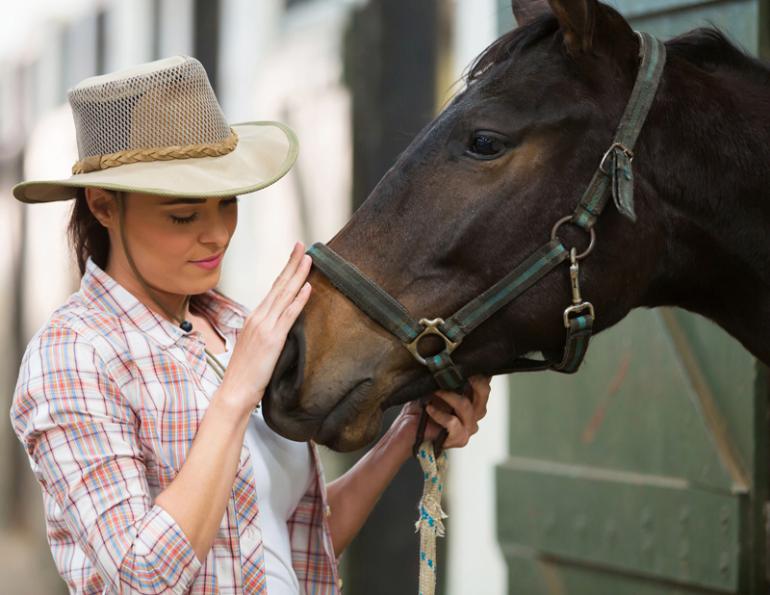
Horse boarding arrangements may cause tension for both equine owners and barn operators. Owners want peace of mind that their horses are properly cared for, while barn owners need to assure board is paid and facilities are treated with respect. To help keep things running smoothly, it’s wise to keep the following in mind.

wildfire prepared, flood prepared, earthquake prepared, Fort McMurray fire, emergency evacuation, natural disasters, emergency preparedness plan, returning home after natural disaster, horse ID, horse safety

Crisis-Ready Horsekeeping: Safety Plans for the Unexpected - Across Canada there is one thing horse owners have in common: We all want what is best for our horses. No matter what discipline we favour, whether we compete or ride just for fun, we all take steps to ensure that our horses are well looked after, happy and healthy. But what about when it comes to preparing for our worst nightmare? At the very least, most barns will have a first aid kit or two and maybe some fire extinguishers. But in the event of a natural disaster like an earthquake, fire, flood or tornado, do any of us have what it takes to make the best of the worst situation? While it’s uncomfortable to think about what would happen if we suffered at the wrath of Mother Nature, we aren’t doing ourselves or our horses any favours by ignoring the possibility of a natural or man-made disaster.

climate change horse industry, prepare horse farm for climate change, heat dome horses, rescuing horses disaster, hay shortages, colic horses

Climate change is increasingly affecting horses, horse properties, and their owners across Canada. In recent surveys, nearly 90 percent of Canadians reported noticing the impacts of climate change in their communities. Horses are facing rising health risks, including respiratory diseases from wildfire smoke and dust, skin conditions and hoof damage caused by unpredictable weather, and new parasites and diseases. Horse owners are also dealing with higher hay costs, unexpected veterinary expenses, and challenges related to weather disruptions, such as riding limitations. Meanwhile, owners of horse properties are working to repair damage from severe storms, flooding, droughts, and high winds.

Insurance Coverage for horse industry, natural disaster insurance coverage, Homeowners’ Insurance Policy, horse barn fire coverage, mitigate insurance risks

Of late, various regions of Canada have faced significant devastation due to natural disasters such as wildfires, ice storms, and floods. These catastrophic events have had a profound impact on the equine community, resulting in the destruction of stables, fences, feed resources, land, and even animals. In addition to the direct damage to property, many horse owners also face secondary losses, for instance income from their business due to property damage.

how to deal with horse farm mud, managing muddy horse farm, how to control manure management, managing horse manure

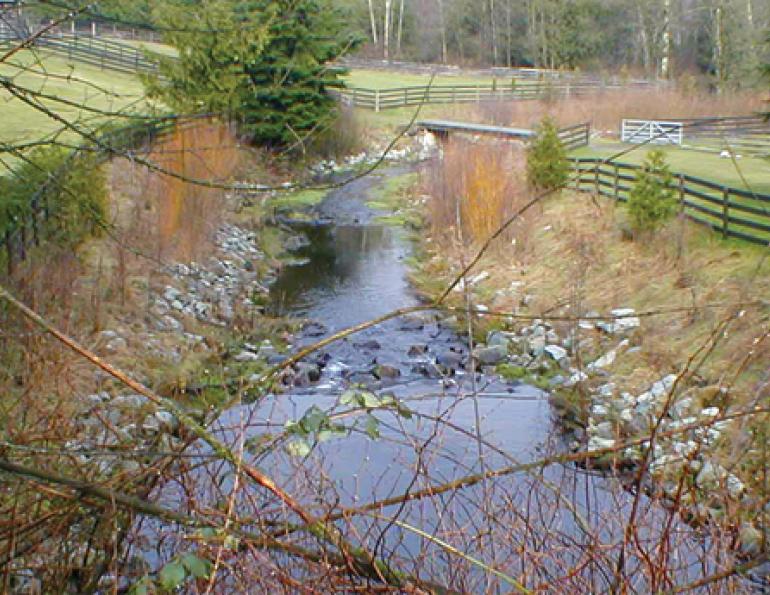
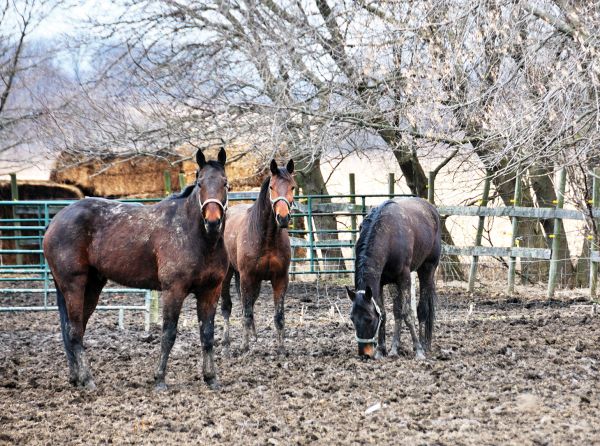
Is excess mud a challenge where you keep your horses? Some properties are naturally more prone to wet, messy conditions than others. Persistent moisture in the ground is the main cause, influenced heavily by the soil’s makeup and the lay of the land. After heavy rainfall or spring thaw, clay soil tends to hold water for long periods, while sandy soil drains faster. Low-lying areas are also problem spots, as runoff accumulates there and creates soggy, muddy patches.

running a horse barn, owning a horse farm, boarding horses, how to board horses, renting riding ring

Horse business owners everywhere know how difficult it is to make money in the horse world. Every equine industry entrepreneur strives to figure out how to build a better and more resilient enterprise that will generate a reliable revenue stream and provide an enjoyable equestrian lifestyle.

family farms, how to run a family farm, horse farms, how to manage farm and family life, canadian farms, horse farms canada, managing farm and children, tania millen

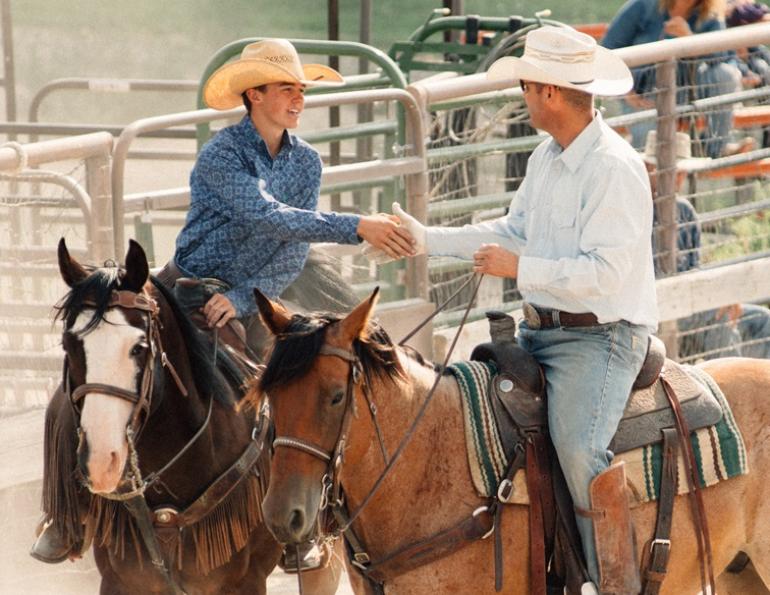
Running a family farm or ranch can be both demanding and rewarding. For these three Canadian families, the challenges of farm life are balanced by the many benefits of working together as a family.

karen weslowski, legal contracts buying a horse property in canada, what to know when buying a horse property in canada

For many, the idea of buying real estate is an enticing one, often conjuring images of a quaint home with a welcoming front patio and a classic white picket fence. For equestrians, however, the dream expands significantly. It's about vast green pastures, a barn that exudes luxury, secure fencing, and a space perfectly suited for horses.

equine respiratory ailments, horse barn air quality, horse care, horse barn drainage, horse barn ventilation, equine respiratory system, horse bedding

Minimizing the Risk of Respiratory Issues in Horses - Horses are inherently built to live outdoors. With protection from harsh weather, access to clean water, and good hay, many horses thrive without the need for stabling. However, this ideal scenario may not always be feasible for their owners.

Pages