Management & Maintenance

Horse Run-In Shed equine, horse shelter equine, horse property drainage

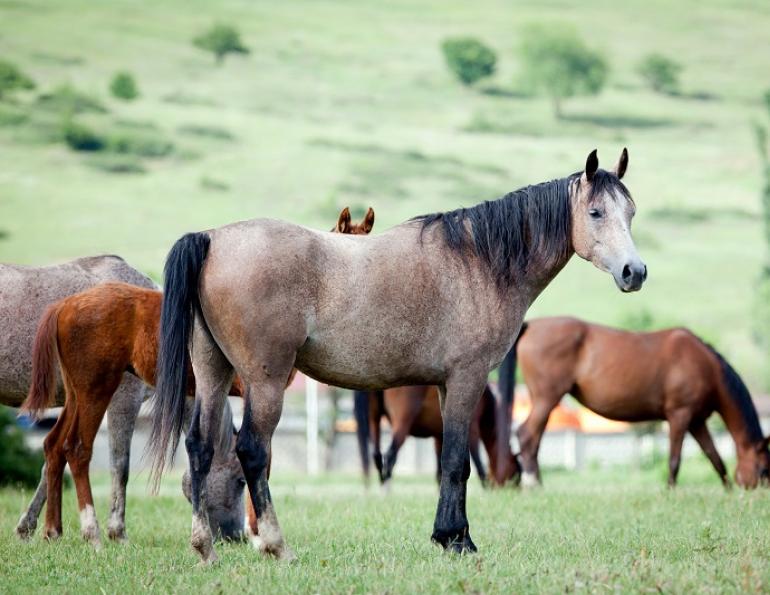
Among domestic animals, horses are some of the most naturally wide-ranging. They evolved as nomadic grazers, adapted to constant movement across varied landscapes and climates. Their instinctive response to any potential threat is still flight. Although domestication has shaped them to fit human needs, their fundamental nature remains largely unchanged.

what is the safest type of horse fencing? What is most functional type of horse fencing? different types of horse fencing, vinyl horse fencing, electric horse fencing, polywire horse fencing, tape horse fencing

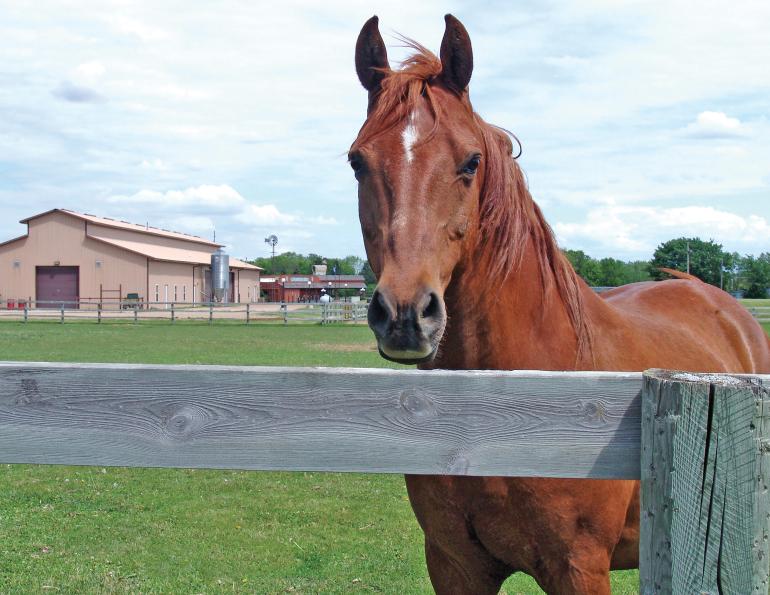
Fencing is an essential part of responsible horse ownership, providing both security and safety for your animals. Historically, choices were limited to wooden rails or barbed wire — options that are still in use across many parts of Canada today.

track systems for horses, alexa linton, horse barn layouts, horsekeeping methods, how to organize horse paddocks, natural grazing horses

Fifteen years ago, a friend asked if I’d house- and horse-sit for her at her farm in the Cowichan Valley. The property featured open turnout, natural forage, and the companionship of other horses. I accepted, unsure how it would affect my mare, Diva—who had been struggling. But the results were immediate and profound. We never left. Years later, we still live in the Cowichan Valley, and Diva continues to thrive.

crystalline sillica riding stable, dangers of riding arena dust, health hazards riding arena dust

Those who primarily work in riding arenas or round pens with sand footing, such as equestrian riding coaches, riding instructors, and horse trainers, are at an higher risk of respiratory issues.

penn state extension equine team, rotational grazing horses, managing horse pastures, sacrifice lot horse grazing

Rotational grazing can help you take better care of your pastures and provide more feed for your horses.

hazards horse farm, hazards equine farm, emergency plan horse farm, prevent barn firehazards horse farm, hazards equine farm, emergency plan horse farm, prevent barn fire, prevent horse injury

It often feels like horses are magnets for mishaps. Their injury-prone tendencies can be chalked up to natural instincts—such as their strong flight response, social dynamics within the herd, or simply their innate curiosity that leads them into trouble.

how to remove burrs from a horse's mane, burrs in horse's tail, first aid for burrs

Win the Battle of the Burrs - Discovering your horse with a mane and tail full of burrs can be frustrating — but it’s more than a cosmetic concern. Burrs can cause real discomfort, inflame the skin, and even damage the hair roots. If your horse resists grooming, chances are those pesky burrs clusters are already causing pain by tightening up and pulling the hair every which way. Here’s how to handle the problem with care — and how to stop it from happening in the future.

HORSE FARM RATs, keeping rats out of horse stall, rats in equestrian centre, rat control horse barn, proper food storage horse barn, signs of rats, diseases from rats to horses

While horses are the heart of any stable, there’s a hidden menace that can undermine their health, safety, and even the structural integrity of the facilities: rats. These unwelcome intruders pose serious risks to equine operations by spreading disease, destroying property, and contaminating food and bedding. Understanding the threat and implementing robust prevention and control strategies is essential for protecting both animals and infrastructure.

making hay for horses, first cut hay vs second cut hay, nikki alvin smith, how to store horse hay, mouldy hay horses, moist hay horses, preventing barn fires

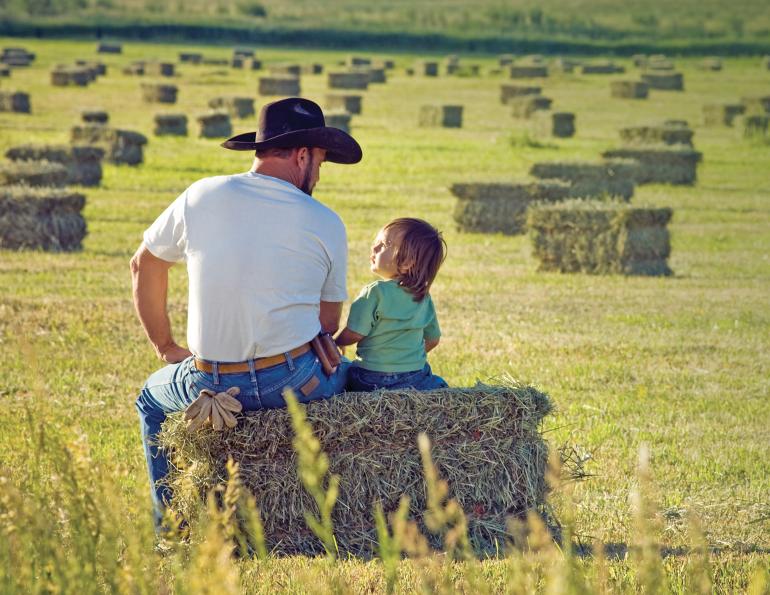
There is a lot more to haymaking than “making hay while the sun shines,” though doing so is a necessary start. Sadly, each year horse barns and farmers’ storage barns burn down, and horses become sick from respiratory disease and colic, as well as myriad other diseases such as Pituitary Pars Intermedia Dysfunction (PPID or Cushings disease). Many of these situations are avoidable so here are, in my opinion, the seven deadly sins of horse hay-making, in no particular order.

toxic plants to horses, toxic weeds to horses, equine laminitus, andrea lawseth, poisonous horse plants, Andrea Lawseth, field horsetail toxic horse, Water hemlock toxic horse, Stork’s bill toxic horse, Johnsongrass toxic horse, pyrrolizidine alkaloids toxic horse. Poisonous plants horses, equine laminitis

"My horse is smart enough not to eat toxic plants" - This is a comment I often hear during property visits focused on responsible manure and pasture practices. While it’s true that horses generally avoid undesirable or toxic plants when there’s ample healthy forage available, issues tend to surface when pastures are overgrazed and food choices become limited. That’s when horses may resort to eating weeds or harmful plants. It’s essential for horse owners to recognize which plants pose a threat and to understand how to control their presence in grazing areas.

Pages