


Understanding Neonatal Brain Oxygen Deprivation in Foals: Causes and Risks
Updated:
May 21, 2024By Kentucky Equine Research
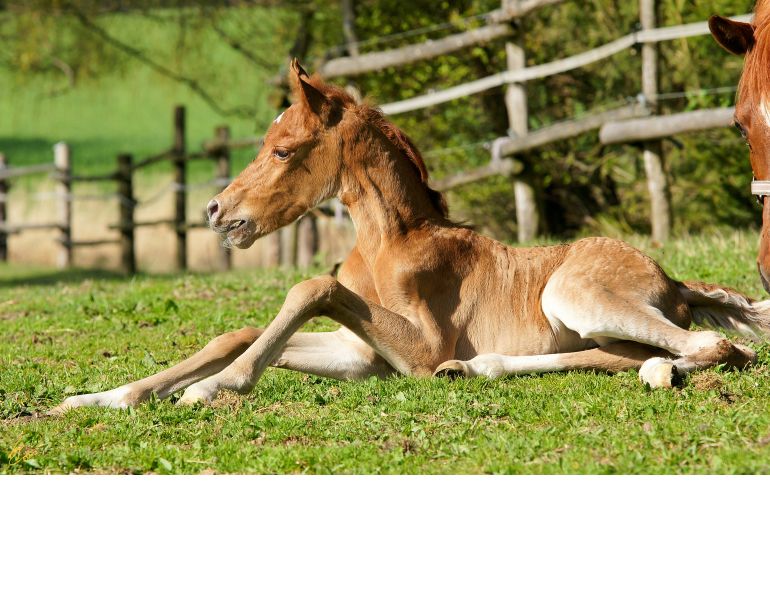
The majority of mares experience a smooth and uncomplicated birth, with the foal typically standing and nursing within an hour or two. Within a few days, the foal is often seen following the mare around the pasture and enjoying a nap in the sun. However, complications during or after birth can occasionally lead to a lack of oxygen reaching the foal's brain. This oxygen deprivation can result in conditions such as hypoxic-ischemic encephalopathy (HIE) or neonatal maladjustment syndrome (NMS), commonly referred to as "wanderers," "sleepers," "barkers," or "dummy foals" by barn managers.
Causes of Oxygen Deprivation in Foals
Any disruption in the oxygen supply to the foal’s brain can significantly impair brain function. There are various causes that can lead to oxygen deprivation, including:
- Inadequate Blood Flow: This can occur due to restricted or compromised blood flow to the brain, either from reduced blood circulation or insufficient oxygen in the blood.
- Premature Placental Separation: If the placenta separates from the uterus too early, it can disrupt the foal’s oxygen supply before birth.
- Uterine Infections, Twin Pregnancies, and Fescue Toxicosis: These conditions increase the risk of oxygen deprivation during pregnancy and delivery.
- Difficult Births and Delayed Delivery: Prolonged labor can lead to umbilical cord compression, reducing blood flow to the foal’s brain and organs.
- Post-Delivery Circulatory Transition: After birth, the foal’s circulatory system must adapt quickly to function without the mare's support. Any delay in this transition can cause oxygen levels to drop.
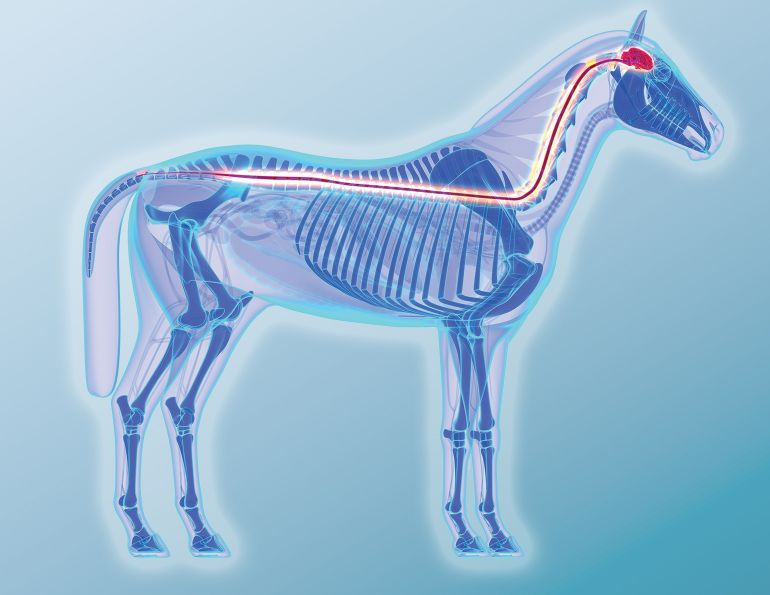
When oxygen supply to the brain is limited, chemical changes within the brain occur, leading to brain cell damage, swelling of brain tissues, and impaired neurological function. In severe cases, the lack of oxygen can also affect other vital organs, including the respiratory and gastrointestinal systems.
Recognizing the Signs of Oxygen Deprivation in Foals
Foals suffering from oxygen deprivation may exhibit various behavioural signs, including excessive lethargy, wandering, or abnormal vocalization. Prompt identification and intervention are crucial to minimize long-term damage and improve the foal’s chances of recovery.
By understanding the potential causes of oxygen deprivation during and after birth, horse owners and managers can better recognize and manage these situations to ensure the health and well-being of their foals.
Recognizing Oxygen Deprivation
The various names for this condition are descriptive of an affected foal’s behaviour. Some foals don’t seem to recognize the mare and are unable to nurse. They may wander around the stall, getting stuck in a corner and being unable to find their way out. Others slip into frequent periods of deep sleep, have seizures, or make strange “barking” vocalizations. These signs may be present shortly after birth, but it is also common for a newborn foal to seem completely normal and then begin to exhibit signs in a day or two. Abnormal behaviour that begins as long as a week after birth may be due to an oxygen deficit at the time of foaling.
Newborn foals may be affected by a number of problems, several of which might be mistaken for oxygen deprivation. If the foal “just doesn’t seem right,” any of the following could be the cause of abnormal or depressed behaviour:
- Infection — Diarrhea from a Salmonella infection and pneumonia caused by Rhodococcus equi frequently plague foals.
- Injury — Broken ribs are not uncommon in large foals and shock and pain can lead to unresponsiveness.
- Hypothermia — While most foals are able to maintain sufficient body temperature, some may need help staying warm.
- Poor Nutrition — The mare may not be producing milk or may not be allowing the foal to nurse.
- Discomfort — The foal may have ulcers, lameness, internal deformities, or other sources of pain.
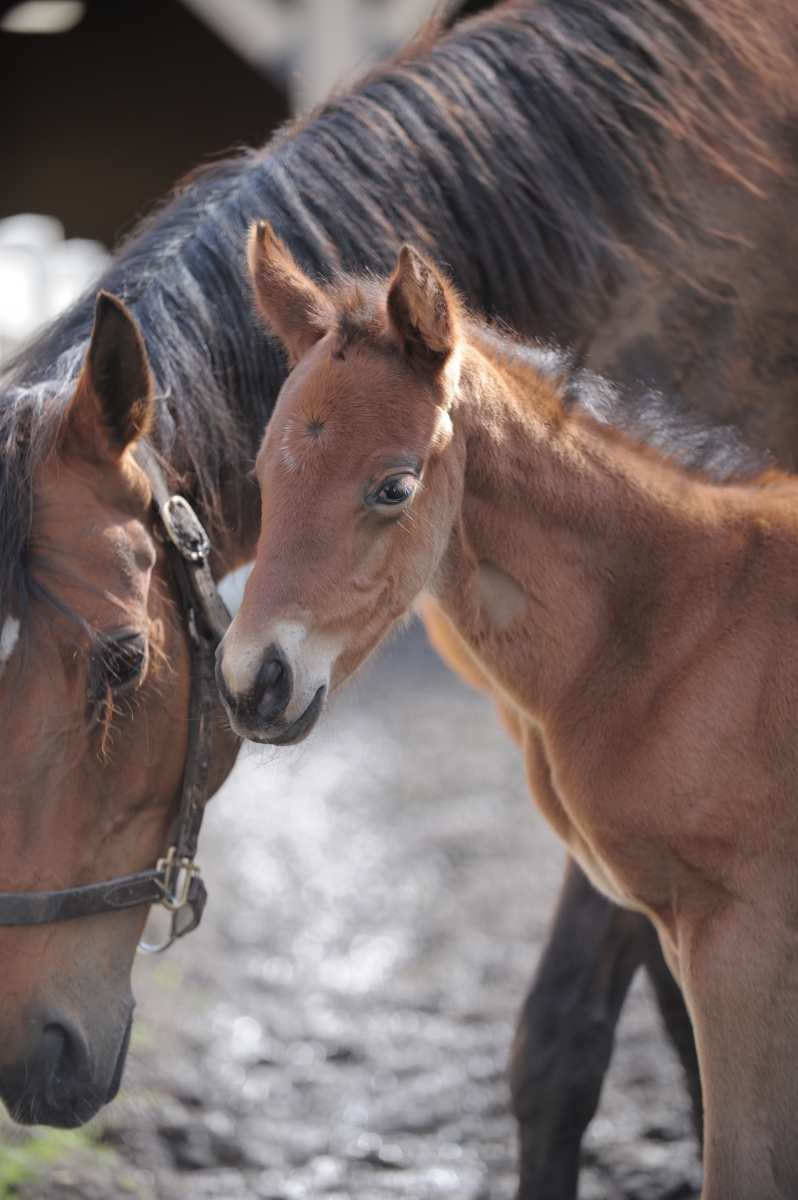
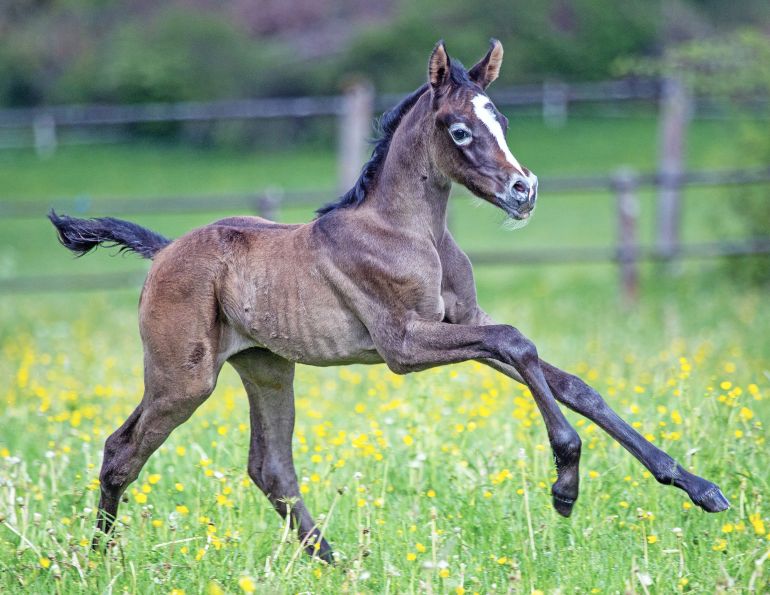
With immediate veterinary attention and proper treatment, many foals who experience oxygen deprivation are able to recover within a few days or weeks. Photo: Robin Duncan Photography
A thorough veterinary examination is necessary to determine the cause of the foal’s behaviour. To give the foal the best chance of complete recovery, this examination should be done as soon as the owner notices a problem.
Preventing and Minimizing Neurologic Deficits
In a difficult foaling, immediate intervention can make the problem less severe. Foaling managers attending the birth can watch for conditions that may lead to oxygen deprivation. One of the most common is a “red bag” delivery in which the placenta, a red velvety membrane, is the first thing to protrude from the mare’s vulva. In most deliveries the placenta ruptures but remains inside the mare until after the foal is delivered. The appearance of the placenta is a warning that the birth is not proceeding in the normal manner and that the foal is in danger of suffocation. The placenta needs to be torn or carefully cut so that the foal’s nose can be uncovered and cleared of fluid. The thin whitish membrane that normally encloses the foal usually ruptures as the birth progresses, but may also need to be torn away from the muzzle.
Even without other birth complications, the foal may not immediately begin to breathe on its own. Foaling attendants can clear the nostrils by suction or by stroking down the outside of the foal’s face. Rubbing the foal with dry towels can help to trigger breathing, but vigorous rubbing may cause further injury if the foal has broken ribs from a difficult delivery. Mouth-to-nostril resuscitation can be performed until the foal can breathe on its own and a regular heartbeat is confirmed; on a firm surface, extend the foal’s neck, cover one nostril, and breathe into the other nostril every two to three seconds, introducing enough air to see the chest expand.
Treatment and Prognosis
Care is aimed at several goals. One of the most important is making sure the foal is properly nourished, beginning with an adequate supply of colostrum in the first few hours after birth. If the foal can’t nurse, colostrum can be given by nasogastric tube. After its first 6 to 12 hours, the foal can no longer absorb the antibodies contained in colostrum, so this is an immediate concern for foals that have trouble nursing. Following this period, foals may need to have mare’s milk or a milk replacer delivered in small amounts every few hours until they are able to nurse. Intravenous feeding is indicated in some cases.
A second goal is recovery of damaged nerve cells. Veterinary treatment may involve drugs to control seizures, antioxidants such as vitamin E to aid nerve function, and medications to limit swelling of brain tissue.
Administration of oxygen may be necessary, either at the farm or in a veterinary clinic. A recent addition to the list of available treatments is hyperbaric therapy, in which the foal is placed in a pressurized chamber where oxygen is forced into the tissues.
A third priority is keeping foals from developing other health problems. Pressure sores, infections, and loss of body heat must be prevented while the foal builds up strength and recovers neurologic function.
In many cases of oxygen deprivation, affected foals make a complete recovery in the first days or weeks after birth. Prognosis depends on the severity of the condition and the promptness with which treatment is begun.
The best outcome depends on paying careful attention to the newborn foal’s condition and getting immediate veterinary attention if abnormal signs are noticed.
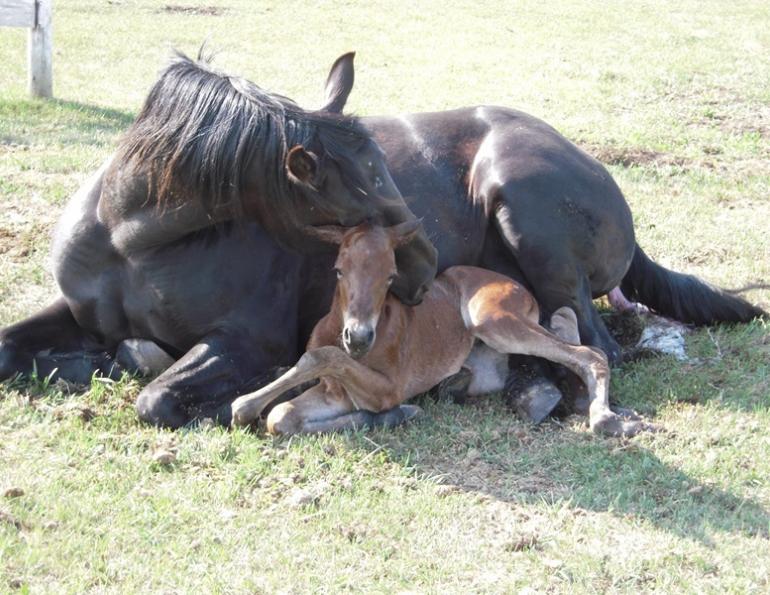
Main Photo: Susan Meilleur - Watch carefully during foaling for any signs that may lead to oxygen deprivation, such as a “red bag” delivery, lack of tearing in the membrane that surrounds the foal after birth, or lack of breathing in the foal after birth.
This article was originally published in the April 2011.


Blogs & Podcasts

Advertisement

Related Articles


Advertisement

Featured Stories







Advertisement
