


Updated:
September 4, 2026By Ann Caine
INTRODUCTION TO CANTRA INSTRUCTOR CERTIFICATION
The objective of the Canadian Therapeutic Riding Association (CanTRA) certification program is to train Canadian therapeutic riding instructors capable of giving knowledgeable, safe, and enjoyable instruction to riders with disabilities. There are four levels of certification.
KNOWLEDGE AND TECHNICAL COMPETENCE
Candidate Instructors must show their technical ability as well as have theoretical knowledge of all aspects of a therapeutic riding program, and specific knowledge of a wide range of disabilities.
SUMMARY OF CANTRA CERTIFICATION LEVELS
The Canadian Therapeutic Riding Association administers an internationally recognized instructor certification program. Instructors are trained to teach in therapeutic riding centres across Canada, and there are four progressive levels of certification with an additional category of certification at the basic level for instructors who teach two riders at one time. The Equestrian Canada Rider Levels are part of the prerequisites for certification.
The recommended pathway for certification is progressive through each certification level, starting with Basic Instructor. This level will develop a broad knowledge of therapeutic riding including basic knowledge of riding skills, lesson planning and format, student progression, volunteer training, and basic horsemanship skills. In addition, knowledge of various disabilities accepted for therapeutic riding and methods to ensure safety and success are important components.

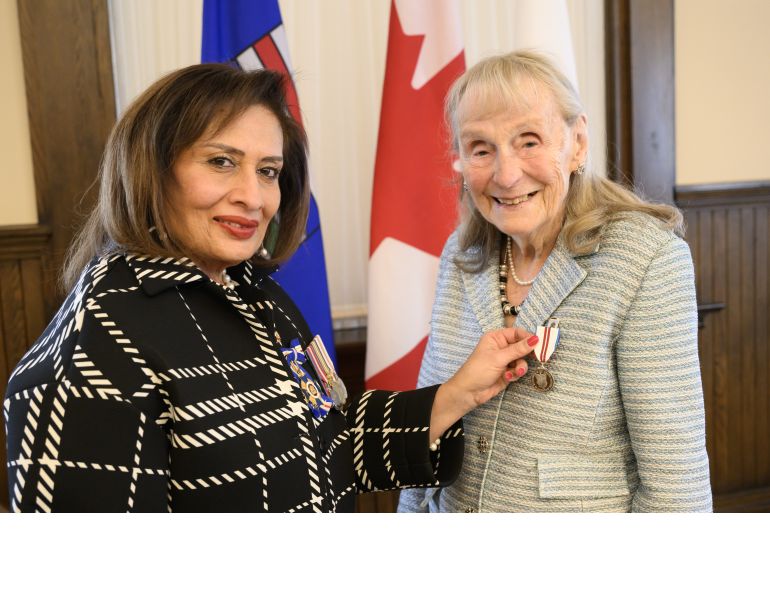
Photo courtesy of CanTRA
Mentoring: Candidates for CanTRA certification need a mentor to guide them through the certification process. The mentor is at minimum one level above that of the candidate and will provide 100 hours of experience, observing and critiquing lessons, lesson plans, and student progress reports, and discussing short- and long-term goals and progression.
CanTRA Basic Instructor (CTRBI) — Those who complete the CanTRA Basic Instructor (CTRBI) level are certified to teach one student rider at a time, giving safe and enjoyable basic riding instruction to children and adults with disabilities. Basic Instructors work under the direction of a CanTRA Intermediate Instructor (CTRII), CanTRA Senior Instructor (CTRSI), or a CanTRA Coach, recognizing that this may not always be practical in a small program. The Basic Instructor prepares, teaches, and records the progress of each rider and the training of volunteers.
The CanTRA Basic Instructor curriculum outline includes:
- Stable management
- Volunteer training
- Mounting and dismounting
- Teaching, student progress reports, and recordkeeping
- Knowledge of disabilities; adaptation of aids and special equipment
- Helmet fitting
CanTRA Basic Instructor-2 (CTRBI-2) — Candidates can choose to start at the CTRBI-2. All requirements of the CTRBI and CTRBI-2 must be met. An instructor certified as CTRBI-2 is qualified to teach two riders.
CanTRA Intermediate Instructor (CTRII) — Certified to teach a maximum of four students at a time, giving safe and enjoyable basic riding instruction to children and adults in therapeutic riding. Ideally, the CanTRA Intermediate Instructor will work under the direction of a CanTRA Senior Instructor or CanTRA Coach. The CTRII is involved with preparation, teaching, and recording the progress of each rider, and training volunteers.
CanTRA Senior Instructor (CTRSI) — The CTRSI is certified to teach a maximum of four riders at a time; trains the volunteers and organizes additional volunteer training; trains others to become instructors and mentors; gives direction to CTRBIs, CTRBI-2s, and CTRIIs; and is responsible for the selection and schooling of therapy horses. The scope of these duties will depend on the size of the program and the certification levels of other instructors on staff.
The CTRSI comes to therapeutic riding through the Equestrian Canada coaching stream as a certified EC Instructor, Competition Coach, Competition Coach Specialist, or EC Western Level 1 Coach or higher. Their equestrian skills and experience have met Equestrian Canada’s coaching standards in the areas of stable management, horsemanship, and teaching of able-bodied riders. Therefore, candidates for the CTRSI will focus on specialization of skills, knowledge of disabilities, and experience required in teaching riders within a therapeutic riding program.
For further information contact Eliane Trempe, CanTRA Coach/Examiner & Certification Administrator, certification@cantra.ca.
For more information or to find a CanTRA centre near you please contact:
- Instructor Certification: certification@cantra.ca
- Program Accreditation: accreditation@cantra.ca
- Finance: finance@cantra.ca
Visit Cantra.ca
Donate at CanadaHelps.org
Follow us on Facebook
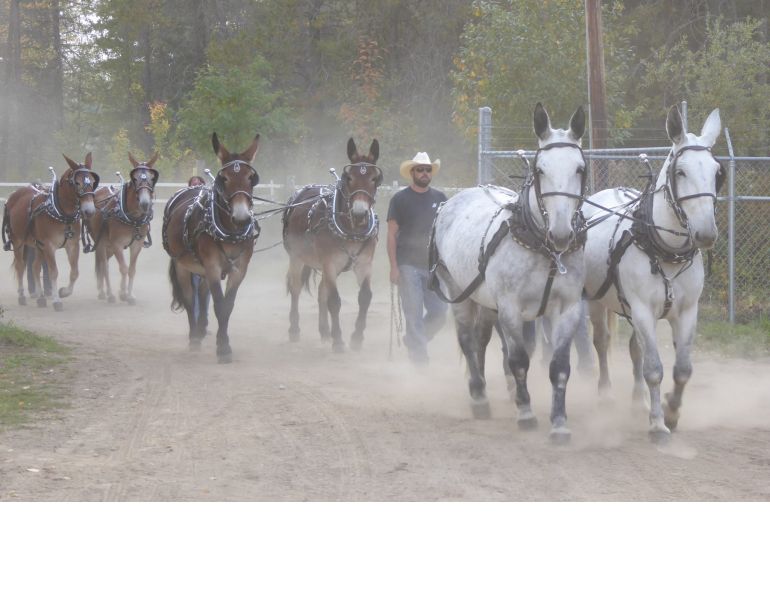
Main Photo courtesy of CanTRA

Blogs & Podcasts

Advertisement

Related Articles




Advertisement

Featured Stories






Advertisement
