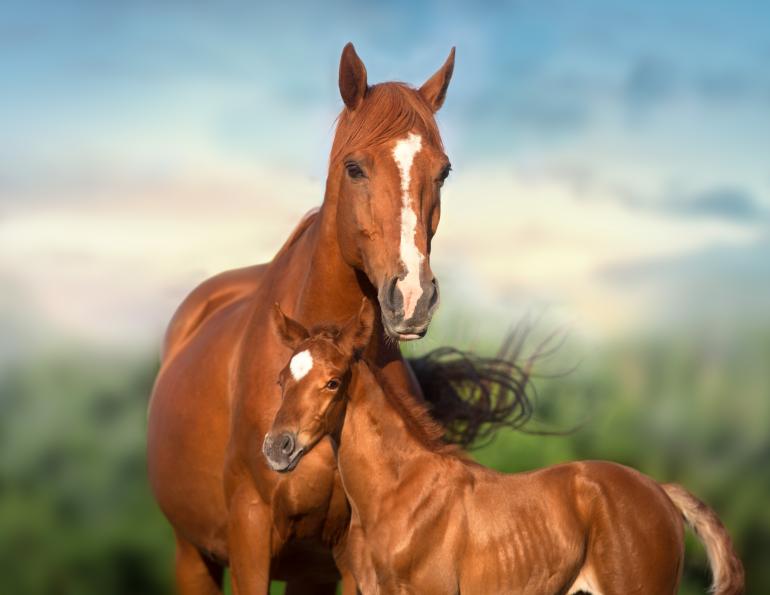
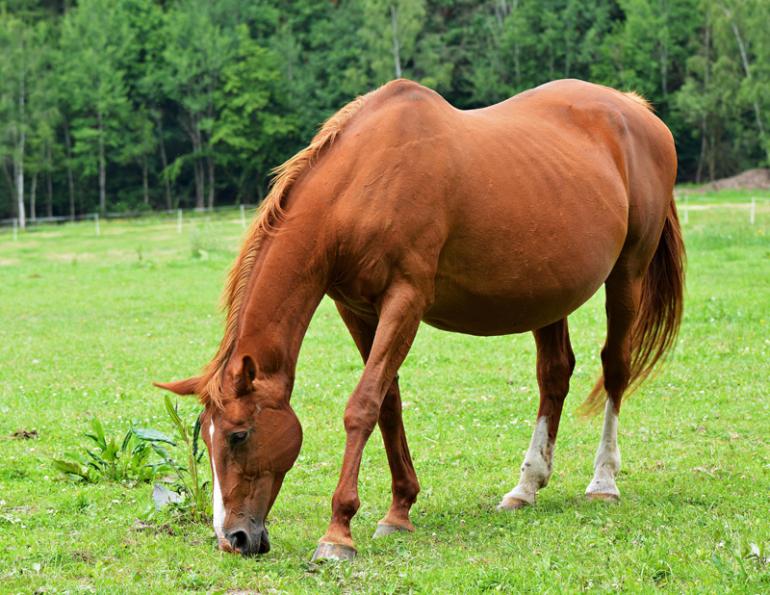
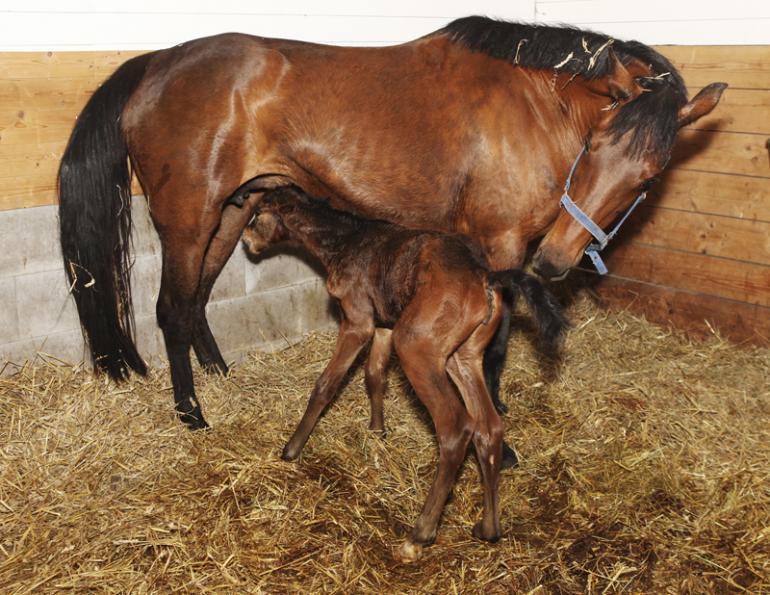
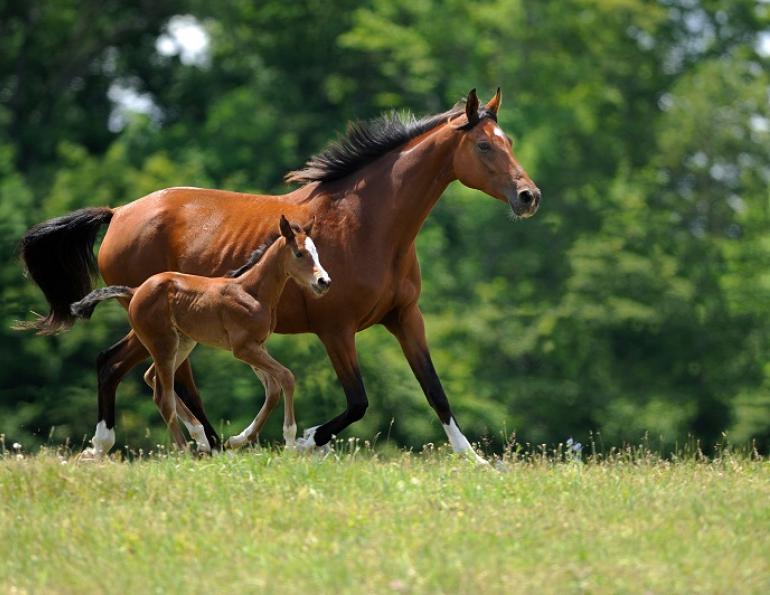
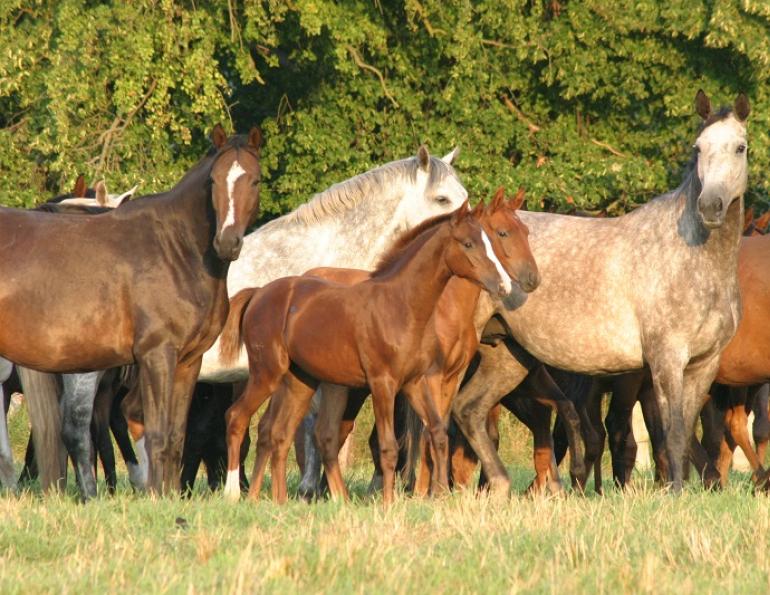
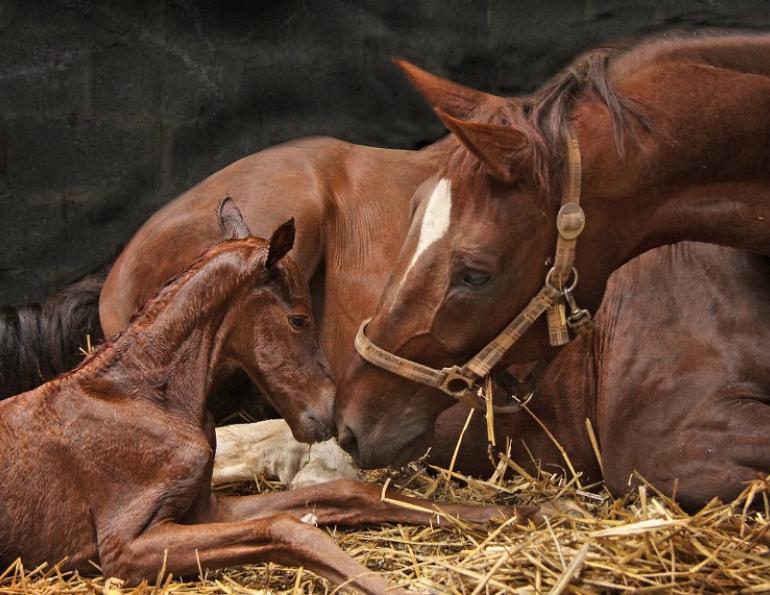
Mare & Foal

Arabian Horse Genome, arabians thoroughbreds, genetics of arabians

Genetic Study Challenges Common Beliefs - A study involving Arabian horses from 12 countries has found that some populations maintained more genetic diversity and that the breed did not contribute genetically to the modern-day Thoroughbred, contrary to popular thought.

equine endometriosis, horse endometriosis, jcs veterinary reproductive services, juan samper

By Juan C. Samper, DVM - Endometritis, which is the inflammation (swelling and irritation) of the uterus, is the main reason for mares not becoming pregnant. This inflammation can be acute or it can be chronic; in other words, this inflammation could be something that is occurring for the first time or it could be a problem that has been going on for a long time.

Vaccine Against Foal Pneumonia Morris Animal Foundation’s Patsy Link Chair in Equine Research at Texas A&M University foal pneumonia r. equi, vaccines for pregnant mares, Harvard Medical School, rhodococcus equi

Morris Animal Foundation’s $2 Million Research Investment Offers Hope for Horse Lovers - After decades in the making, a vaccine against deadly foal pneumonia might finally be within reach, thanks to Morris Animal Foundation-funded research conducted at two major universities. The breakthrough could potentially save the lives of thousands of foals every year.

Artificial light has been used to mimic longer day length and hasten the onset of seasonal reproductive activity in mares. Extending the day length to about 16 hours is now a common management tool on horse breeding farms.

Researchers at the University of Guelph are searching for clues to better manage a virus that can cause late gestation abortion in mares. Horses carrying equine herpesvirus (EHV) may exhibit signs as minor as a runny nose and mild fever, but the virus is a major cause of neurological, respiratory, and reproductive disease, including abortions, in the equine industry.

Breeding Your Mare, equine bloodlines breeding, horse breeding for temperament, lindsay rogers, cycling mare, palpating mare, fertilizing mare, equine artificial insemenation, horse insemenation

From bloodlines to athletic career to temperament, there are many different reasons to breed your mare. While the mare owner may have no trouble making the decision to breed their mare and choosing the perfect stallion, sorting through the myriad details involved in the actual breeding process can be challenging. Being informed about mares’ cycles and the different options for breeding can help make the breeding process go more smoothly, especially for first-time breeders.

Broodmare genetics mare horse breeding stallion versus mare lineage broodmar juliane kuhl brandenburg state stud vetmeduni vienna garf lehndorff institute for equine science

Traditionally, horse breeders look to the stallion for pedigree lines to produce the superior performance offspring with the desired characteristics of speed, conformation, and health. But the lineage of mares plays an equally important role not only in the genetic quality of the foal but potentially in the breeder’s selection for fillies or colts. In addition, a mare’s maternal heritage influences the length of gestation.

mare is in foal, Foaling Mare, hrose labor, equine labor, delivering a foal safely, theriogenologist, western college of veterinarian, horse twins, vaccinating mare, foaling complication

When to Watch - When to Act - Ask anyone who has bred horses, and they’ll tell you it’s no easy feat. However, when it is done properly (and everything goes right), having an energetic and healthy foal is an exciting and rewarding experience. Dr. Stephen Manning is a board-certified theriogenologist and an associate professor at the Western College of Veterinary Medicine (WCVM) in Saskatoon, Saskatchewan.

Pages