30 Articles

pssm horse, polysaccharide storage mypathy horses, muscle disease horse, quarter horse pssm, muscle cramping horse, tying up horse

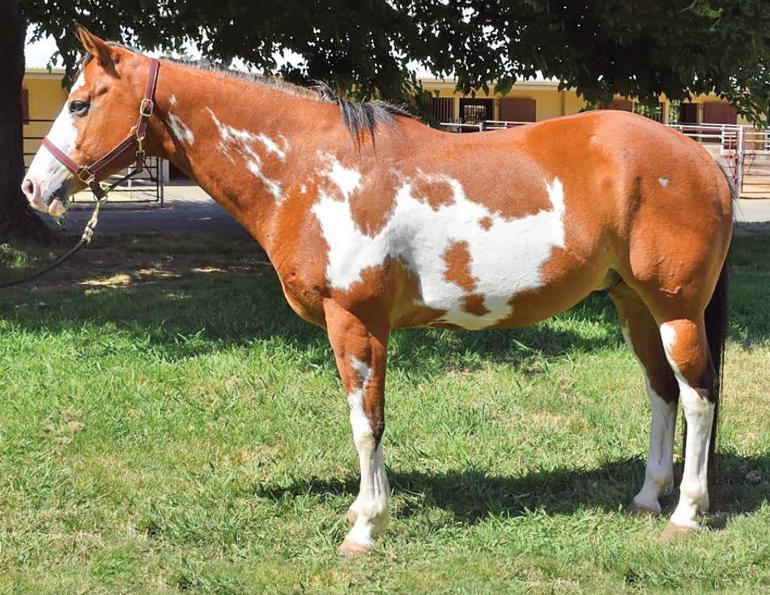
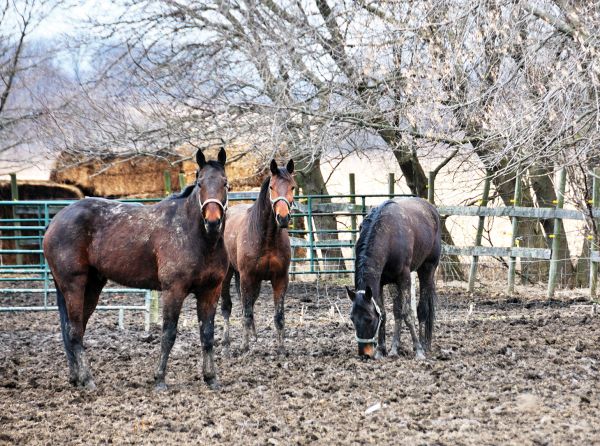
Polysaccharide storage myopathy or PSSM is a muscle disease that occurs primarily in horses with Quarter Horse bloodlines such as Quarter Horses, Paint Horses, and Appaloosas. PSSM also occurs in other breeds including Drafts, Draft crossbreeds, and Warmbloods. The primary clinical sign of this disease is muscle cramping or tying-up; however, clinical signs may vary with different breeds and severity. There are several different abbreviations used to describe polysaccharide storage myopathy including PSSM, EPSM and EPSSM. Tying-up also occurs in other breeds of horses such as Thoroughbreds and Standardbreds, but this form of tying-up has a different cause.

equine sports therapy, tracking system horse, how should a horse move, preventing a horse injury, lockie Phillips emotional horsemanship equine bodyworker, improve horse's body awareness

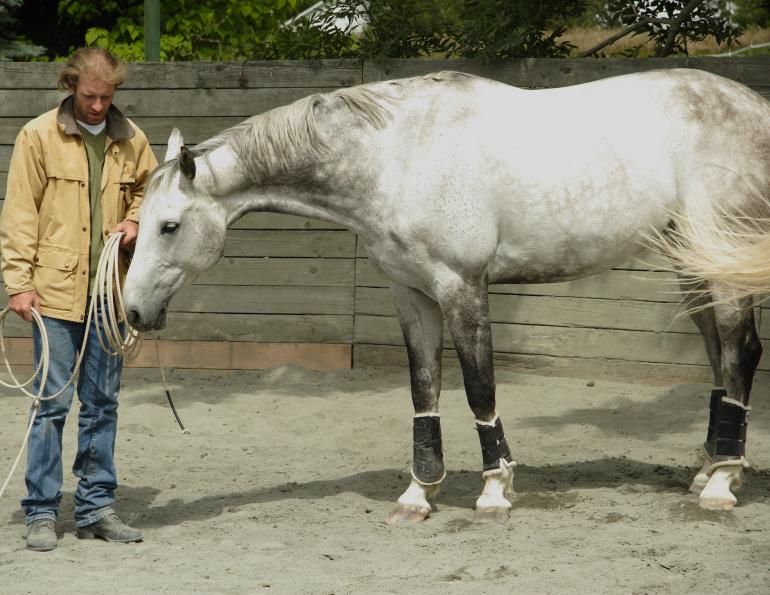
This issue we will discuss the surprisingly controversial topic of movement. As I consider this subject, an experience from long ago springs to mind. I was invited to ride a dressage horse who was a bodywork client, actively competing in Young Riders and very expensive.
grand prix show jumper kennedy ellingson, coeur de riccerold horse, riding older horses

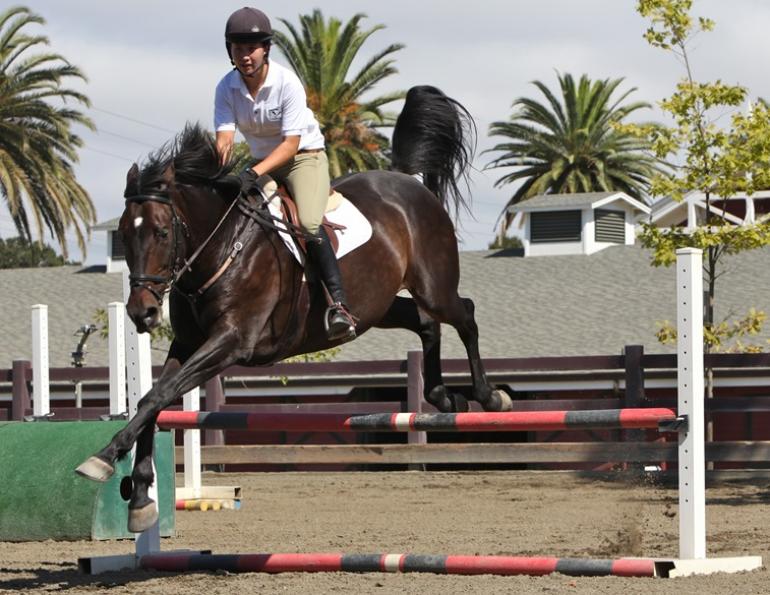
In the last few years, teenaged horses have been making headlines by winning some of the biggest competitions on the planet. At the 2020 Tokyo Olympic Games (held in 2021), over half of the three-day eventing horses were aged 13 through 19. The oldest horse was Tayberry, a 20-year-old ridden by Hong Kong’s Thomas Heffernan Ho.

horse podcasts, equine podcasts, julie goodnight podcast, warwick schiller podcast, jec ballou podcast, alexa linton whole horse podcast, karen rolfe podcast

If you need a break from listening to music or the news, consider tuning in to a free podcast. With thousands of episodes available, you should be able to find something that grabs your interest. From horse industry news to expert help, insider tips to business ideas, there’s a program for everyone.

diquita cardinal cardinal ranch, denny emerson tamarack hill farm vermont, how to understand your horse, how to be a horse person, best horse trainers

For generations, riders and horse lovers have been enthralled by the mystique of horsemen (and women), but many struggle to define what a “horseman” actually is. Is a horseman someone with a laundry list of skills such as starting young horses, nailing on shoes, being knowledgeable about horse care, and having the ability to train horses to the highest levels? Or is a horseman someone who lives in the moment, has mastered their emotions, and understands a horse’s mind? Perhaps a horseman embraces all of these attributes; perhaps none.

enviromentally friendly horse barn, eco friendly horse, eco friendly horse barn, stephanie captein Langley Environmental Partners Society, recycling horse bedding, composting horse manure

Question: I’d like to make my horse facility more environmentally friendly but I’m on a tight budget. What are some inexpensive ways to “green” my barn? A: Going green doesn’t have to mean spending a small fortune. There are many budget-conscious ways to change the way you manage your facility so that your barn and property are more eco-friendly.

sponsorship programs horse events, sponsorship horse rider, canadian equestrian sponsorships, tania millen

Horse events are expensive to host, so event managers love to have sponsors help fund their events. Top events put on shows with good prize money that competitors, spectators, and sponsors flock to. However, attracting and retaining sponsors can be challenging. We asked the sponsorship managers for The Royal Winter Fair Horse Show and Angelstone Events to share how they do it. Plus, we asked a smaller company which has provided sponsorship to share their perspective. Here are the eight steps they recommend to help garner top-notch sponsors for your next horse event.

Biosecurity horse farm, how to protect horse from virus, pathogens horse farm, designing a horse barn for health, safely transporting horses

Protecting Horses and Humans - The COVID-19 pandemic showed how alarmingly quickly a virus can spread across countries and continents and created an understandable reaction to protect against infection from any and all viruses and pathogens. By extension, it is also essential that there is a level of biosecurity on your farm or acreage to protect horses against agents of disease.

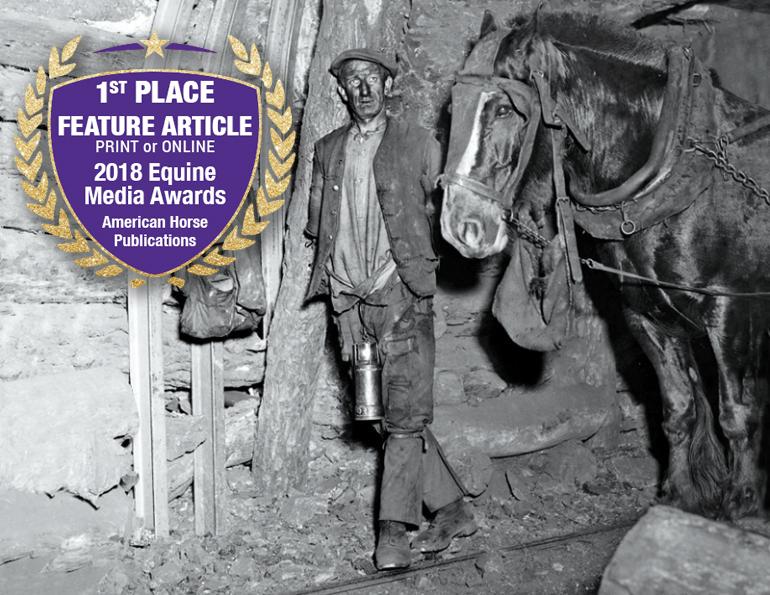
canadian pony club, how to join canadian pony club, history of pony club, american horse publications award winner

It’s common for riders to compete at high levels today without advanced horsemanship knowledge. A rider’s success in the show ring seems to have greater value than their horse management skills, but that wasn’t always the case. Many of Canada’s former top riders credit Canadian Pony Club (CPC) for their horsemanship knowledge and acknowledge its importance to their success. The horse industry has since changed and now, riders rely on coaches to know what’s best for their horses.

Dressage Youth, Eventing Youth, Young Equestrians, New horse people, Programs for horse riders, canadian pony club, equestrian canada, Ontario Equestrian GRIT, Show Jumping Youth Development, Vault Canada, CADORA, Endurance Riders Canada

Youth riders are the future of Canada’s equestrian teams, but not every horse sport has dedicated programs to bring along competitive riders aged 12 to 30. Equestrian Canada’s (EC) Long-Term Equestrian Development document provides a road map for athlete development — from those new to horseback riding to riders competing on Canada’s senior teams. Yet, there’s no one-stop-shop that describes pathways and programs for youth in different horse sports. Every sport has unique divisions and opportunities to advance, but some lack systematic activities that encourage advancement. Regardless, many riders who have represented Canada internationally have honed their skills through the youth programs and competitions that are available. Here’s a brief summary of programs available for Canadian youth riders, along with insight from those involved.

How to Train a horse's Mane, train the equine mane, horse grooming, shorten a horse's mane

For most disciplines, the horse’s mane should fall on the right side of the neck. However, a mane might have a mind of its own and prefer to be on the left side, or maybe on both sides. I have always found that the best way to train a mane to lie flat on one side is to braid it and leave those braids in for a few days, or up to a week if possible.

horse industry canada, horse welfare canada

Let’s get this discussion started! We would like to invite you to dig deep and answer this Tough Question below.

long-term response of equids with pituitary pars intermedia dysfunction to treatment with pergolide, treatment of ppid equine cushings disease

Long-term use of pergolide to treat horses with pituitary pars intermedia dysfunction (PPID or Equine Cushing’s disease) produces clinical improvement in most cases, and improved endocrine test results in some, according to recent work.

best way to soak hay, horse feed management practices, how to find higher quality horse forage, advantages of steaming horse hay,

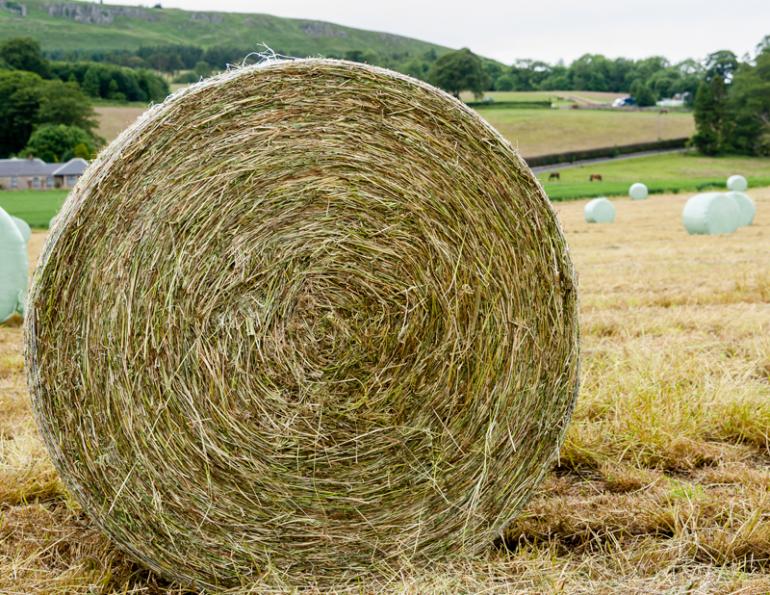
Horse owners have been wetting or soaking hay as a feed management practice for many years. Soaking hay for horses can be invaluable when feeding a hay that is a little dusty as a result of soil contamination or where it was stored in the barn. Horses that have allergies and are sensitive to the natural dust and particles in hay can benefit significantly from wetting or soaking hay.

can boys ride horses, men in dressage, men in show jumping, gender equity canada's horse industry

Dressage, show jumping, and three-day eventing are the only Olympic sports where men and women compete against each other. They’ve been doing so for over 50 years, but it’s an aspect of equestrian sport that receives little public recognition. Most sports are divided by gender — men in one class and women in another — to prevent one sex from having a physical advantage over the other. But the gender of horseback riders and drivers is not considered an advantage or disadvantage. Hence in equestrian events there’s no need to level the playing field by segregating men and women.

horser discipline tactics, understanding horse behaviour, understanding different horse temperaments, disciplining your horse

As a trainer and clinician I am fortunate to work with a wide variety and a large number of horses. As a result, I see different patterns of equine behaviour emerge.

horse businesses canada, how to run horse business, equine entrepreneurs, insurance horse business, marketing a tack store, equine professional courses, marketing horse business

8 Keys to Making Your Dream Horse Business Profitable - One of the biggest challenges for equine entrepreneurs is viewing their business as a business. Many riders and horse lovers get into business as an extension of their love of horses, but a horse trainer, coach, or rider who is paid for their services is a self-employed professional. They’re operating a business just like anyone else selling goods or services.

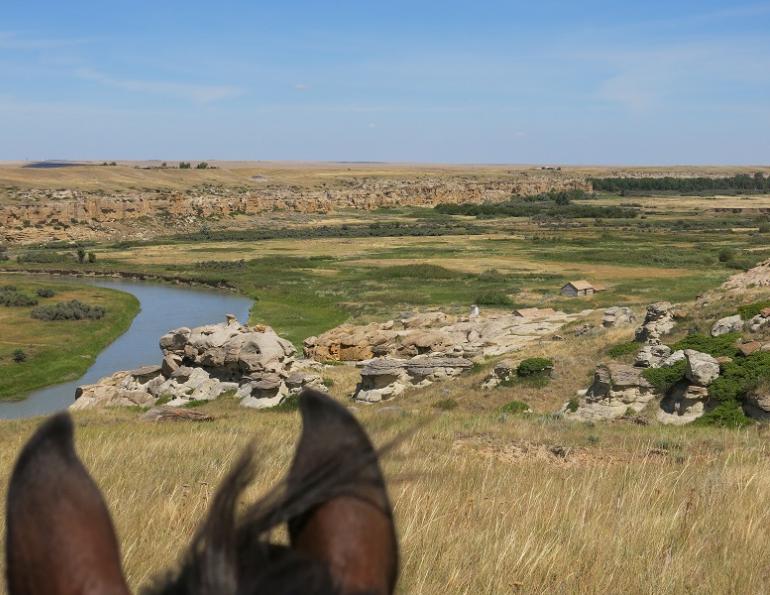
canada's wild horses, sable island horses, bronson forest wild horses, alberta rocky mountain wild horses, canada's feral horses, wild horses of alberta society, whoas, bc wild horse act, bc range act, friends of the nemaiah valley

“Their existence stirs our imagination. We feel their energy and their pure, unbridled spirit. To spend time with wild horses is to reach deep into your own soul and find your own freedom, whatever that may be.” — Sandy Sharkey

tania millen, pony club, how to join canadian pony club, history of pony club, brian morton pony club, karl slezak pony club, alberta north pony club, jill irving youth riding, prentice creek equestrian centre

Contrary to what the name may imply, Pony Club isn’t just for little kids on ponies. Pony Club is an international volunteer-based organization that originated in Britain and came to Canada in the 1930s. The Canadian Pony Club alumni Wall of Fame reads like a “who’s who” of Canadian equestrians: Ian Millar, Beth Underhill, Chelan Kozak, Christilot Boylen, Dana Cooke, Danny Foster, Gina Smith, Jim Henry, Jimmy Elder, Joni Lynn Peters, Karen Brain, Leslie Reid, Liz Ashton, Lorraine Stubbs, Lynn Larsen, Rebecca Howard, Rob Stevenson, Sandra Donnelly, Tik Maynard, and many more. Some of those alumni still compete at top level; some no longer ride. But they all struggled through a series of written, stable management, and riding tests, then put those skills and knowledge to use to become some of Canada’s best riders.

Hypochaeris radicata, stringhalt equine reflex hypertonia, diseases horses, horse walking strange, equine hindlimbs stringhalt, uc davis center for equine health

Stringhalt, or equine reflex hypertonia, is a neuromuscular condition that causes a gait abnormality characterized by involuntary, exaggerated upward movement of one or both of the hindlimbs. It looks like a jerk or hop, with the affected hindlimb(s) snapped up towards the abdomen. This generally occurs with every stride at the walk but can lessen at the trot and is usually absent at the canter. The degree of hyperflexion varies from mild to severe and is most obvious when the horse is turning sharply, backing, going down a slope, in the first few walking steps after standing still, or during gait transitions. A hopping gait may be exhibited in severe cases.

Pages