20 Articles

modern vaquero horsemanship book, julianna avila book review, good horse books

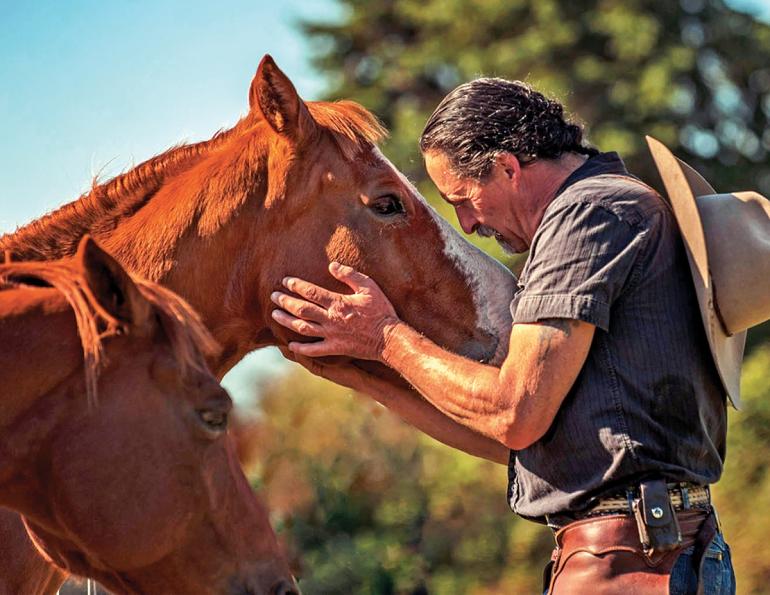
Fine horses and Fair-Minded Riders – Modern Vaquero Horsemanship by JuliAnna Ávila is a love letter written to a long-standing tradition of Vaquero horsemanship, as it finds its way through the new world of easy-access information.

help horse survive flies, help horse survive horse flies, help horse survive deer flies, help horse survive black flies, help horse survive face flies, help horse survive house flies, help horse survive mosquitos, paddock pest management, horse flies can cause sweet itch, Barn swallows, bats insect predators, horse care, paddock management

Flies are a familiar seasonal frustration, but for horses, they’re more than just a nuisance—they can lead to constant tail swishing, foot stomping, head tossing, and skin twitching. Beyond being irritating, flying insects such as gnats, midges, mosquitoes, horse flies, deer flies, black flies, face flies, and stable flies pose real threats to equine health by causing skin conditions and transmitting serious diseases.

horse back pain, poor saddle fit, horse laser therapy, equine shockwave therapy, equine kissing spine, x-rays equine back, sacroiliac pain horse, equine joint pain

Diagnosis and Treatment - In recent years the addition of the back examination to a routine lameness exam has become commonplace. With vast amounts of information available on the internet and social media pages, it can be daunting to understand and clarify “back pain” in the sport horse. This article will organize the clutter of information into a clear picture for riders and owners.

grain-free diet for horses, should horses be grain free? how to feed a horse a grain-free diet, hay analysis how to, should i get my hay analyzed? madeline boast equine nutritionist, nutrient requirements horses, carbohydrates for horses, diet active horses, diet easy keeper horses

And Can These Diets Be Acceptable for Active Horses? Grains are not a required feed ingredient for horses, and reducing the amount of grain-based products fed to horses has been a popular trend in recent years.

Jonathan Field, how to stop horse bucking, why is horse bucking, horse won't canter trot, groundwork for horse

Recently, I helped a friend whose mare was having problems with the transition to canter. Moving from trot to canter was scary at best – the mare might cut sharply into a turn, panic and rush, or throw in a strong buck. The mare seemed to be saying let’s just stick with the trot!

Genetics Horse Colours, healthy horse coat, grooming horse, Tania Cubitt, equine coat colour, equine supplements

Everyone wants to see their horses glowing from the inside out with a sleek coat – the quality of a horse’s hair coat is directly related to his overall health. Providing the horse with plenty of roughage and a balanced diet along with an effective parasite control regime, sufficient exercise, and grooming is imperative when striving for a healthy coat.

Kevan Garecki, horse trailer safety, safe horse transport, horse care

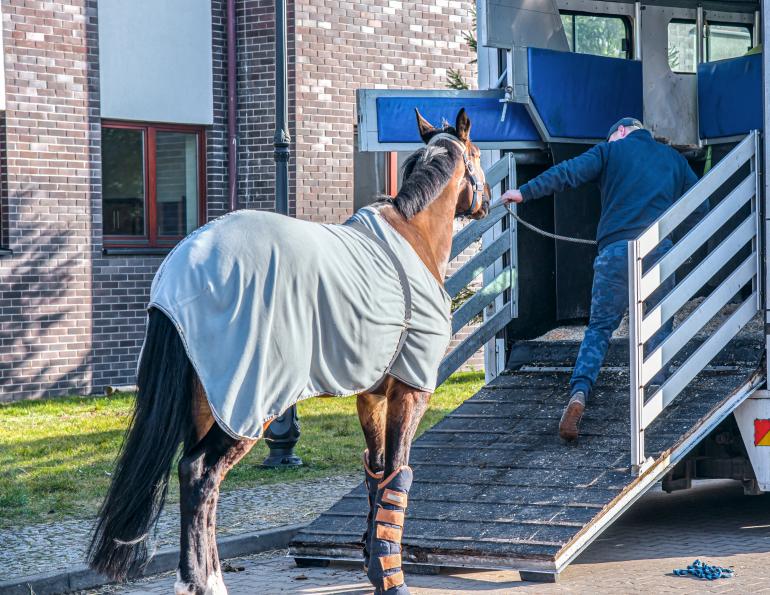
The need for safe driving should always be preeminent, even more so when we have precious cargo on board. Keep in mind that there is nothing in a horse’s instinctual response mechanism that will help him in the event of a crash; this makes us wholly responsible for our horses’ welfare.

staying calm riding horses, anxiety horse riding, better relationship horse and rider, regulating nervous system Annika McGivern, breathing exercises for horse riders, equestrian psychology

Tuning In To Your Internal State - All riders are familiar with the joy and challenge associated with mastering the dance of connection and communication between horse and rider. However, fewer riders are familiar with the role which regulating our nervous system plays in this intricate ballet.

boarding schools for horses, choosing horse trainer, how to train horse, alexa linton, horse psychology, therapy horses

What to consider when sending your horse out for training - Along with many people, I've sent my horse away for training with varying results as to its impact. It is common practice, especially at certain stages of training such as starting under saddle, to invest in several months of intensive training at a trainer’s facility. Given that our horse is going to be in someone else’s care for a substantial amount of time, in a new environment, with countless changes, a great level of care must be given to our decision.

protect horse wildfire smoke, horses air polution, equine air pollution, equine asthma, reduce dusts horse barn, when to call a vet horse cough

There’s nothing like hearing a horse cough to set people scurrying around the barn to identify the culprit. After all, that cough could mean choke, or suggest that a respiratory virus has found its way into the barn. It could also indicate equine asthma. Yes, even those “everyday coughs” that we sometimes dismiss as “summer cough” or “hay cough” are a wake-up call to the potential for severe equine asthma.

evolution of ponies, riding ponies, training ponies, children and ponies, nikki alvin smith, what to look for in a pony, my pony bites

Sadly, ponies get a lot of bad press. Even so, their reputation as being lazy, stubborn, and difficult to train, plus their seemingly inherent displays of poor behaviour, have less to do with their innate nature and more to do with a lack of training.

switching horse forage, switching to a new hay for horse, equine portal, jackie bellamy-zions, how to transition horse to new hay

Are you able to recognise the early signs that your horse’s digestive system may be under threat? Loose droppings, gastrointestinal discomfort, or in the most serious cases—colic—can often result from a sudden change in forage. Whether you're relocating to a different yard, receiving a fresh delivery of hay, or shifting from rich, dewy pasture to a dry sacrifice paddock and hay, gradual forage transition is critical to safeguarding gut health.

injured horse, trick training horse, non-riding horse activities, teaching horse manners, jonathan field, how to handwalk a horse

Sooner or later, most horse owners have the unfortunate experience of dealing with an injured horse. It’s common sense to have a veterinarian assess what’s wrong as soon as your horse becomes injured, but a vet will also help create a rehabilitation plan, advise how long the recovery period will be, and provide post-recovery expectations.

horse forage diet, equine forage-based diet, madeline boast, equine gastrointestinal GI anatomy, equine gi tract, gastric ulcer horses, how to take hay sample, analysing horse hay, nutrient requirements for horses, digestible energy horses, crude protein horses, sugar and horses

Most horses are maintained on a forage-based diet, meaning that the primary component of their daily ration is hay or pasture. In the equine nutrition world, the term “forage-first” has gained popularity.

housing stallions, windy coulee canadian horses, coulee dawn, stallions and mares, happy stallion, aggressive stallion

Satisfying the horse-specific needs of stallions is imperative for their mental and physical health. However, it can be challenging to provide living arrangements where stallions aren’t just surviving — but thriving. Kelly Brook Allen is one stallion owner who is adamant about her horse’s welfare. “He gets to live a normal life,” she says. Allen owns Canoa Farms in Merritt, British Columbia with her husband, Ron Stolp.

The Equine Heart, what should my horse's heart rate be, what is a normal rhythm horse heart, equine electrocardiogram, heart rate variability horse

Skipped Beats, Sudden Death… and Why We Shouldn’t Worry Too Much. When you first start examining patients as a veterinary student, you’re very keen to (gently) poke and prod every animal you come across. Realizing you can assess cardiovascular function by palpating peripheral pulses is very empowering!

Lindsay Grice, Equestrian Canada coach and judge, poles horse, exercises with poles horse, horse obstacles, help horse straight, adjust horse's stride, suppleness horse, schooling exercises horses, pole exercises horses

Ground rails, trail pattern poles, or obstacle course logs — these low-lying obstacles are a regular feature in the equestrian experience. We walk, trot, and canter over them in straight paths, serpentines, or pinwheels.

equine allergies, horse hives, allergy testing horses, allergy shots horses, pastern dermatitis horses, chronic progressive lymphedema horses, ringworm horses, summer sores habronema in horses

A Scratch for Every Itch - Horses scratch for many reasons. They scratch themselves on fences, rub up against posts (and sometimes people), roll on the ground, and groom each other. A natural behaviour usually linked to social bonding, comfort, and relaxation, it can be heightened seasonally by shedding, sweating, or the presence of insects. However, when scratching becomes frequent enough to result in hair loss, broken skin, scabs, or if it disrupts eating or sleeping, it is time to talk to a veterinarian to determine if a skin allergy is to blame so appropriate treatments can be pursued.

history of saddles, Canadian saddlers, Christian lowe saddler, lim group saddlery, cwd saddles, four winds saddle services, horse saddle types, horse saddles history

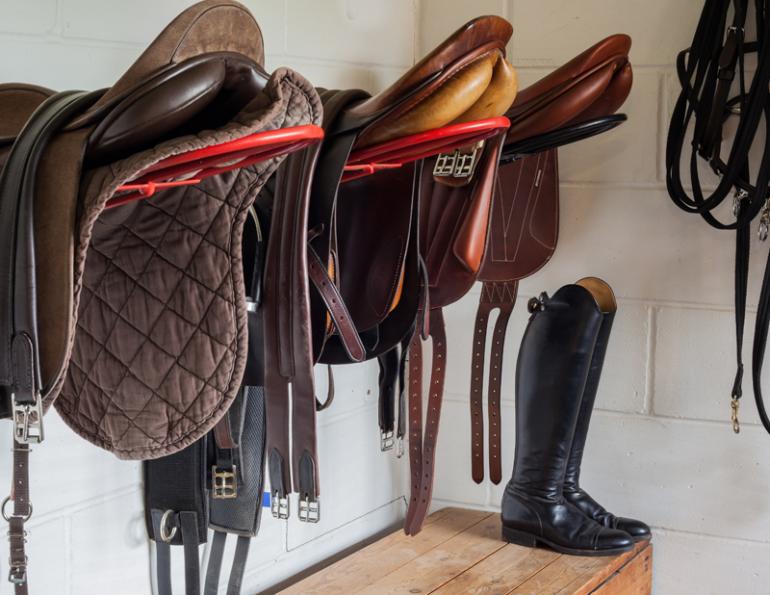
Historical records show that horseback riders first used cloth saddles in approximately 700 – 400 BC. It wasn’t until about 200 BC, that rigid saddle trees were invented. Since then, saddles continued to evolve as riders used their horses for new activities.

Kendal lehari three-day eventing rider, how to succeed as a horse rider, Canadian equestrian athletes, successful Canadian horse riders, tracy vollman Canada's world equestrian games endurance team, jim greendyk performance horses

Canada is a massive country, with large distances between equine competitions and a relatively small number of upper-level equestrians. Hence, Canadian riders who want to be competitive at upper levels struggle to find enough higher-level competitions to advance their riding careers. Canada also has winter weather that precludes many riders from training outside for half the year. This can limit advancement and horse fitness. For example, three-day event riders can’t school cross-country jumps or get their gallop training in when fields are drifted with snow, nor can endurance riders do long rides on varied terrain.

Pages