


Riding Success With or Without a Trainer: Pros and Cons of DIY Horse Training

Updated:
February 3, 2026Do it yourself, hire a pro… or something in between?
By Lindsay Grice, Equestrian Canada coach and judge
Competitive and non-competitive, some horse owners choose to lean on a professional; others choose to do their own work. Those who opt for a trainer trust the leg-up afforded by a professional’s experience and oversight. Yet, in the age of YouTube, doing it yourself versus enlisting a professional has become a big thing. Do-it-yourself amateur riders are often self-reliant, frugal, or simply find joy in every aspect of their relationship with their horses.
There are variations on these themes. I’ll share examples of riders for whom I’ve trained horses, coached, worked with at riding clinics, or known in the horse community.
Some years ago, I changed gears — from running my farm home base, training horses, and coaching up to 15 riders and their horses at shows — to a coaching-on-the-road model. I now meet riders at their home base for lessons and clinics. I also meet riders via video lessons. Mostly, I meet riders where they are in life. Whereas in my previous training practice I was catering to riders whose goal was the show ring, now the riders I coach have a variety of horse interests.
Rider A. Sheila keeps her horse at her trainer’s farm. The trainer rides the horse five times per week. Sheila takes a weekly lesson and practices twice per week after work. At the horse shows, her trainer prepares Sheila’s horse and coaches Sheila, outlining a pre-class strategy and a post-class debrief. Why does this fit for Sheila? With a busy career and results-oriented mindset, Sheila finds fulfilment in competition and in setting and achieving goals. She has little extra time in her life to devote to daily horse care, preferring to leave that responsibility to a professional.
Rider B. Robert boards his horse at a nearby stable. His coach arrives weekly to teach him and his wife a lesson. They trailer their horses to several local shows during the summer, and their coach schedules training tune-ups for the horses a week or two before the first show and as needed during the season. Why does this fit for Robert? With two horses in the family, full-time training doesn’t fit the budget for Robert and his wife. And showing more than a few weekends doesn’t fit their family goals.

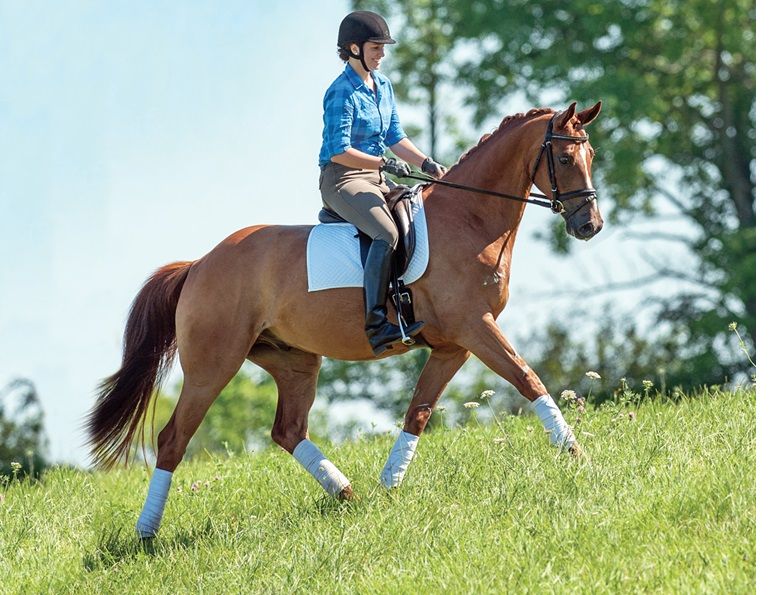
If your goal is to be quickly and consistently in the winner’s circle, full-time training is a sound investment. If you find satisfaction in the process of training your horse more than in achieving results in the show ring, doing it yourself may be the way to go. Photo: Peter Bruce
Rider C. Barb keeps her horse at home. Though she has no aspiration to compete with her horse, she does value honing her abilities as a rider and teaching her horse new skills. By attending clinics, she’s discovered new ways to enjoy her horse and new training techniques; when she gets stuck, she trailers to a coach she respects to take a lesson. Why does Barb choose this option? She values the relationship with her horse and the process of riding and training more than competition.
Related: Equitation Essentials - The Hows and Whys of a Winning Riding Position
Though I do recommend seeking professional input in some form for amateur riders, how much input varies according to experience, preference, and budget. There are benefits and drawbacks to each model.
The Benefits of Leaning on a Professional
Wisdom. As a trainer, having learned what works and what doesn’t from my experience with hundreds of horses has shaped a training system and philosophy of working with horses that I can pass on to others. In consulting a professional about an issue, a rider doesn’t have to reinvent the wheel. If your goal is error-free training — an easier option on your horse — the input of a trainer whose system you respect is worth the investment.

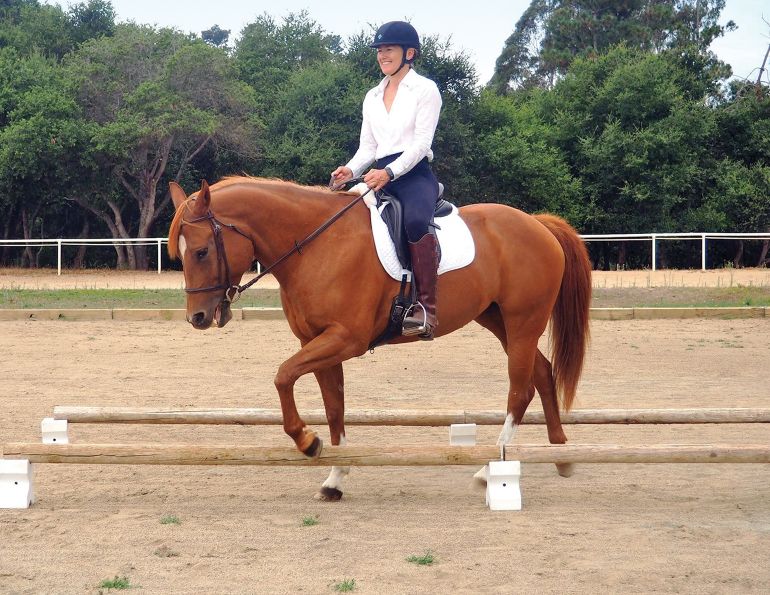
Those who opt for a trainer trust the leg-up afforded by a professional’s experience and oversight. Photo courtesy of Lindsay Grice
Timing. Knowing when to push and when to wait is a skill acquired, often by mistakes. I’ve learned from pushing a horse through and asking for more when I should have waited. I’ve learned that a horse in a tense or confused state of mind doesn’t learn. On the other hand, there are times I could have pushed a horse or stretched a rider beyond their comfort for more effective progress. Teaching includes testing. Riders benefit from a professional with a good sense of how and when to test.
Reflection. A coach is a mirror. In watching you ride and observing your horse’s response, a coach is your eye on the ground. When I coach, I speak back to the rider telling them what I see, choosing words as descriptively and simply as I can. I ask questions the rider may not think to ask. I point out strengths and inconsistencies, moments when their communication to their horse clicks and when it clashes.
Related: What Are You Good At? Horse Sport Psychology

A coach is a mirror. In watching you ride and observing your horse’s response, a coach is your eye on the ground. Good coaches teach life lessons alongside riding. When all a rider sees are the mistakes, a coach helps them consider the “next times.” Photo courtesy of Lindsay Grice
Perspective. As a coach, I value putting the successes and failures of riding lessons and horse show classes into perspective. Both are learning opportunities.
- The horse’s perspective: It’s easy to get so caught up in our equestrian goals, we lose the perspective that horses don’t share our goals. I help my students grasp that horses can be agreeable participants in achieving our goals if we appreciate the science of horse behaviour and learning — by delivering our aids clearly and thoughtfully.
- Life perspective: Though wins spur us on toward the next chance to ride or compete, when all a rider sees is the mistakes, a coach helps them consider the “next times.” Seen through a larger lens, even a slump is just a detour on life’s road: This too shall pass. Good coaches teach life lessons alongside riding without stirrups. When the dust has settled and the rider is ready to receive it, I try to help my student see the humour in the oops moments.
Resources. On a practical note, a professional has all the stuff that comes with their farm and their profession:
- A peer group: Fellow riders to chat with and practise with; equestrians on the same journey, guided by the same training philosophy.
- Tack: A library of bits to experiment with; equipment to try before you buy.
- Good footing: An outdoor ring and possibly an indoor arena.
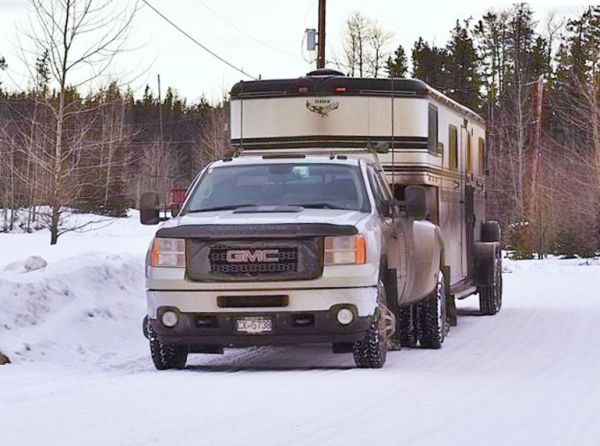
- A horse trailer: Even for the non-competitive, having access to ready and experienced transportation to get to trails, a horsemanship clinic or even a vet clinic is a bonus.
The Benefits of Doing It Yourself
- Developing your eye. I have learned so much by watching horses. I’ve studied them in the pasture interacting with their herd mates, from the hub of a lunging circle, from the saddle, and from the horse show ringside. An observant rider, overseeing the day-to-day care of her horse, learns to recognize equine body language and subtle gait irregularities. She notes the positive or negative effects of feeding changes and of farrier adjustments.
- Developing your feel. It’s hard to deny that experimenting has its value. Personally, some of my greatest gains as a horsewoman have come from taking a concept I’ve acquired in reading or from a respected professional and experimenting at home until I’ve adapted it into my program. I’ve sure made mistakes nonetheless, but success comes from taking risks and sometimes failing. I’ve learned through trial and error to evaluate measured risks as those 80 percent likely to succeed.
- Independent thinking. As a young rider I’d learned to ride a course, often stride by stride, through my coach. Outside leg! More pace! It was in training horses on my own that I learned to really think for myself, problem-solve, and come up with a Plan B.
- Fitness. If you want to develop a secure position as a rider, putting more miles in the saddle is the way to go.
- Tools and tech available. These days, technology makes it easier to ride without a coach. With a wealth of published equine research and online video tutorials, information is a click away. Every smart phone has a video camera, and you can recruit even the non-horseperson in your life to capture your ride. Not many of us enjoy watching ourselves on video but if we can get past that, we’ll glean the benefits of seeing something for ourselves and make specific changes.
Related: Earning Your Spurs: And Using Them Wisely in Horse Riding

Experimenting on your own has its value. In training horses on my own, I learned to really think for myself - to problem-solve; to come up with a Plan B. Photo: Peter Bruce
Some Drawbacks of Riding Independently
Slower progress. As a self-reliant rider, you may reap the benefits of all your hard work later than your trainer-hiring competitor. Your progress may be slower, and you may have more bumps along the way. Though prudent to be budget conscious, consider that it can be false economy to do all the training yourself. A skilled professional has learned over time and from working with a variety of equine personalities to avoid mistakes in timing and technique that slow down a horse’s education. Misjudgments in training, particularly with green horses, can cause things to get worse before they get better.
Over practicing. Riders with a strong work ethic, competitive nature, or simply a love of spending time in the saddle may be inclined to do too much of a good thing. Simply logging miles on the training odometer is a sure road to a sour horse. Rehearsing repeatedly in the warm-up ring without a wise professional suggesting it’s time to quit can mean leaving all the best jumps and spins in the practice arena. As a coach, I’m mindful of the balance between what benefits the rider and what benefits the horse. Unlike bikes or boats, the tools for equestrian sport live, breathe, and think!
Related: Equine Learning Theory: Why Every Rider Needs to Understand It
Qualities of a Good Professional
If you opt for the input of a coach or trainer full- or part-time, here are some features to look for:
Communication. A skilled trainer may not be a gifted riding coach. Nevertheless, they should be able to communicate their techniques clearly to the horse owner. In fairness to your horse and to get value from your training budget, the takeaway from sending your horse to training camp is to replicate the language your professional speaks to your horse.

A good trainer communicates their techniques clearly to the horse owner. In fairness to your horse and to get the most from your training budget, the take-home value from sending your horse to training camp is to replicate the language your professional speaks to your horse. Photo: Peter Bruce
Knowledge. A good horseman must have a working knowledge of equine behaviour, welfare, and equine learning theory. They won’t be stuck in the rut of tradition — it’s always been done this way — but rather, will train or coach according to how horses learn best.
Flexible. When encountering a roadblock or behavioural issue, they’ll try another approach or break down a lesson into simpler steps. Good coaches have a plan B or C in their pockets if plan A doesn’t solve the problem. They’re flexible, within reason, to meet their clients’ schedules and learning styles.
Successful. A good professional may not necessarily be in the winner’s circle but has had good and lasting results with multiple horses and riders time after time.
Should you recruit the help of a trainer or the guidance of a regular coach? Among other considerations, mull over whether you enjoy the day-to-day management of horse ownership as much or more than the goal setting and anticipation of competition. Do you find satisfaction in the process of training your horse more than in achieving results in the show ring? Independent riders may glean more pride from the perseverance called for in having done it themselves — the long hours, wet saddle blankets, and familiarity with every aspect of their horse’s care.
If your goal is to be quickly and consistently in the winner’s circle, full-time training is a sound investment. Weigh the options or perhaps come up with a part-time compromise that works for you and your family.
Related: Equine Boarding School
Related: Back to Schooling Horses - Mistakes, Mishaps, and Misbehaviours
Main Photo courtesy of Lindsay Grice

Blogs & Podcasts

Advertisement

Related Articles

Advertisement
Featured Stories







Advertisement
