

Fitness for Senior Horses
Updated:
June 11, 2026By Jec A. Ballou
A daily anxiety for many owners of senior horses is that there may be little time left for the riding and activities they have enjoyed until now. As a horse approaches and then passes the age of 20, good rides start to feel numbered. The swayback, gait irregularities, lack of energy… these outcomes seem to be only a matter of time. And without clear reason to do so, many owners start backing off, easing the horse into retirement. Ironically, this approach usually hastens a horse’s decline instead of delaying it.
Like us, senior horses need exercise to offset the effects of aging. They need it not only for gait comfort and soundness but also for general health such as gut function, healthy hooves, joint lubrication, and neuromuscular maintenance. Recent studies have shown that pasture retirement alone fails to sustain these systems as much as consistent structured exercise. Inactivity often accelerates decline.
I tell my students: Treat them like old horses and they will become old horses. Along with pain management, exercise plays a primary role in preserving soundness and mobility. If you treat them like athletes that require certain considerations but not a complete disappearance from the limelight, you will ease them through the changes that could otherwise sideline them.
Related: Healing the Injured Horse with Fitness
Related: How to Build a Successful Rehab Program for Horses with Undiagnosed Pain
Those changes involve several systems — musculoskeletal, cardiovascular, neuromuscular, and metabolic. The most visible of these is the natural loss of muscle as hormones shift. Also, the fast-twitch muscle fibres responsible for anaerobic or high-intensity outputs transition to being capable of only low- to moderate-intensity aerobic efforts. In other words, the horse loses its capacity to do high-intensity activity. However, it now has even more slow-twitch muscle fibres capable of low-intensity exercise.
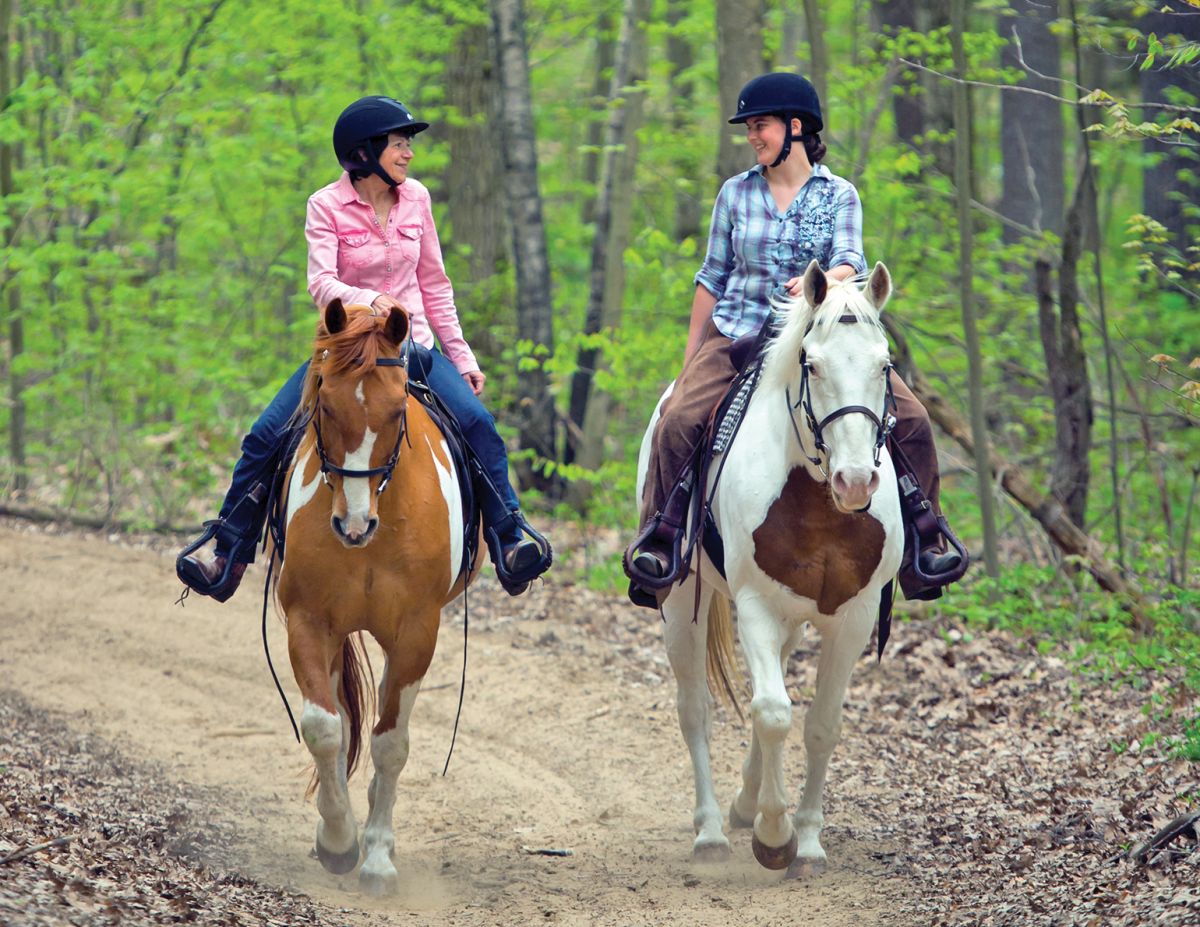
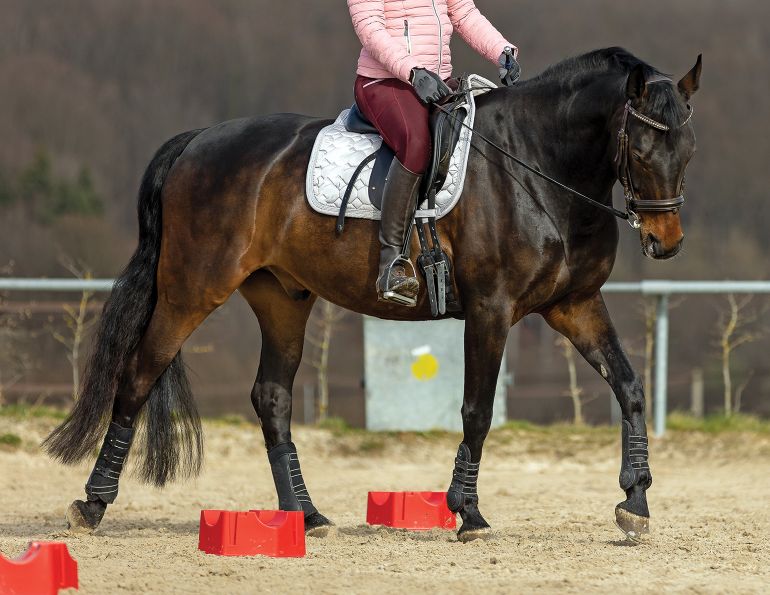
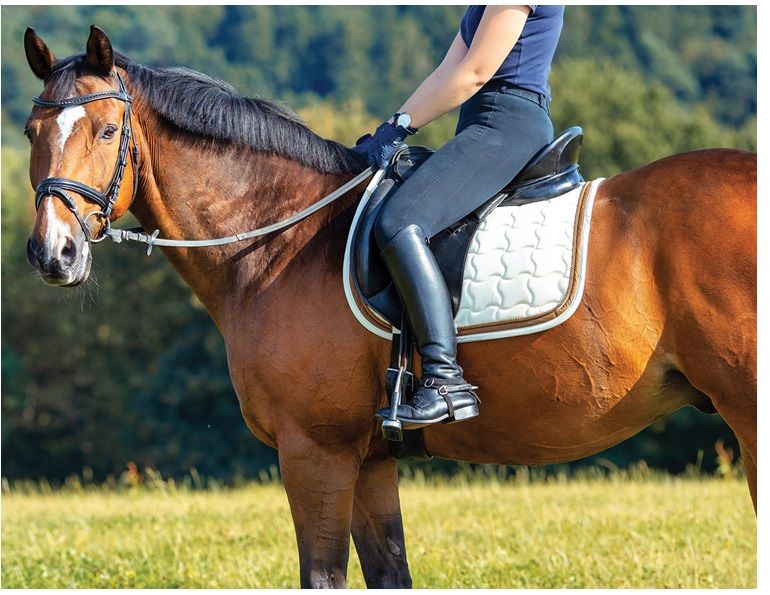
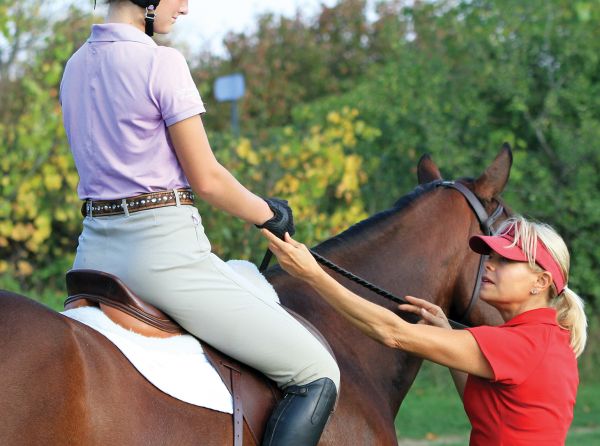
If your senior horse is exercised regularly, don’t change their schedule until there is a reason to do so. By investing in a heart rate monitor to provide real-time readouts during exercise, you can determine if your horse is finding the work harder as time goes on. Photo: Clix Photography
Avoiding high-end efforts (gallop sprints, fast hills, jumping, rodeo sports) prevents the horse from being unduly taxed and failing to recover from exercise the way they used to in their first 15 years of training. Replacing these with low-intensity efforts maintains activity in the remaining muscle fibres.
Related: Dressage for Gaited Horses: Unlocking natural movement
Related: How to Safely Condition Young Horses
If your senior horse is currently exercised regularly every week, do not change their schedule based solely on their birthday. There will come a time to adjust but wait until there is clear reason to do so. Remember, if you preemptively treat them like old horses, the declines of aging come even faster. Do not stop hitting the hills until the horse demonstrates measurable indications that they are struggling to manage them, such as repeatedly stopping, losing their footing, or having an uncharacteristically high heart rate.
Speaking of heart rates, occasional measurements can provide useful data in cases where it seems as if the horse is beginning to find a particular task harder than it used to. Heart rate monitors are easy to acquire and provide real-time readouts during exercise. This allows a rider to determine if the horse has simply lost enthusiasm for sustained canter sets, for instance, or is lagging because their heart rate is quite a bit higher than it was six months or a year ago.
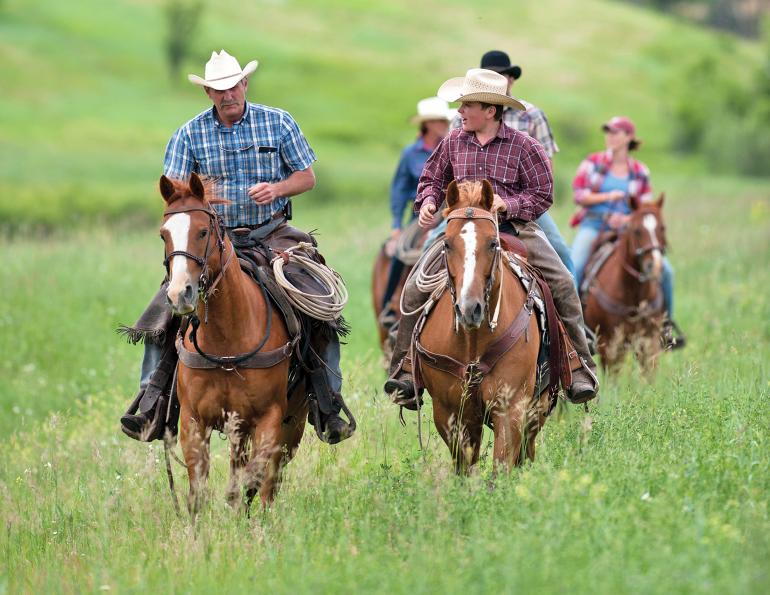
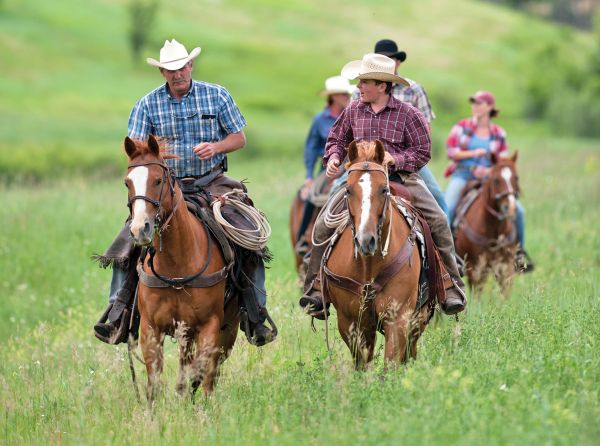
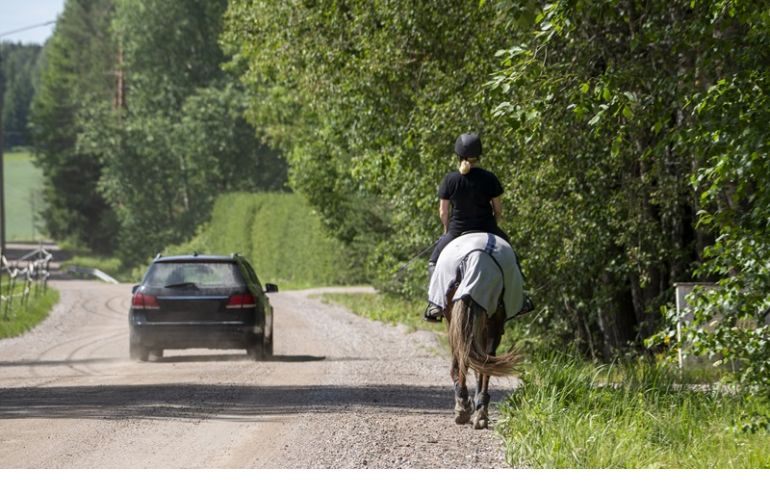
Several years ago, a couple in my barn asked if they should limit their trail rides since their horses were in their mid-20s. I asked if their horses had given them indications that things felt harder. Were they struggling on hills? Stumbling on the footing? Horses are pretty good at telling us how they are doing if we listen. That same couple has continued to listen and make modifications, and they are still riding trails (albeit mostly flat ones) for one hour three times a week. Their horses are now in their early 30s.
Each senior horse will have its own timeline and unique exercise modifications, although most will need attention to the temperature. Seniors tend to struggle with thermoregulation and can find warm or humid weather especially taxing. In addition to stopping high-intensity exercise, other common alterations include changes to terrain and the structure of workouts.
Arthritic horses, for instance, should avoid hard footing. Horses that take a long time to recover should do shorter sessions than younger counterparts. Excessive joint flexion (steep terrain, cavalletti) should be minimized when range of motion is a problem. Most require warm-ups that are nearly twice as long as when they were ten years old.
When individualizing helpful modifications, the general unavoidable principles for seniors are:
- Prioritize consistency over intensity
- Avoid sustained activity disruptions
- Provide longer warm-ups and cool-downs
- Replace high-intensity routines with occasional “moderate-intensity” ones
The postural and metabolic changes seen by many aging horses are best combatted by frequency of structured exercise as opposed to intensity or duration of single sessions. In addition to as much turnout as possible, seniors can, and often should, do three to five sessions per week. These outings might be mellow and brief at about 30 minutes in length, but what matters is that they happen week after week.
Sustained disruptions of activity, or time off, lead to swings in their baseline fitness by altering oxygen utilization, neuromuscular signals, and metabolic regulation. These vacillations tax the senior horse and often contribute to lameness.
As muscle fibre types shift and anaerobic capacity declines, high-intensity exercise can be replaced by occasional moderate-intensity intervals. While most of the senior’s exercise will gradually become slower and easier over time, it remains important to include some exposure to slightly harder exercise. “Hard” in this context differs significantly from the exercise intensity of a young horse.
These efforts should feel “comfortably hard” for the horse, a bit challenging but not depleting. The purpose of this work once every week or two is to slow down muscle loss by recruiting muscles at their current sustainable top-end effort while triggering a response from growth hormones. There is also evidence that these harder efforts preserve bone density. Depending on the horse, light canter intervals in an arena might fulfill the requirement. For those no longer able to canter, several rounds of brisk trotting can do the trick.
As you look ahead with your senior horse, your primary task is to stay vigilant about consistent exercise and avoid large disruptions. Do not dial back training until you have a clear reason to do so. Just because a horse can no longer do a discipline at a certain level of performance does not mean that all exercise should be avoided. There are numerous ways to move a horse’s body. We now know that light structured exercise improves a senior’s life.
Related: How to Keep Your Horse Fit Without Riding
Related: Senior Horse Wellness: Keys to Helping Your Older Horse Thrive
WATCH this Webinar: Aging Athletes: Exercising Senior Horses, with Jec Ballou and Lynn Acton
Photo: Clix Photography
Blogs & Podcasts

Articles by Trainer
Advertisement

Related Articles
Advertisement

Featured Stories


Advertisement