Schooling

how long should i train my horse daily, equine physiology, horse training with jec ballou, types of exercises for my horse

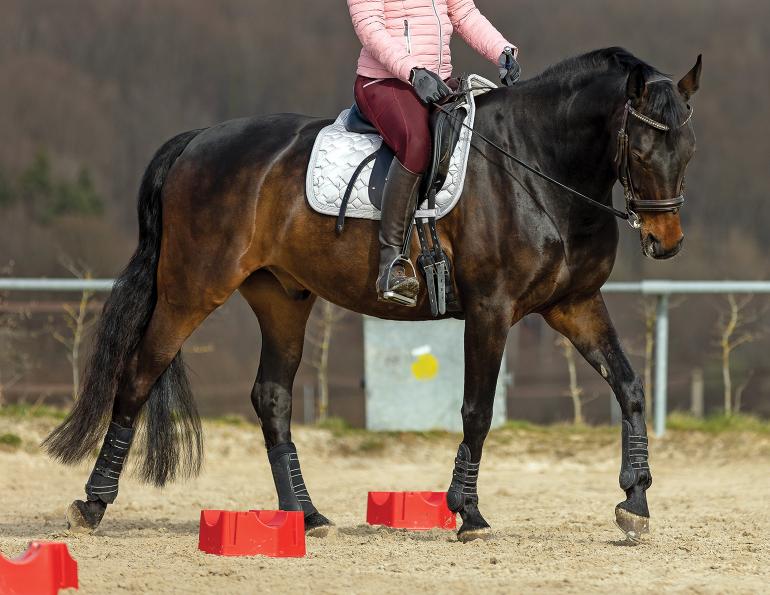
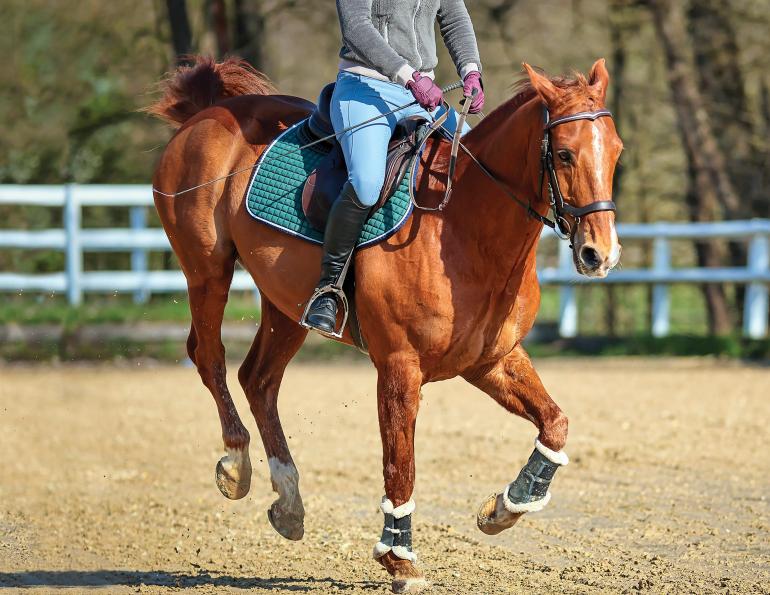
Fitness contributes to far more than aesthetics and performance, making it a constant goalpost for domesticated horses. In terms of health and well-being, it serves a protective role, safeguarding from illness and injury. But how long does a horse need to exercise daily to reap these benefits?

Jonathan Field pushy horse, how do i control my horse, how do i stop bad horse behaviour, horse to behave, hold and wait horse, horse yield

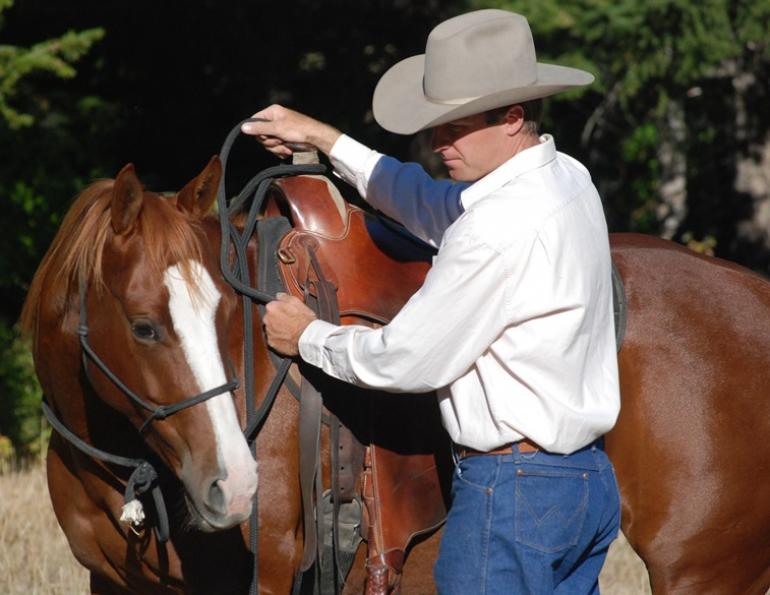
You are who your friends are. That adage can apply to horses, too. How we treat them will often be reflected right back at us - for good or bad. Sometimes the difference between a harsh cue and an appropriate one can be subtle. Pressure can be effective, but intensity and timing can make all the difference.

horse training options, riding with a trainer, do it yourself horse training, equestrian coaching advice, amateur rider development, horse riding lessons, equestrian training models, choosing a horse trainer, independent riding, riding without a coach

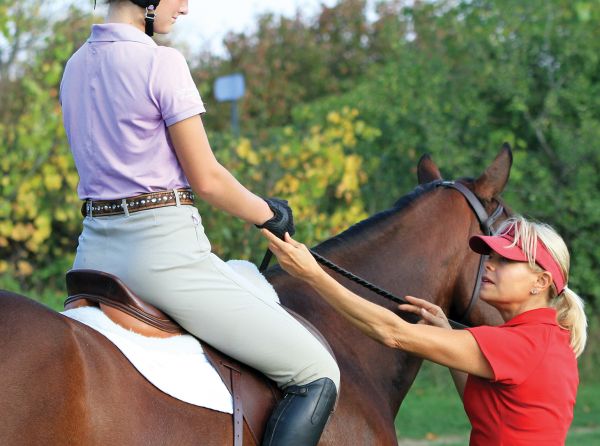
Do it yourself, hire a pro… or something in between? Competitive and non-competitive, some horse owners choose to lean on a professional; others choose to do their own work. Those who opt for a trainer trust the leg-up afforded by a professional’s experience and oversight.

jec ballou training, how to get my horse fit, best surfaces riding horses, best footing horses, injuries horses, is sand good horses

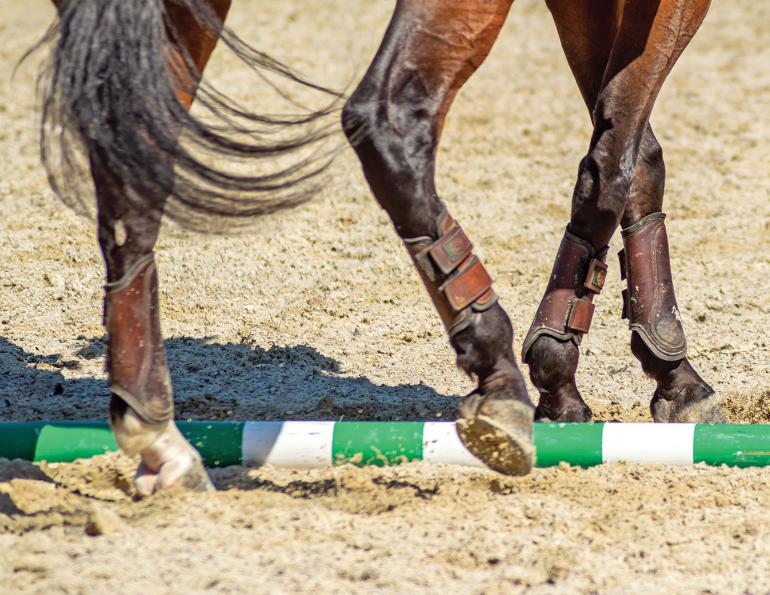
Without access to multiple riding surfaces, many horses plateau in their fitness or get stuck in a state of physical discomfort. In fact, different footings can play such a big role in any horse’s conditioning that there is an industry adage for it: there are no poor surfaces; only poor use of surfaces.

dressage for gaited horses, gaited horse training, Icelandic horse tölt, Tennessee Walker training, Foxtrotter gait issues, smooth gaits, horse soundness, equine biomechanics, dressage exercises, gait correction, North American horse owners

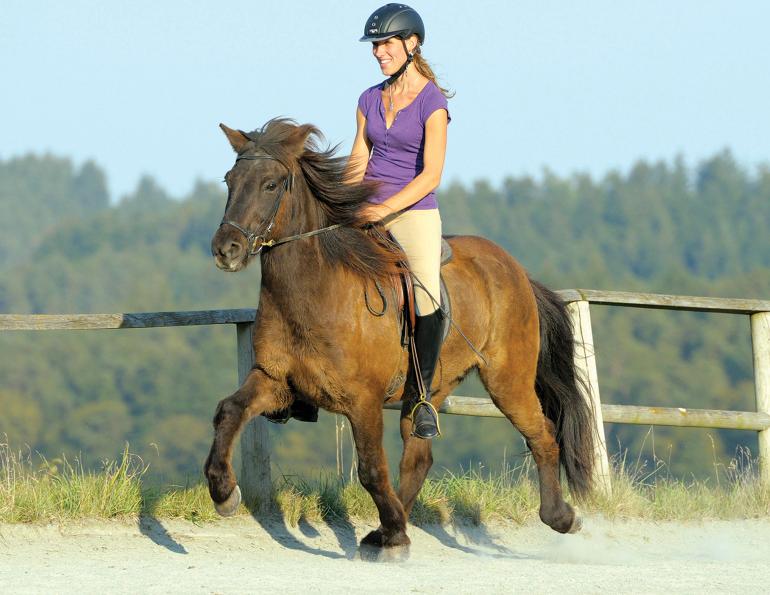
After many years as a dressage instructor and trainer, I received a phone call requesting help for an unlikely candidate — an Icelandic mare whose natural gait had disappeared, replaced by a shuffling amble-like movement. Little did I realize how many other gaited horses — from Foxtrotters to Tennessee Walkers — would soon follow.

horse riding in extreme cold wewinter horse riding, cold weather riding, cowboy winter riding, riding in extreme cold, horse care in winter, equestrian winter conditions, riding horses in cold weather, winter horsemanship, cowboy life, working horses in winter

In my younger, tougher years, I was content to ride through almost any weather conditions. Riding was not just something I enjoyed; it was how I earned my living, and that sense of responsibility often outweighed comfort. Looking back, obligation frequently replaced enjoyment. As the years have passed, however, I have become much more of a fair-weather rider — or, at the very least, someone who no longer seeks out extreme conditions.

lindsay grice horse coach, horse needs a lot of leg, using the whip with a horse, using spurs horse, how much pressure should I apply horse

Who doesn’t love a horse with a laid-back disposition, the unflappable sort, unfazed by snow skidding off the arena roof? The downside of that laid-back horse is that he’s liable to be laid-back about his rider’s aids, too.

will clinging, horse training, horse behaviour, equine behaviour, horse psychology, equine psychology, horse journal, canadian horse, horse canada, horse sport, western horse, english horse, horsemanship

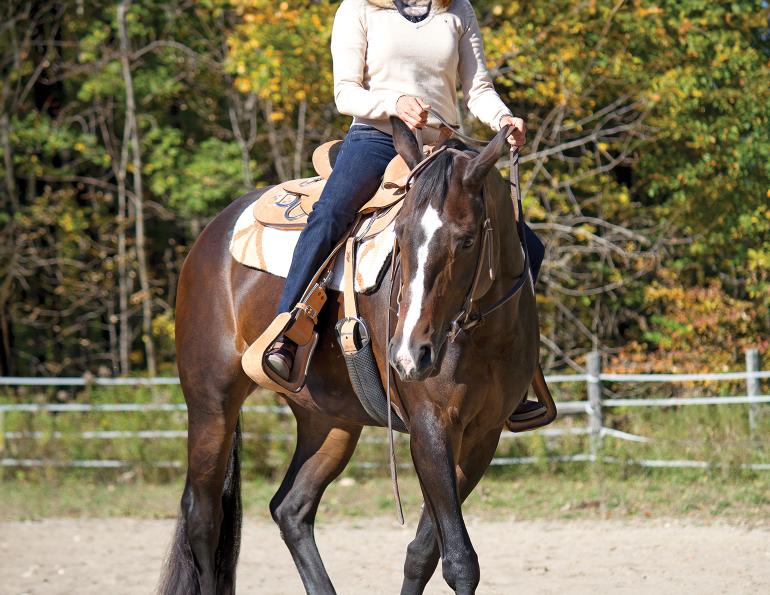
The timeline for training a horse varies widely—both between individual horses and the people working with them. In my experience as a trainer, I firmly believe that slowing down the process actually accelerates learning. Horses not only absorb information more efficiently, but they also gain confidence in the process. Confidence, or lack thereof, plays a major role in how steadily a horse progresses through training.

prepare a horse for show, develop skills horse, refusal horse jump, lindsay grice, groundwork horses, downtime horses

Rebuilding After Setbacks - The end of the horse show season is time for evaluation. What went well? What would you like to change? Competitors entering the next horse show without reflection often revisit mistakes like a Groundhog Day time loop.

workin equitation side pass, rein-back horse, leg yielding horse, horse seems stuck, Sidepassing a horse, horse crossing legs, horse soft contact, lindsay grice horse training, backing obstacles with horses, sidepass obstacles with horses

The popularity of obstacle disciplines is growing. These include Working Equitation, Mountain Trail, Show Trail, Ranch Trail, and Extreme Cowboy. Riders tell me the appeal of obstacles is a change and challenge from dressage circles or the Western pleasure rail. Others are opting out of jumping for a less risky challenge. An eventing coach friend calls Working Equitation her “Senior Eventing” — the three-phase format with the precision of obstacles in place of jumps, and yet with the fun of a speed phase. Many obstacle events offer in-hand options so folks can get out with younger horses not yet ready for ridden obstacles.

Pages