Eventing

teaching a horse self-carriage, horse bulging on circle, horse not responding to rein aids, horse riding a circle, proper alignment horse circles, lindsay grice horse training

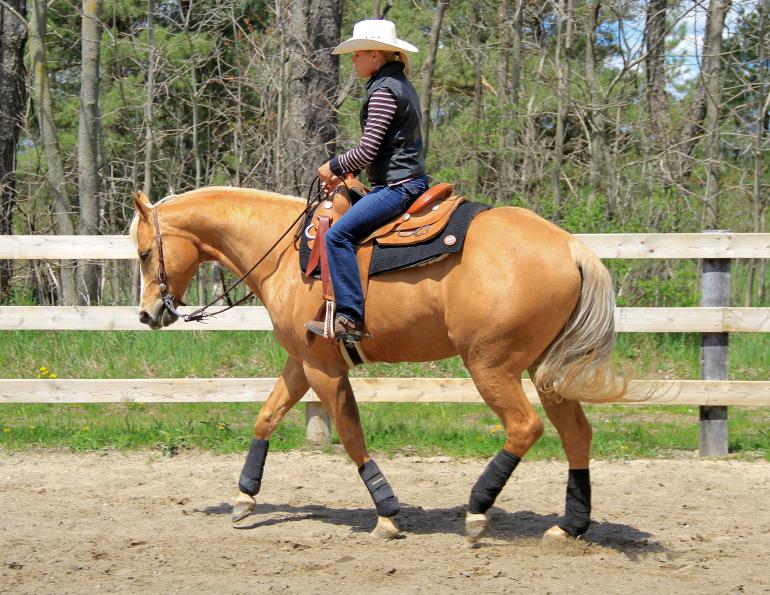
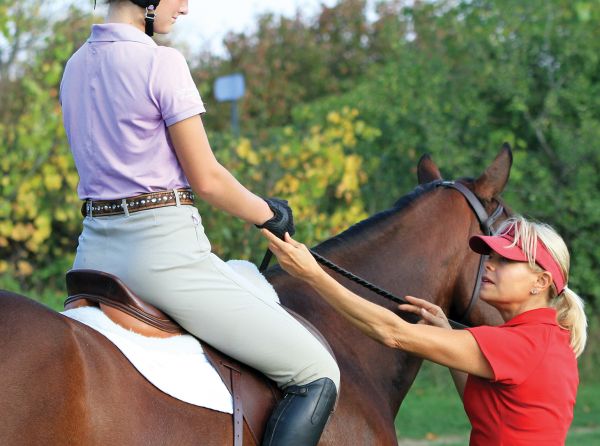
Keeping Circles on Track - The equestrian’s quest for the perfect circle crosses all disciplines. For Western and English riders, geometry matters. Horse show judges expect to see circles of uniform size and curves ridden with the horse’s body shaped to follow the arc. In dressage and reining, riders must show a clear distinction between large and small circles. In working equitation, circles around barrels and figure-eights must be symmetrical. In equitation and horsemanship patterns, judges frown on oval-shaped “circles.” In all classes, judges will deduct marks for circles of inaccurate size and over-arced or counter-flexed body alignment.

horse exercises for lightness, lateral poll flexion exercises, schaukel horse training, jec ballou horse trainer, ground pole exercises horses, improving contact with horses

While it might often be spoken about in artistic, aesthetic, or even philosophical ways, lightness — both of movement and also of communication with horses — is more than an abstract ideal. In many ways, it measures a horse’s current physiological capabilities.

canter lead, correct canter lead, horse picks up wrong lead, lindsay grice horse trainer, my horse doesn't canter right, exercises to improve canter

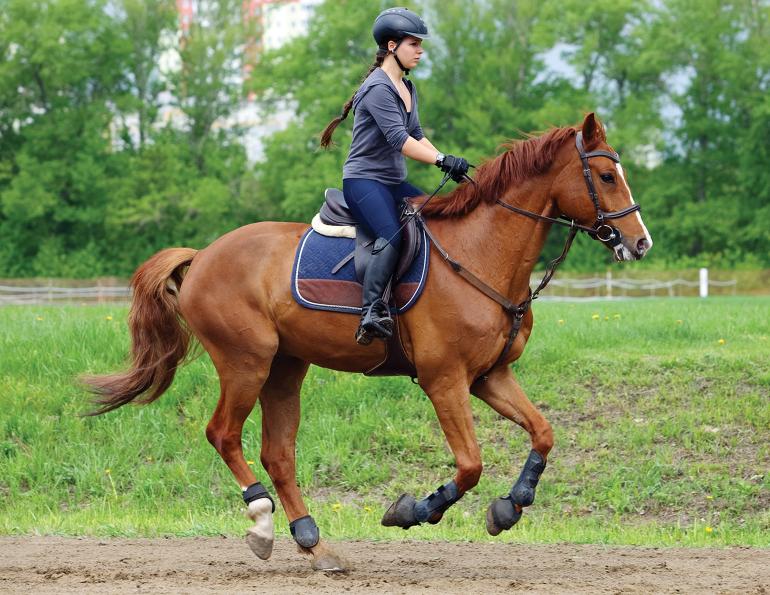
Every Time, Everywhere - Wrong lead! It’s one of the earliest alerts a young rider hears from her coach. One’s heart sinks to hear that same alert from the coach calling over the show ring rail. The novice rider learns the outside leg back and kiss cue to canter but I’ve found that riders are often unsure why they should use this cue. Let’s break it down. We’ll review the phonics of teaching your horse to pick up the correct lead and some hints to help the rider recognize it.

horse saddle fit, properly fitting saddle, how to tell if my saddle fits, does my saddle fit correctly? schleese, saddlefit4life

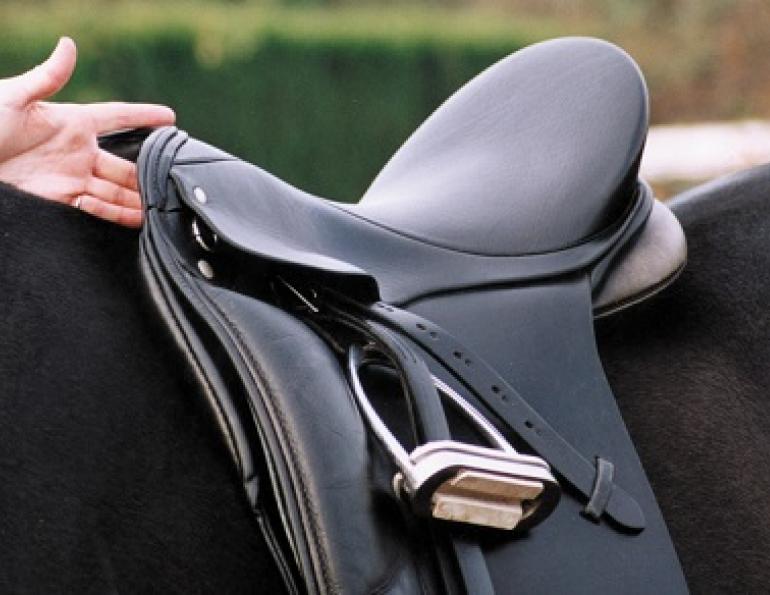
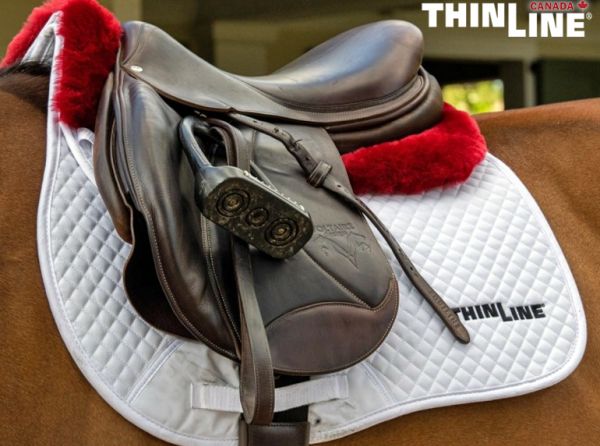
Q: I ride a Thoroughbred with a moderately roached (convex or round) back. How should I determine if my saddle fits correctly? A: The nine main points of saddle fit are absolutely common to all saddles and all horses – if you want to determine whether and how well your saddle fits, these points should be considered, and each of these points has video instruction on our website at www.saddlesforwomen.com.

gymnastic horse jumping, adjust horse's stride, horse jumping, horse jumping exercises, brian mortan, show jumping, shorten horse's stride, lengthen horse's stride, horse impulsion, horse engagement

Accomplished show jumper, horse trainer, and resident rider at Spruce Meadows in Calgary, Alberta, Brian Morton’s defines collection as "the shortening of the horse's outline and stride, with increased impulsion and engagement from the hind end." He emphasizes that "If you are not able to shorten your horse’s stride, you will never be able to get a horse to fit a stride into a line that is set short. And, if you lose the impulsion when you shorten the stride, you will never be able to produce a powerful round jumping effort off a short distance.”
schooling horses, lindsay grice, how to practice for horse show, beginners exercises horse, side pass horse, trail obstacles horses, horsemanship, riding coach

Do you sometimes yourself leaving the mounting block, fixing your stirrups, and unsure of what to focus on in your next training session? When your coach asks about your progress since your last lesson, do you often admit that you’ve mostly just been riding without a clear goal in mind?

five rein aids horses, bearing rein aid, , opening rein aid, pulley rein aid, indirect rein aid, direct rein aid, riding horses rein aids, sarah mellings, ec certified coaches

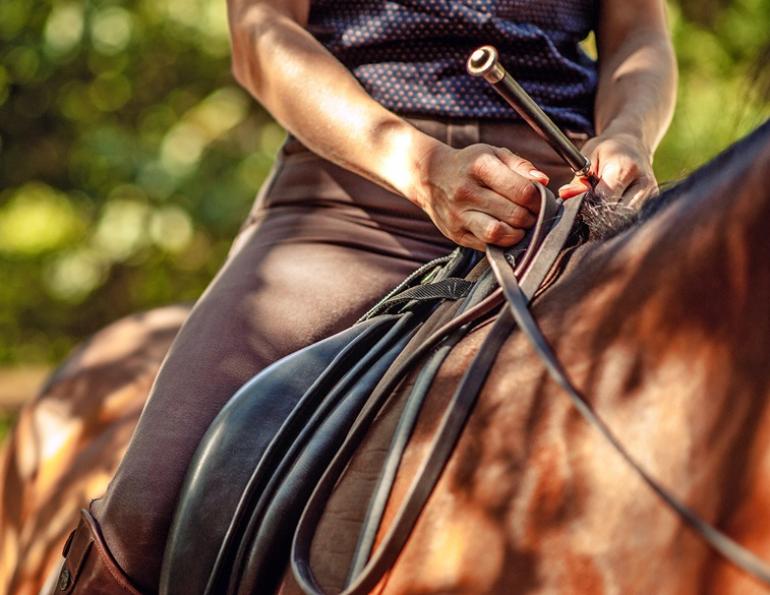
Whenever I coach a new group of riders at a clinic or in a lesson, I am always surprised at how few people can tell me the five different rein aids and the purpose of each. Therefore, it is always a question I like to throw out to the group. I usually see people looking down and moving their hands around, some vague stares, and the occasional rider being able to describe at least one or two of the five.

evolution of ponies, riding ponies, training ponies, children and ponies, nikki alvin smith, what to look for in a pony, my pony bites

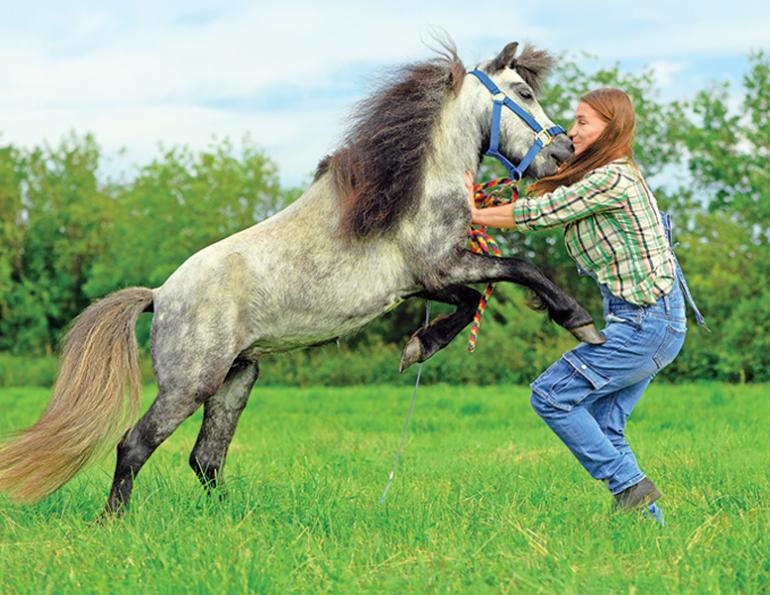
Sadly, ponies get a lot of bad press. Even so, their reputation as being lazy, stubborn, and difficult to train, plus their seemingly inherent displays of poor behaviour, have less to do with their innate nature and more to do with a lack of training.

Kendal lehari three-day eventing rider, how to succeed as a horse rider, Canadian equestrian athletes, successful Canadian horse riders, tracy vollman Canada's world equestrian games endurance team, jim greendyk performance horses

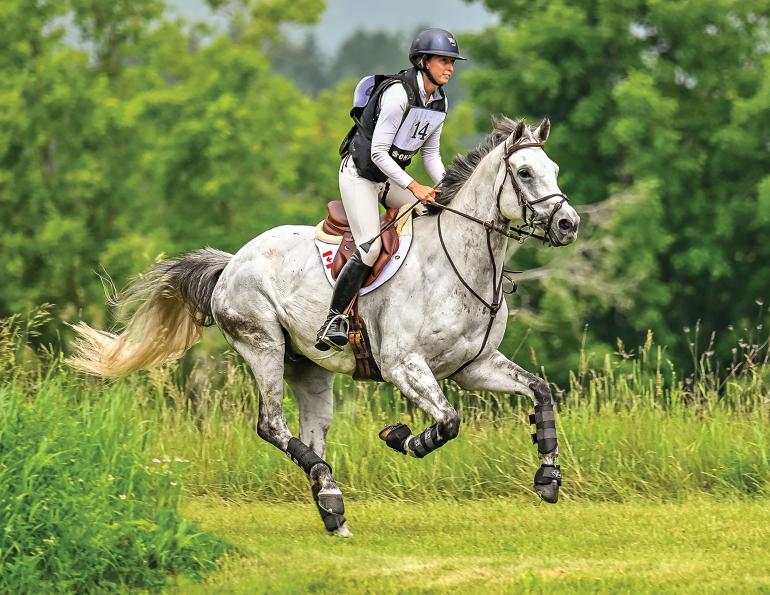
Canada is a massive country, with large distances between equine competitions and a relatively small number of upper-level equestrians. Hence, Canadian riders who want to be competitive at upper levels struggle to find enough higher-level competitions to advance their riding careers. Canada also has winter weather that precludes many riders from training outside for half the year. This can limit advancement and horse fitness. For example, three-day event riders can’t school cross-country jumps or get their gallop training in when fields are drifted with snow, nor can endurance riders do long rides on varied terrain.

canadian horse professionals, how to ride horses for a living, how to be a professional horse reiner, how to professional show jumper, how to professional dressage rider

The gap between amateur and professional competitors is common in Canadian sports. Weekend skiers have significantly less skills than athletes on Canada’s ski team. Amateur hockey players don’t make Canada’s Olympic team. It’s the same in horse sports. Tiers of riders have developed as equestrian sports have become more technical. Upper-level horse sports are primarily the purview of professional and elite riders while amateurs play at lower levels.

Pages