Niblock, Shelagh Articles

hay testing for horses, forage analysis horse hay, how to sample hay, horse hay quality, equine nutrition forage testing, hay nutrient analysis, buying hay for horses, horse forage management, testing hay for nutrients

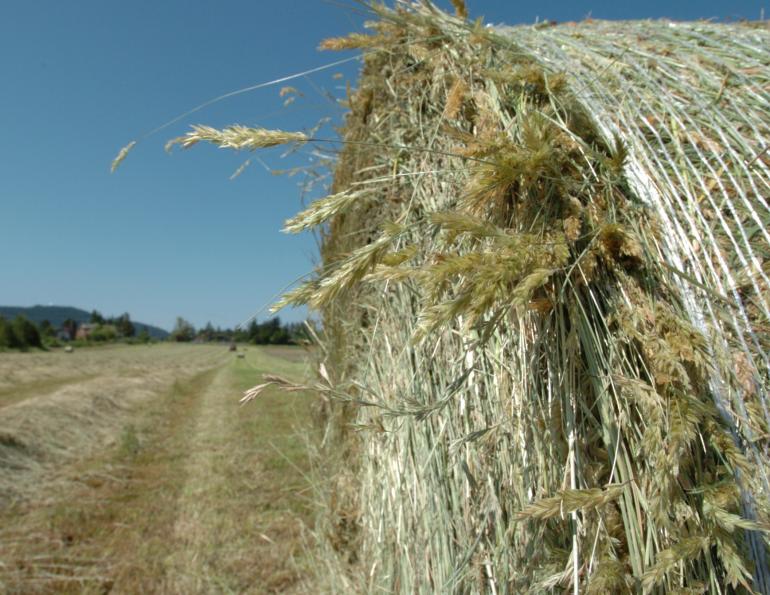
Buying hay for your horse can be a challenge whether you buy it a few bales at a time or purchase a year’s supply when it becomes available in the summer. Supply, price, and quality have always been important parameters to consider when buying hay for horses, but now, more than ever before, horse owners are becoming aware of the importance of the nutritional components of the hay they feed.

horse hoof health, improving hoof quality, brittle hooves in horses, horse nutrition for hooves, farrier care, hoof cracks and fissures, horse husbandry, preventing lameness, hoof growth support

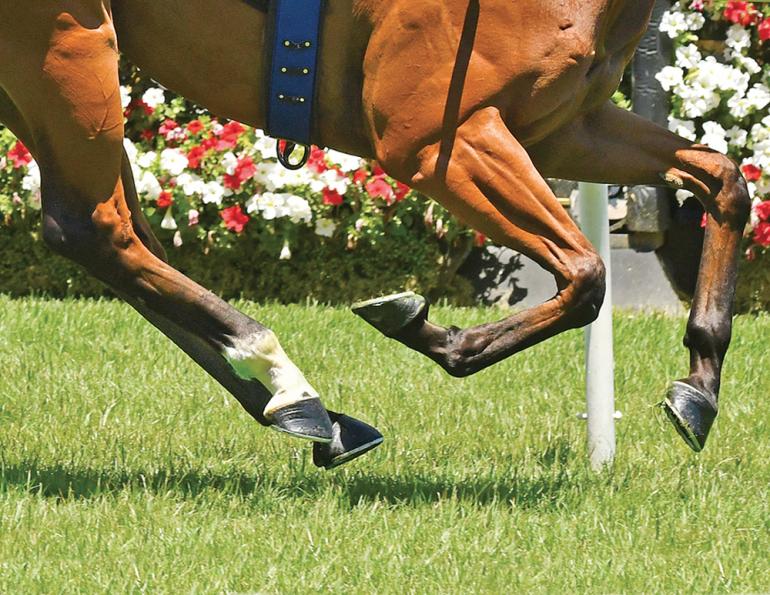
The familiar saying “No Hoof, No Horse” remains a stark truth for owners managing ongoing hoof concerns. A 500-kilogram horse relies entirely on four relatively small structures to bear substantial bodyweight. When the added impact of athletic effort — such as galloping — is considered, each hoof may absorb forces approaching 3,000 pounds. Horses prone to cracks, splits, or brittle, flaky horn quality are often sidelined with lameness or repeatedly lose shoes, interrupting training and competition schedules. Anyone who has dealt with a horse that cannot retain its shoes understands just how discouraging compromised hoof integrity can be.

horse feeding myths, equine nutrition misinformation, feeding horses correctly, horse care myths, equine husbandry advice, horse nutrition facts, social media horse advice, evidence-based horse feeding

There was a time when researching a question meant visiting a library and consulting trusted reference books. Horse owners seeking guidance on feeding or management would turn to well-worn volumes on their shelves or flip through back issues of equestrian magazines saved for future reference. Information required effort to obtain, and sources were relatively limited.

winter horse feeding, loose manure in horses, horse diarrhoea winter, hay diet horses, hindgut fermentation horse, equine digestion, winter horse management, feeding hay to horses, chronic diarrhoea in horses

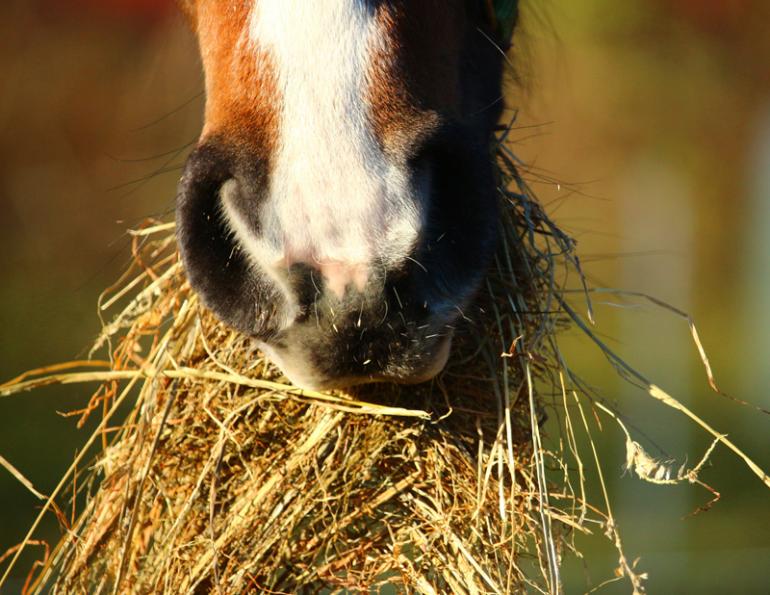
During the switch to a 100 percent hay diet in the fall of the year is when many horse owners first notice that some of their horses are getting loose manure. The situation can quickly evolve into a management mess where one or more horses are so loose they can spray fecal material on the walls of the stall when they pass manure. Winter grooming becomes a major challenge for those who care for these horses as they struggle to keep tails, hocks, fetlocks, and equine clothing clean and free of encrusted manure.

utilize information on horse feed tag label, understanding feed tag label, understanding equine feed tag label

Horse owners in Canada know that opportunities for finding the perfect feed for their horse have probably never been better. Canadian horse owners have a multitude of feed manufacturers utilizing superior nutritional expertise to formulate an array of feeds designed to meet just about every equine need. With our increasing comfort using the internet and social media, all we need to do is sit down at the computer to find a feed that appears to best meet the needs of our horses.

how much iron horse, shelagh niblock, iron overload equine, iron supplements horses

Equestrians who pay close attention to their horse’s feeding program may have noticed a growing conversation around iron levels in equine diets. Concerns about “iron overload” are easy to uncover online, often linked to buzzwords like “oxidative stress” and “free radical damage.” Many blogs and nutrition forums point to high iron intake as a factor in various equine health concerns—from metabolic challenges and poor immune function to weak hooves, dull coats, and growth issues in foals. Numerous websites offer advice, and many promote supplements or detox products claiming to address excess iron. But what exactly is iron overload in horses, and is it something the average horse owner should be concerned about?

equine organic, natural equine, horse organic feed, should i feed my horse natural foods, shelagh niblock, horse evolution

Is ‘natural’ just a label in equine care? In today’s equine industry, the terms natural and organic are commonly used. While "organic" is a regulated label in equine product development and marketing, "natural" is not subject to the same standards. Horse owners must exercise greater caution when selecting "natural" products, as the term can be misleading.

ataxia California horses, equine  Vitamin E deficiency, shivers in horses, cancer horses, sleep deprivation horses, equine headshaking, ulcers horse eye

Vitamin E deficiency can lead to distinct health conditions; Shivers can occur in the front limbs, but only if the hind legs are also affected; A horse’s brain weighs 1.5 pounds, but is still one of the largest brains among land mammals...

equestrian dental care, dentists for horses, dental checkup for horse, horse veterinarians dental, shelagh niblock, how to care for horse's teeth

Much more than just floating teeth! Do you remember to get an annual dental exam for your horse? A dental check by your veterinarian involves floating, the process of filing a horse’s teeth to correct irregularities in the occlusal (biting) surfaces, as well as inspecting the teeth for any indication of a variety of other potential problems. In addition to examining the teeth for abnormalities that might cause chewing and/or bitting issues, your vet will also be looking for signs of fractured or loose teeth, as well as signs of ulceration on the cheek mucosa, the tongue, or the gums (gingiva).

equine code of practice, code of practice for the care and handling of equines, shelagh niblock equine nutritionist

Did you know that a Code of Practice for the Care and Handling of Equines (CPCHE) was introduced in Canada in 2013? It was developed with contributions from various organizations, including Equestrian Canada, the Society for the Prevention of Cruelty to Animals (SPCA), the Canadian Veterinary Medical Association (CVMA), and the Canadian Feed Inspection Agency, all under the National Farm Animal Care Council (NFACC). These partners continue to support the industry-recognized guidelines and standards for proper equine care outlined in the Code. Let’s explore what this equine Code involves.

horse vitamin e equine nutrition Shelagh Niblock, PAS sources vitamin E equine diet vitamin e supplements for horses, how much vitamin e does my horse need

Vitamin E is a fat soluble vitamin that is an essential nutrient in equine diets. Vitamin E functions largely as a biological antioxidant in the equine body, protecting tissues from the oxidative effects of free radicals. Free radicals are a natural outcome of cell metabolism but they can become excessive during conditions of hard work or injury.

what type of hay should i give horse, horse haylage versus horse silage versus hay for horses shelagh niblock

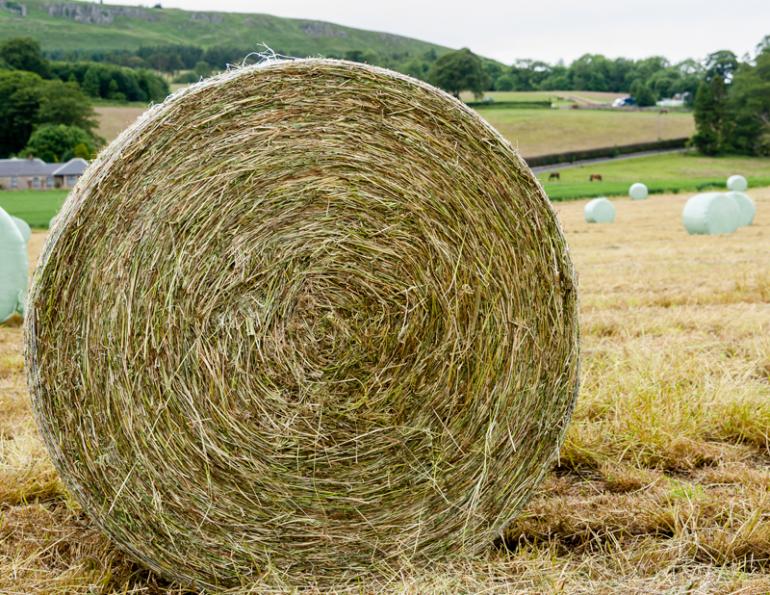
For the horse owner, the onset of fall weather can signal the start of the search for storable forage before winter begins. Considerations such as forage type and storage form, nutritional content, palatability, and cost all become important.

what should i feed a donkey, my donkey is underweight, donkey is fat, obese donkey, nutrition for donkey, supplements for donkeys, how much water donkey, types of diseases donkeys

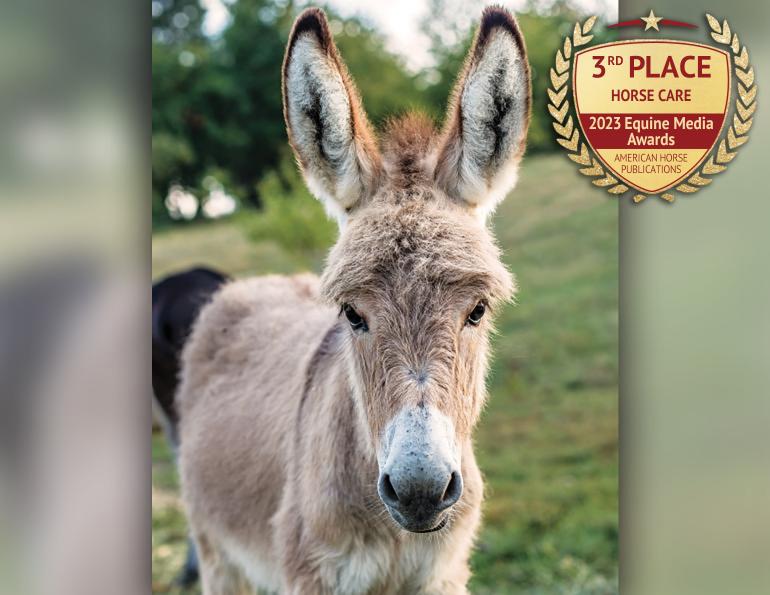
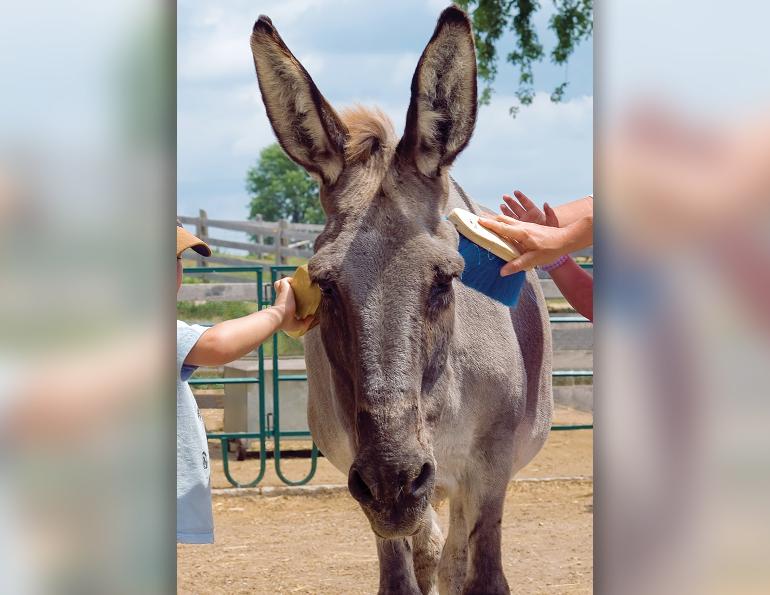
Everybody loves to see a donkey! With their large fuzzy ears and soulful eyes, they naturally tug at the heartstrings of horse lovers everywhere. Donkeys were first domesticated in Africa around 3000 BC. They evolved in desert areas and, consequently, developed as browsers that can adapt to poor quality feed and irregular water supplies. Their easygoing nature and hardiness made them ideal as beasts of burden in the hotter, drier parts of the world. Coming in a variety of sizes, donkeys and their hybrid offspring, mules and hinnies, range anywhere from Miniature donkeys of less than 35 inches in height all the way up to Mammoth Jack donkeys that can exceed 15 hands.

shelagh niblock horse nutrition, horse's diet ppid, equine cushings disease, tying up horse, metabolic conditions horse, pssm type 1 and 2 horses

Receiving a diagnosis of the condition behind your horse’s health or performance problem is usually a relief, but the satisfaction of getting the diagnosis can be quickly replaced by fear and uncertainty regarding what to do about it. Questions around both the long-term prospects for your horse and the costs involved to support the horse with such a condition can be daunting. Owners of horses diagnosed with special nutritional needs often feel bewildered and frustrated as they attempt to put together an appropriate management protocol.

best way to soak hay, horse feed management practices, how to find higher quality horse forage, advantages of steaming horse hay,

Horse owners have been wetting or soaking hay as a feed management practice for many years. Soaking hay for horses can be invaluable when feeding a hay that is a little dusty as a result of soil contamination or where it was stored in the barn. Horses that have allergies and are sensitive to the natural dust and particles in hay can benefit significantly from wetting or soaking hay.

shelagh niblock equine nutritionist, does horse need vitamin b? nutritional yeast horse, b vitamins horse, older horse supplements

Are you providing enough? Today’s horse owners are no doubt aware of the importance of vitamins in the diets of their horses, but many may not be aware of the role vitamins play in equine nutrition. Vitamins in their fresh natural form are organic substances found in grains and forages. They are important as cofactors, or facilitators, for different metabolic function, and deficiencies of them can cause disease conditions. Vitamins, unlike many of the nutrients we feed our horses, cannot be broken down for energy, and they provide no other nutrients to the horse.

nutrition for the foal, calcium for mare and foal, creep feed system, shelagh niblock, deveopmental orthopedic disease equines

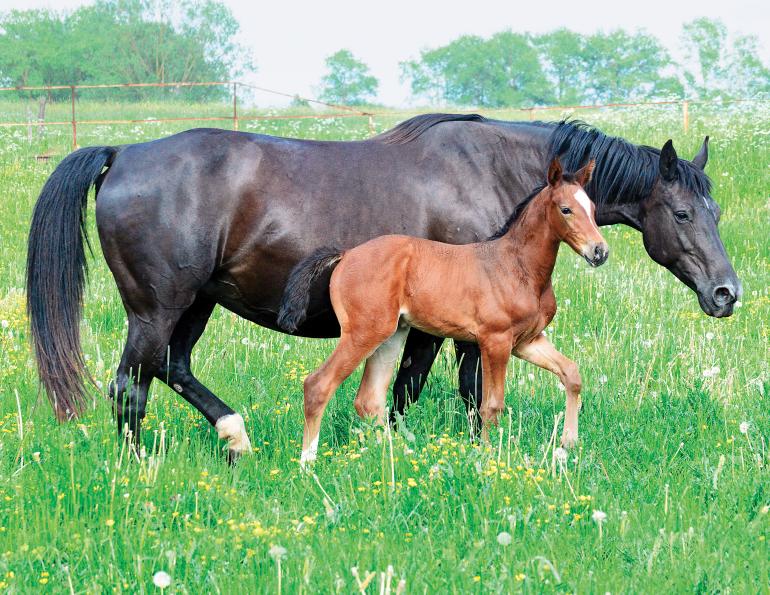
Managing Nutrition for Safe Growth in Young Horses - For any horse owner, the birth of a foal is always an eagerly awaited event. That baby, the product of the carefully planned mating of two superior parents, can elicit a range of emotions for the owner, including excitement and awe, but often anxiety and worry as well. One of the concerns the owner of a newborn foal may have involves the risk of the foal developing developmental orthopedic disease (DOD), which is a name applied to a group of conditions that can affect the growing foal, including physitis, acquired angular limb deformities, flexural deformities, cervical vertebral malformations, acquired vertebral deformities, and finally, osteochondrosis (OC).

rescue horses canada, homes for retired racehorses canada, greener pastures, wild horses of alberta, longrun thoroughbred, new stride equine retirement, thoroughbred aftercare alliance, horse welfare alliance of canada

Part of the solution for a commitment to equine welfare in Canada - The philosophy of our modern day society is often described as impermanence. Instant gratification through acquisition of “things” is a common theme in life for many and accompanying this is the reality that things which are no longer useful are readily disposed of.

fibre in horse hay, horse teeth, best hay for equine teeth, shelagh niblock, fibre horses

Why choosing hay for fibre content can be important - Horse owners are becoming very familiar with maneuvering their way through a lab report describing the nutrient content of hay. Terms such as dry matter (DM), crude protein (CP), water soluble carbohydrates (WSC), and non-structural carbohydrates (NSC) are routinely assessed by horse owners looking to buy a hay that works for their barn.

pmu industry canada, pmu horses for adoption, pmu mares for adoption, canada's equine ranches

Canadian breeders producing quality foals - North American horse owners may not be aware that Canada is the home of Linwood Ranch, an equine breeding facility that has generated peer reviewed research in recent years on subjects such as equine behaviour, equine welfare, stall design, and the requirements for lying down time for healthy horses. Linwood Ranch is a PMU or “pregnant mare urine” ranch in Manitoba, and is also where active research is conducted on many equine welfare issues affecting all of our horses.

Pages