


Wildfire Smoke - When is it safe to ride and compete?

Updated:
September 17, 2026Sponsored
Source: Acera Insurance
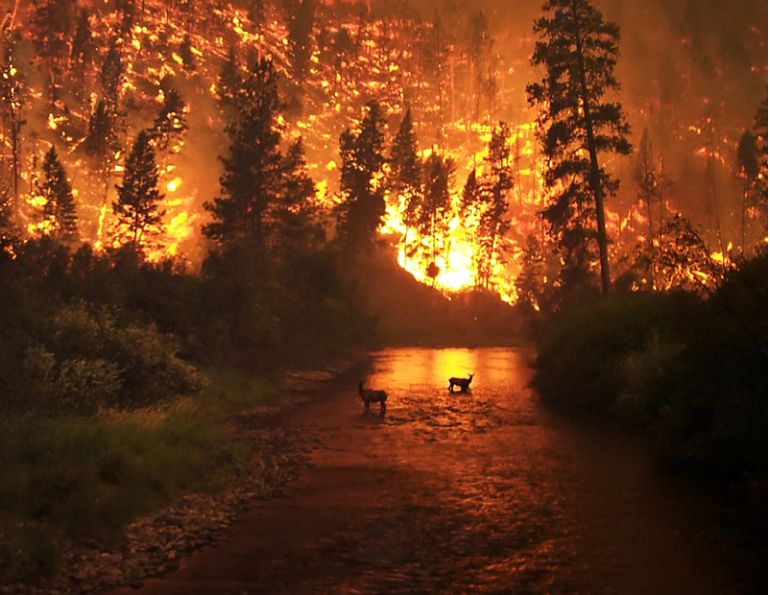
Wildfire smoke is a recurring reality for Canadian horse owners, and it’s likely increasing the prevalence of respiratory disease in horses across the country. Researchers have found that wildfire smoke produces measurable impacts to horses’ respiratory systems — including reduced aerobic capacity and lung function — even after air quality improves.
As smoke events become more frequent and severe, riders, horse owners, and event organizers are grappling with a difficult question: When is it safe to ride and compete?
The answer is complicated.
Vulnerable Respiratory Systems
During strenuous exercise, more than 2,000 litres of air per minute moves through a horse’s lungs. That means large quantities of smoke particles can be inhaled deep into the respiratory system and cause intense irritation. That irritation may cause coughing, decreased performance, and exercise intolerance. Long-term risks range from chronic airway inflammation to reduced athletic longevity and poor lung function.
However, wildfire smoke can impair respiratory function and athletic performance even when horses do not appear affected.
Who Decides When Horse Events Are Cancelled?
Equestrian Canada’s Guidelines for Equine Competition and Training During Extreme Environmental Conditions identify poor air quality as a welfare issue requiring risk-based decision-making.
However, there is no Air Quality Health Index (AQHI) threshold that automatically cancels competitions. Instead, event organizers rely on air monitoring, veterinary input, weather forecasts, and event-specific risk assessments. Decisions are made by show management, veterinarians, and FEI and/or Equestrian Canada officials where applicable.
The following generalizations apply for both human and equine athletes.

In horse sports, different organizations apply different levels of caution depending on the activity, participants, and potential consequences.

AQHI 7 appears to be where operational changes begin, while AQHI 10+ is when organizations postpone or cancel activities.
Decisions Are Becoming More Conservative
Smoke-related event decisions are dominated by four concerns: horse welfare; reputation and social licence; potential negligence allegations; and financial consequences.
Both horse people and the public may criticize decisions perceived as placing horses at risk, thereby decreasing social licence. In contrast, decisions that prioritize horse welfare over competition may increase support for the competition and venue.
An organizer that continues competition during severe smoke could face allegations that known health risks were ignored. But cancelling an event can result in substantial losses. Therefore, organizers often choose to modify or delay an event before deciding to cancel it altogether.
What About Insurance?
If an event is cancelled due to smoke, insurance claims could include event cancellation, business interruption, or lost revenue claims. If an event proceeds during smoky conditions, insurance claims could include liability, human or horse injury, or allegations that organizers ignored foreseeable risks.
Ultimately, a welfare-based decision to postpone or cancel an event may reduce insurance claims compared with proceeding when wildfire smoke is evident.
Bottom Line
The science is clear that wildfire smoke can impair equine respiratory health and athletic performance. What remains unclear is exactly how much risk accumulates over multiple smoke-filled summers and repeated years of exposure.
Until more is known, a precautionary approach is recommended for riders, horse owners, and event organizers: monitor AQHI, follow veterinary guidance, modify activity, and recognize that the absence of symptoms does not necessarily mean that horses are not affected. As wildfire seasons become longer and more intense, balancing the desire to ride and compete with welfare and societal expectations will continue to be a challenge for the Canadian horse community.

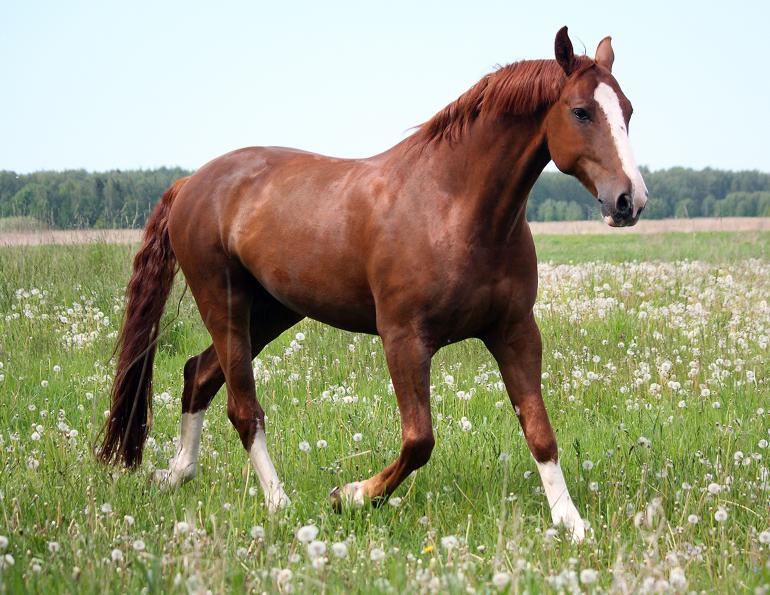
Photo: Shutterstock/Valeri Vatel
Product:
Acera Insurance
Blogs & Podcasts
Advertisement

Related Articles





Advertisement

Featured Stories





Advertisement
