Spring

can you put horses and cattle together, can horses and cows share grass, equine parasite control, deworming horses, preventing worms in horses

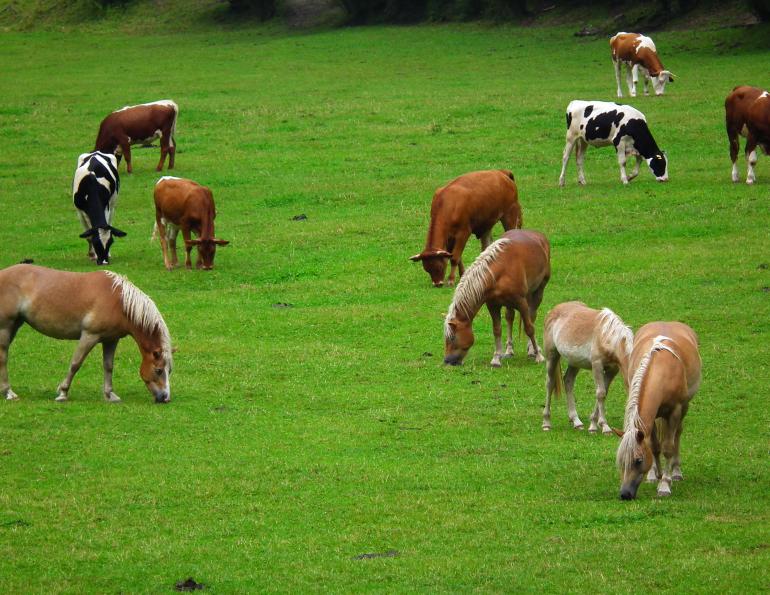
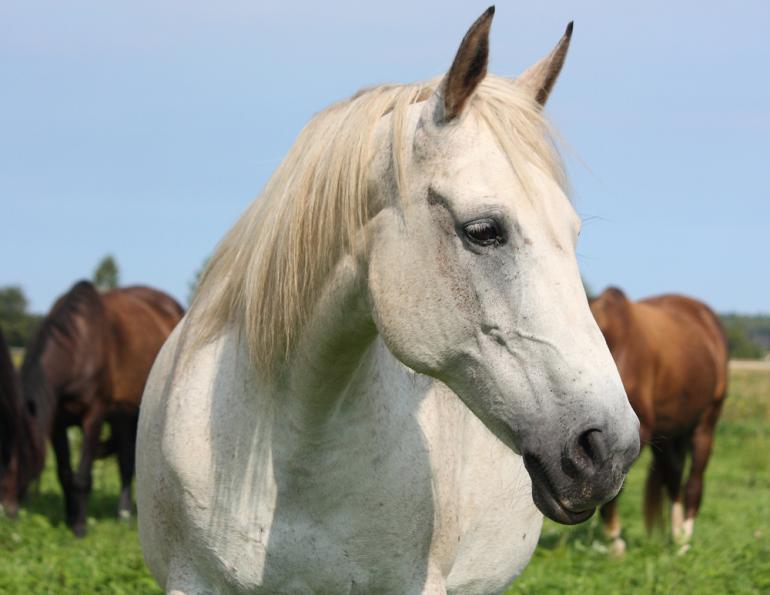
A French study has confirmed that mixed grazing with cattle helps control strongyle worms in horses. Grazing horses with cattle is often suggested as a useful pasture management tool to help control strongyle parasites. However, there has been little research to assess the benefit.

how to prevent colic in my horse, equine guelph horse portal, colic risk my horse, how to introduce spring pasture to my horse, don kapper

Spring is upon us and so is the prevalence of gas colic. Equine Guelph is sharing many strategies to prevent it. First, Equine Guelph recommends that every horse owner refers to its FREE Colic Risk Rater Tool to help them assess their management practices, such as introducing new feeds slowly to reduce their colic risk. An excellent video discussing safe introduction to spring pasture with expert in equine nutrition, Don Kapper, has just been added to the valuable resources housed on the Colic Risk Rater web page.

example pastern dermatitis horse, mud fever horse, horse skin problems

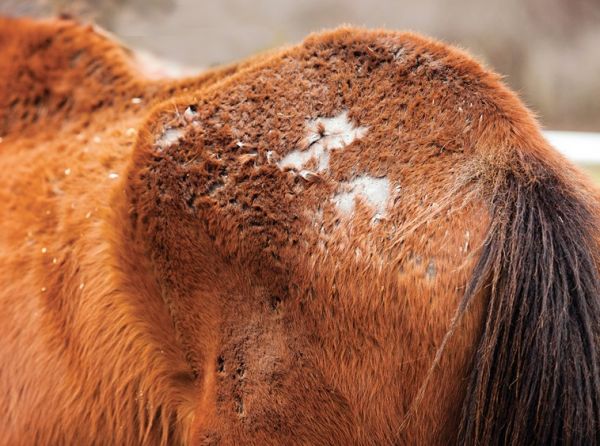
Persistent and large amounts of rainfall can create challenges for equine care and have negative effects on your horse’s overall health.

Equine Sports Medicine, eqiune vet Steve Chiasson, DVM, CVMA, What Horses Benefit from Sports Medicine high-performance equine athlete horse chiropractic, equine lameness evaluation, regenerative therapy horses aquatic therapy

It’s been a gruelling season but the end is in sight. Looking back, training camp seems so long ago, so many months of hard work, of getting in shape. Last season certainly took its toll on the team. Coaches, trainers, and even the owner commented on the past year’s success and the hard work that went into it.

how can i keep my horse fit, how can i condition an old horse, dr kirby pentilla, conditioning older horse, caring for an older horse, joint injections horse, senior performance horse

When you have finally found the perfect horse to take you to the winner’s circle, it’s tough to realize that he or she might be getting old. Many horses are now competing well into their late teens and early twenties, especially in certain disciplines such as dressage or show jumping where it takes many years of training to reach an elite level of competition. However, from a veterinary perspective, horses are considered geriatric as they reach the age of 15 to 20 years, which is when their physiological functions start to decline. The management of these horses becomes crucial to keep them competing at their best.

equine metabolic syndrome, ems, cushing's disease, ppid, high insulin horses, overweight horse

Equine Metabolic Syndrome (EMS) and Equine Cushing’s Disease (also known as Pars Pituitary Intermedia Dysfunction, or PPID) are reasonably common conditions we encounter in our horses. This article will deal primarily with EMS, but because PPID can be a cause of increased insulin levels in horses, it needs to be mentioned as well.

Does how often should the vet see my horse? How often should the farrier see my horse? how to deworm horse, when to vaccinate horse, preventing sweet itch horses, how much water horse need, steve chiasson

Each season brings with it certain needs for equine care, and an annual horse health care agenda can help with some of the planning as the months rapidly roll by. Horse owners are good at knowing the value of organizing and preparing ahead to help their horses stay healthy, and to budget for the more expensive seasonal needs ahead of time.

Spring equine Pasture Precautions, equine pasture turnout, grazing muzzle, equine founder, equine laminitis, equine colic

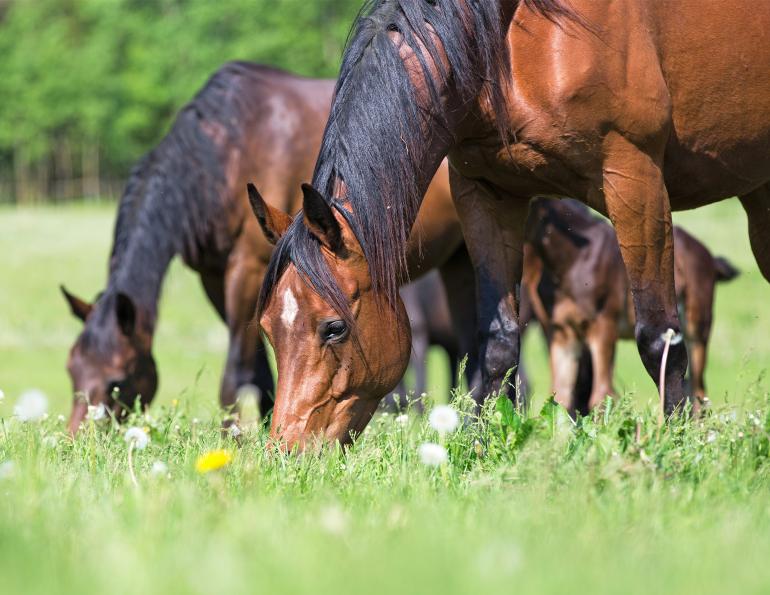
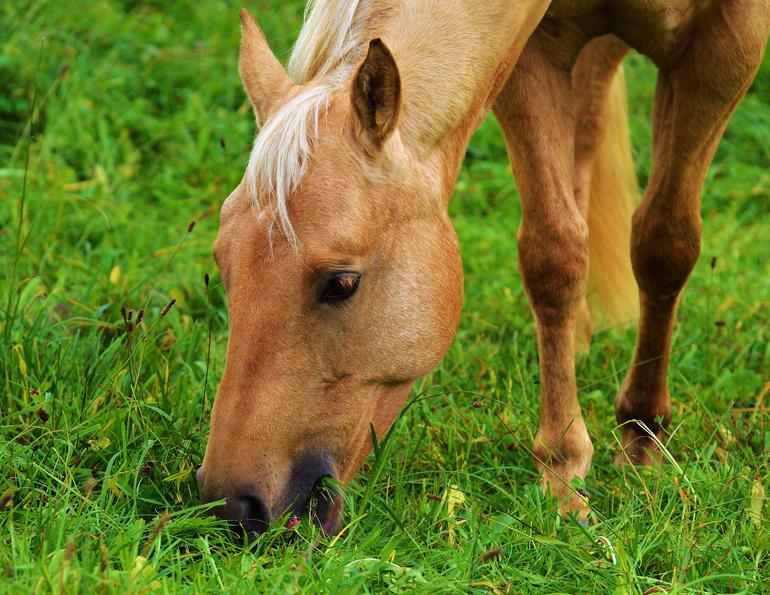
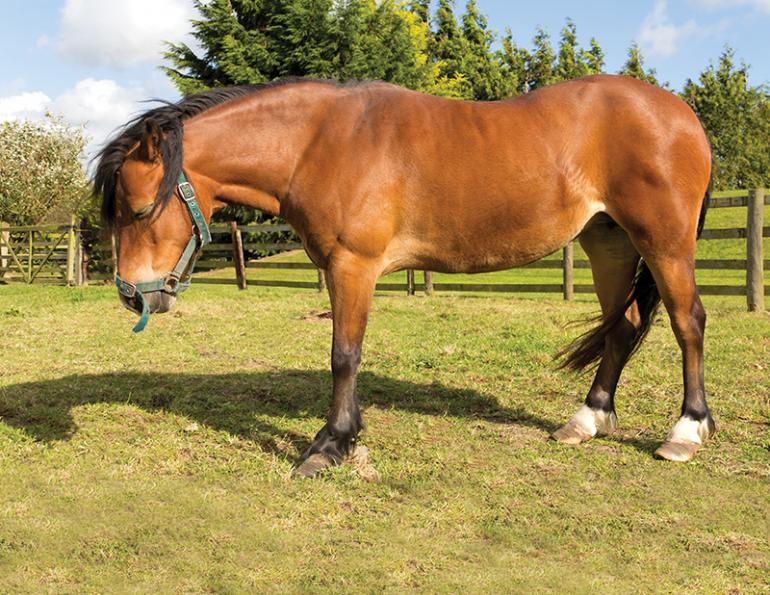
The brown stubble of winter is being replaced by the first tender shoots of green spring grass, and your horse is eager to hit the pasture and mow down. But early spring grass has high sugar and protein content, and a horse that is unaccustomed to its richness (as most horses are after our long Canadian winters) may be at risk for laminitis and colic if he is abruptly turned out to overindulge on lush pasture.

Managing Spring Mud in Your Horse Pastures

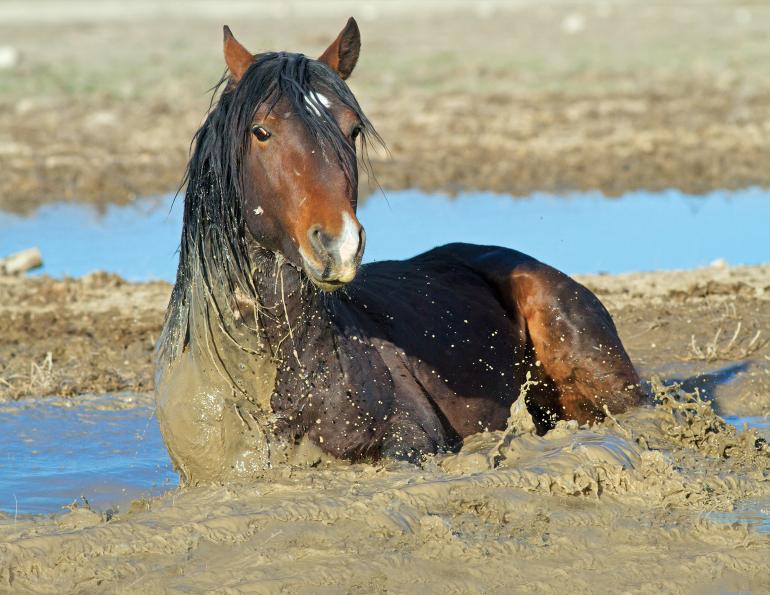
By Horse Industry Association of Alberta - Get out your rubber boots – spring is coming (believe it or not). Unfortunately, so is mud. With the heavy snowfall seen in many parts of Canada this past winter, the spring season promises to be messy when the ground starts thawing and the snow starts melting. Mud can cause problems for horse owners. It affects pastures and can cause health issues in horses.

horse welfare, equitation science, code of practice for care and handling of equines, five freedoms of animal welfare, equine guelph

How do we see our industry? How would equine industry members describe the welfare status of Canadian horses? Which horses do they believe are the most at risk? And what do they believe threatens horse welfare?

Pages