The Hidden Cost of Perfectionism in Equestrian Sport
Updated:
July 31, 2026By Annika McGivern
Many riders wear perfectionism like a badge of honour. It’s often seen as nothing more than having high standards, refusing to settle for average, or caring deeply about doing things well. In fact, perfectionism is frequently praised as a quality that reflects ambition, commitment, and a strong desire to succeed. Yet this widely accepted view can be misleading. When we fail to distinguish between healthy striving and perfectionism, we risk embracing a mindset that creates unnecessary stress, undermines confidence, and can ultimately interfere with our performance in the saddle.
That is what makes perfectionism so deceptive. It often disguises itself as something positive. If your first reaction is, But isn’t perfectionism what pushes me to improve? How else am I supposed to reach my goals if I don’t constantly demand more from myself? then this article is for you. I understand that way of thinking because I believed it myself for many years. The mental toll it took was significant, and today I describe myself as a recovering perfectionist. The good news is that there is another way to build discipline, stay motivated, and become a better rider—one that doesn’t depend on harsh self-judgement or constant self-criticism.
So why has perfectionism earned such a positive reputation? It makes sense that we admire excellence and celebrate high achievement, but excellence and perfection are not the same thing. Although they may appear closely related, there is a crucial difference. Pursuing excellence encourages continual learning and improvement by helping us raise our standards over time. Perfectionism, on the other hand, has the opposite effect. It is driven by the belief that we are never quite good enough, leaving us focused on our perceived shortcomings instead of our progress.
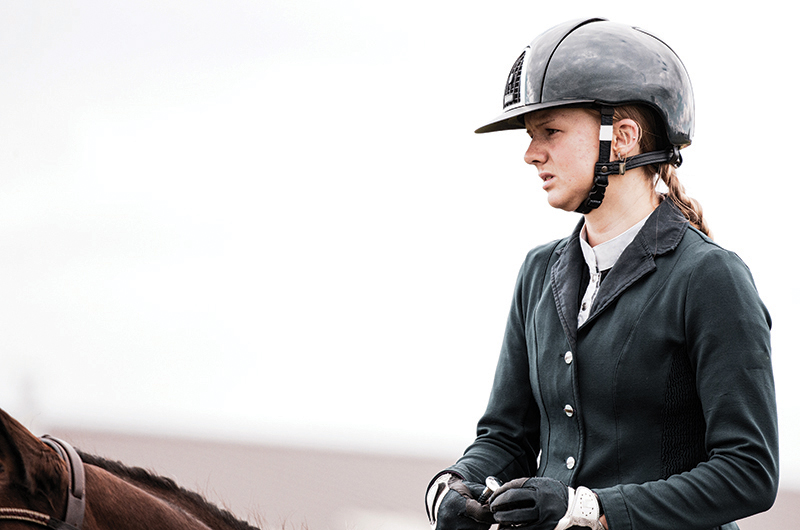
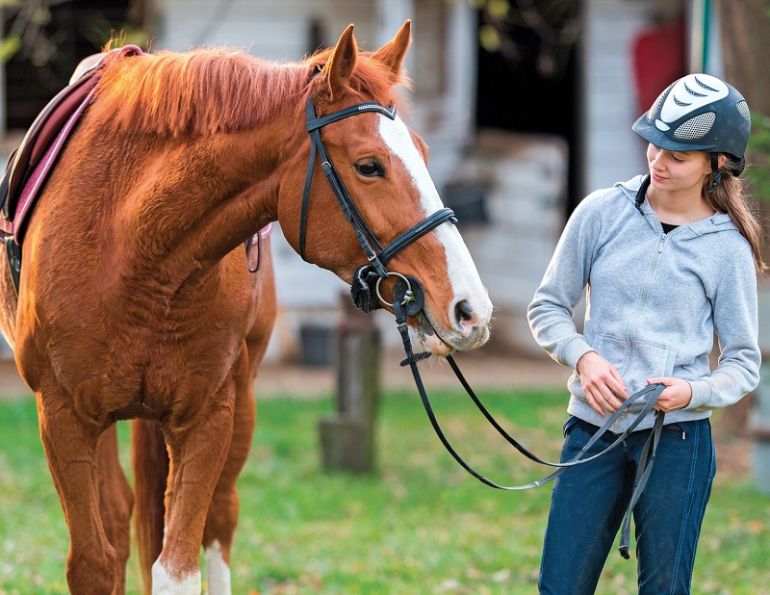
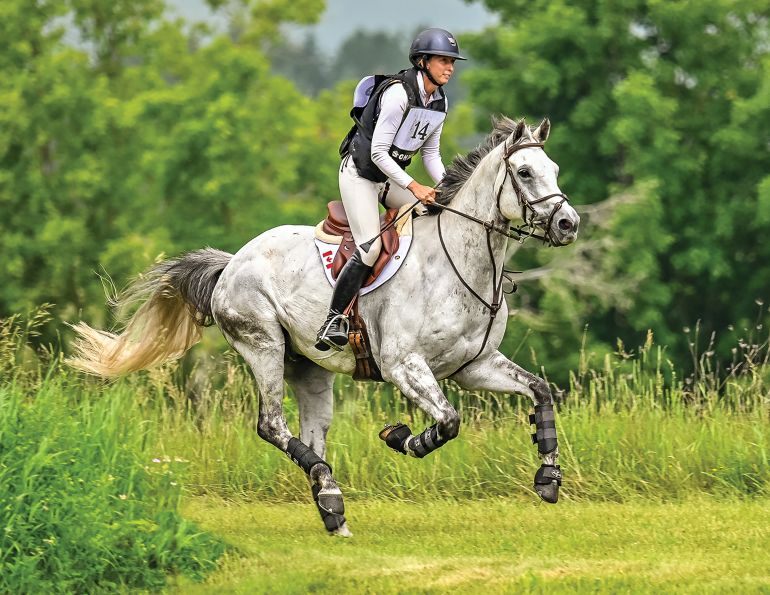
A perfectionist experiences more negative emotions, which block the ability to learn and progress, and detract from performance. Photo: iStock/Raylipscombe
Our positive view of perfectionism is built on a faulty assumption: that without our inner critic we will end up as a blob on the couch, an underachieving, underperforming failure. When this perception is in charge, we beat ourselves up over a missed distance when jumping or a messy movement in a dressage test, and we believe this makes it less likely we will repeat the mistake. In essence, our inner perfectionist presents a very convincing lie that sounds something like this: Hey, I’m your inner perfectionist. Without me, you will underachieve and not reach your full potential. You need me to succeed.
This idea is oh so convincing, but false. Not only does our inner perfectionist not deliver on his or her promises in the long run, but it causes the exact opposite to happen. Being a perfectionist usually results in us experiencing significantly more negative emotion, learning less, and progressing slower, all of which can result in less success. To understand how to move forward, we need to untangle striving for excellence from insisting on perfection. Understanding how to do this is the key to success.
First, we need to challenge the idea that beating ourselves up is motivating. Negative motivation seems effective, but it’s not. Beating ourselves up only works in the short term. In other words, we might win the battle, but we are likely to lose the war. We may successfully scare ourselves into paying extra attention and not repeating the initial mistake, but over time our perfectionism results in an overload of negative emotion, which makes it harder to remember important information and powerfully detracts from our performance. In my experience, most riders who try and motivate themselves through fear end up falling out of love with competition. They are unknowingly making their experience of being an equestrian more about shame, guilt, worry, and fear, than about discovery, growth, connection, and challenge. The more time we spend subjecting ourselves to shame and fear, the less effective we are as riders.
This unhelpful cycle occurs because negative emotions block our ability to learn. When we beat ourselves up over mistakes and failures, we cultivate a headspace in which we are unable to think creatively, problem solve, and most importantly, learn from what has happened. Interestingly, this means that beating ourselves up over a mistake can make it more likely that we will repeat it again in the future. We miss the key learning opportunity which could help us understand how to do things differently.
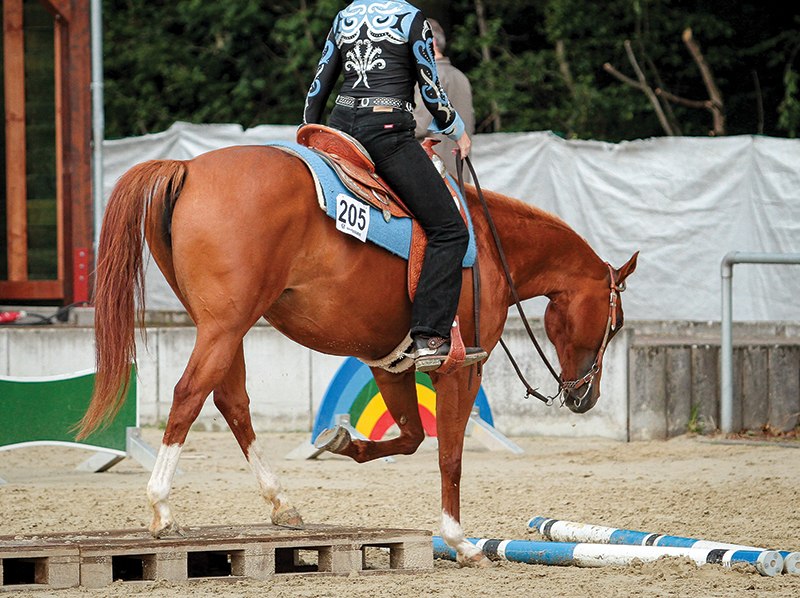
With perfectionism in charge, we labour under the false assumption that without our inner critic we will be continually underperforming. Photo: Shutterstock/Rolf Dannenberg
Because of this, it helps to understand that at the core of this pattern of behaviour is a simple formula: Expectation + Result that doesn’t meet that expectation = Negative reaction (guilt, shame, frustration, anger, sadness… etc.)
Related: Equestrian Guilt and How to Manage It
We have control over two parts of this formula: the expectation and the reaction. We do not have full control over our results. Think about it — you could canter into the show ring and give the best performance of your life and still not win. There are too many factors influencing our results. When our inner perfectionist is in control, we set our expectations around an ideal of perfection. We expect that we should not make mistakes, never fail, and always be in the ribbons. When we set our expectations in this way, we inevitably experience results that don’t meet those expectations because we do make mistakes, we do fail occasionally, and we don’t always win a ribbon.
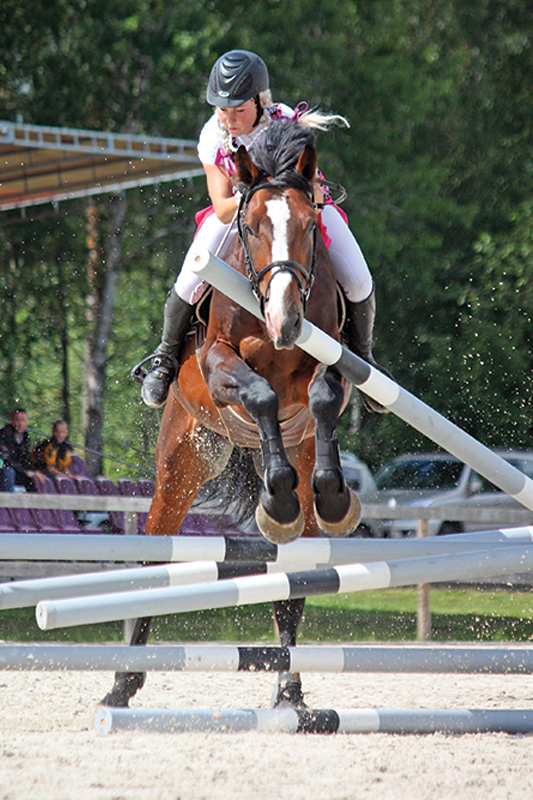
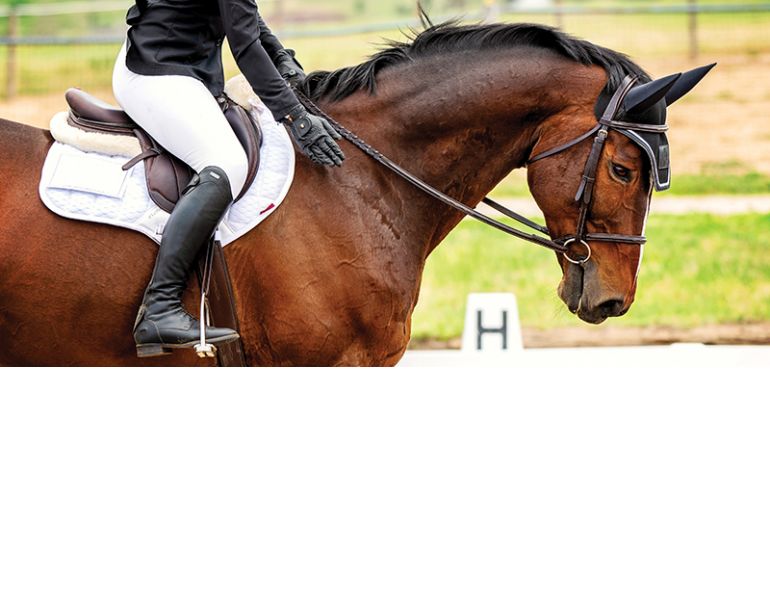
In the show ring, we can control our expectations and reactions, but there are far too many factors at play for us to control the results. For the perfectionist, results that do not meet expectations are inevitable, resulting in a cascade of negative emotions. Photo: Shutterstock/Anastasija Popova
We need to know exactly what it means to strive for excellence instead of perfection. There are three key areas where we can work to change our perspective to change our results. Here are some suggestions to get you there:
Manage Mistakes and Failures - To strive for perfection is to strive to be the finished product right away, believing that mistakes and failures are not acceptable and should not be tolerated. To strive for excellence is to constantly improve, accepting mistakes and failures as inevitable and vital opportunities for further growth towards excellence. This perspective will turn anything that happens to you into an opportunity to improve.
Focus on Learning not Having - Striving for perfection is about trying to look like you have all the knowledge and skills already. Striving for excellence is about being comfortable admitting you don’t know how… yet. Recognise the power of the “learner mindset” where we attribute progress to effort instead of natural talent. This perspective will allow you to let go of your self-conscious desire to look perfect and focus on the more important work of learning and improving.
Take Action - Don’t wait to act until everything feels perfect. This often results in a lot of waiting, not much action, and not much practice either. Never hold back from giving it a go because of a fear of failing. Strive for excellence by learning and improving through imperfect action. This means going to the clinic, signing up for the show, going on the trail ride, even if you don’t feel 100 percent ready. It means letting go of ever being perfect and instead, getting excited about the possibility of getting one percent better every time you get in the saddle. This perspective creates rapid growth because we push ourselves outside of our comfort zone again and again and learn from everything that happens, good and bad.

Photo: Shutterstock/IQoncept
If fear doesn’t work in the long term, what is the best motivator? We usually underestimate the things that offer us the truest form of motivation such as wonder, curiosity, growth, adventure, joy, and personal development. Instead of self-punishment, the best response when things have not gone according to plan is to focus on understanding exactly what went wrong and getting curious about the best way to learn from what happened. This means focusing on curiosity instead of blame and emphasising understanding and learning over self-punishment.
Related: Training Our Minds to Cope with Unexpected Challenges
It’s important to emphasise that politely showing our inner perfectionist the door doesn’t mean we have to expect less of ourselves, rein in our dreams, and be content to stay where we are. Absolutely set big goals for yourself and your horse and strive for excellence. Excellence is a wonderful thing to pursue. The secret is to adjust our expectation of what it will be like to work towards those goals. Perfection is not the ideal, while constant growth and improvement is.
Are you willing to let your inner perfectionist go? Doing so has helped me and my clients develop greater confidence in the saddle and reach higher levels of achievement. It has changed my life and I know it can change yours.
Related: Riding the Nervous System: The Horse and Rider Connection
Related: Overthinking in Horse Riding: When Analysis Helps and When It Hurts Performance
Main Photo: iStock/VM
Blogs & Podcasts

Advertisement

Related Articles


Advertisement

Featured Stories







Advertisement