Log in or register to post comments
horse vital signs, equine vital signs, horse vitals, equine vitals, horse heart rate, horse pulse, equine heart rate, horse gut sounds, equine gut sounds, equine pulse, horse respiration, equine respiration, horse breathing, equine breathing, horse capillary, equine capillary, horse temperature, equine temperature, canadian horse journal, horsemanship, horse first aid, equine first aid

Every horse owner should be familiar with his or her horse’s “normal” vital signs. Knowing your horse’s healthy, resting temperature, heart rate, respiration rate, capillary refill time, and gut sounds will help you realize when he is unwell. Additionally, in the event of illness or injury to your horse, being able to check and report his vital signs can help indicate to your veterinarian the horse’s present condition.

horse-related contracts, buying a horse, legal documents horse sale, horse insurance contracts, horse breeding contract, karen weslowski

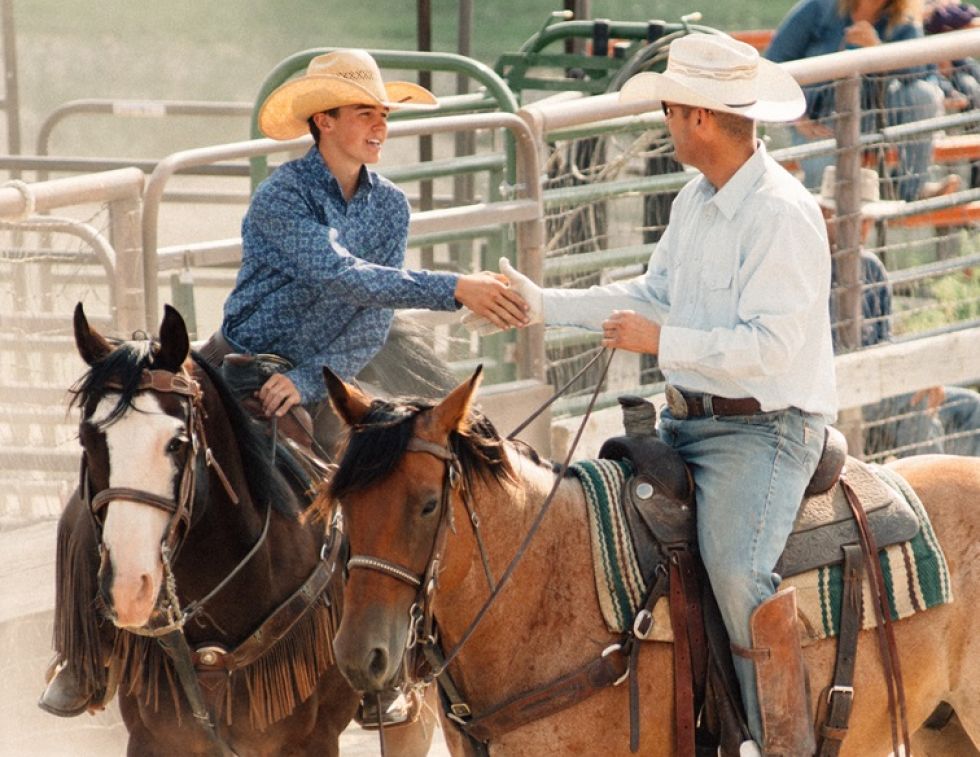
In the past, horse business transactions often relied on handshake agreements. Today, written contracts are increasingly common for buying and selling horses, as well as for services like training, leasing, breeding, and boarding. Contracts provide clarity and legal protection for all parties involved. As contracts become more prevalent in the horse industry, it’s important for horse owners and horse business owners to understand the basics of contract law. This guide will explain the key elements of a contract, offer tips for drafting horse-related contracts, and cover the common breeding contract.

Horse owner's vacation checklist, horse care, equine care, horse worries, keep horses safe while you vacation

You’re lying on a beach in an exotic locale, soaking up the sun, sipping on a fruity beverage, seemingly without a care in the world. But all you can think about is: Will my horse be okay while I’m gone? Is he getting his supplements? What if he’s injured or falls ill? A vacation isn’t a vacation if you’re constantly worrying about your horse. Get the most out of your getaway by following these steps to ensure your horse’s well-being, and your peace of mind.

Diseases resulting in Hind Limb Gait Deficits in Horses, stringhalt in horses, Fibrotic Myopathy in horses, Shivers in Horses, Equine Polysaccharide Storage Myopathy PSSM

By Dr. Colin Scruton - Hind limb problems can be confusing to identify and even harder to diagnose in horses. Some conditions can lead to mechanical deficits or difficulty in certain movements without causing the classic pain-associated lameness. Stringhalt, fibrotic myopathy, shivers, and equine polysaccharide storage myopathy (PSSM) are four distinct diseases in horses that result in gait deficits. Accurate differentiation of these conditions allows for the most effective management to be used.

Proper Hoof Care

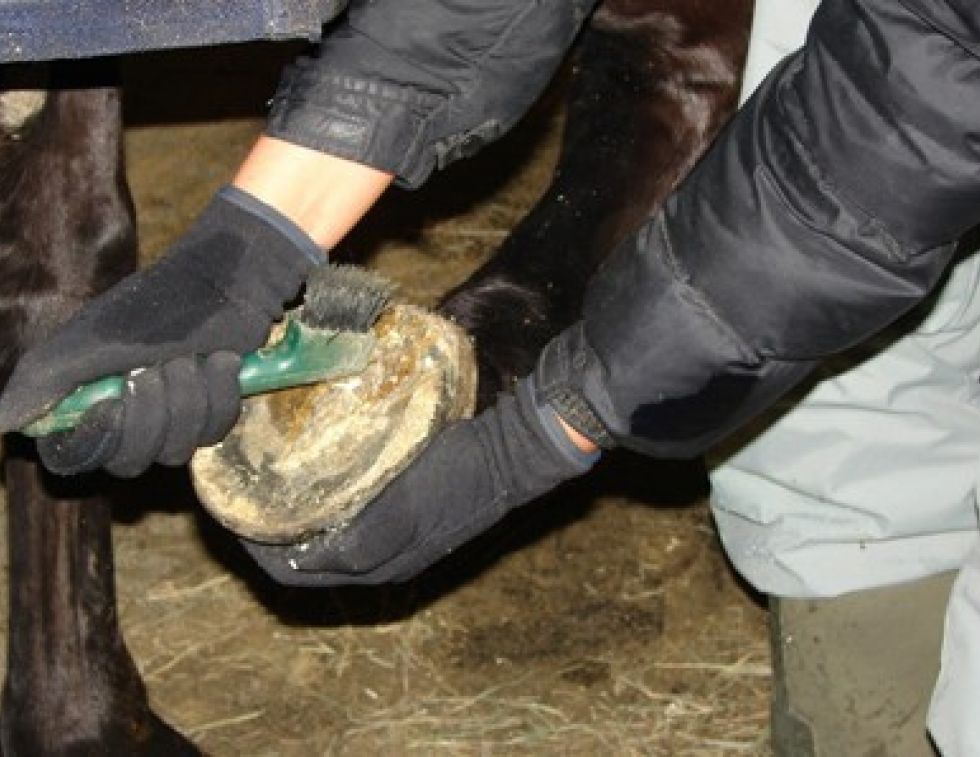
While partnering with a skilled farrier is essential to long-term hoof health, daily hoof maintenance begins with the horse owner. Your horse depends on you to maintain clean, healthy hooves and to minimize exposure to conditions that can lead to lameness or infection. Overlooking routine hoof care can result in preventable issues—such as thrush, abscesses, or structural damage—that negatively affect your horse’s soundness, comfort, and performance.

Pages