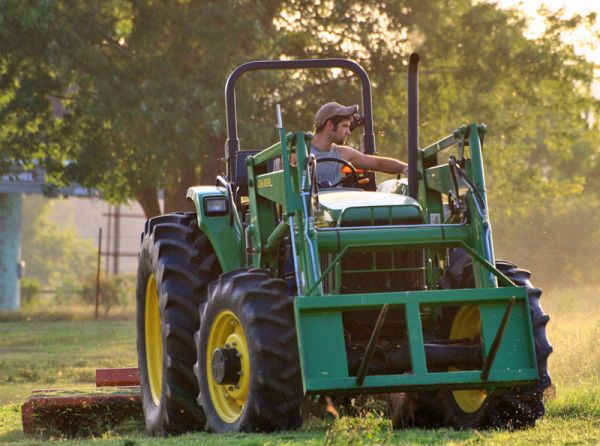
Kevan Garecki, horse trailer safety, safe horse transport, horse care

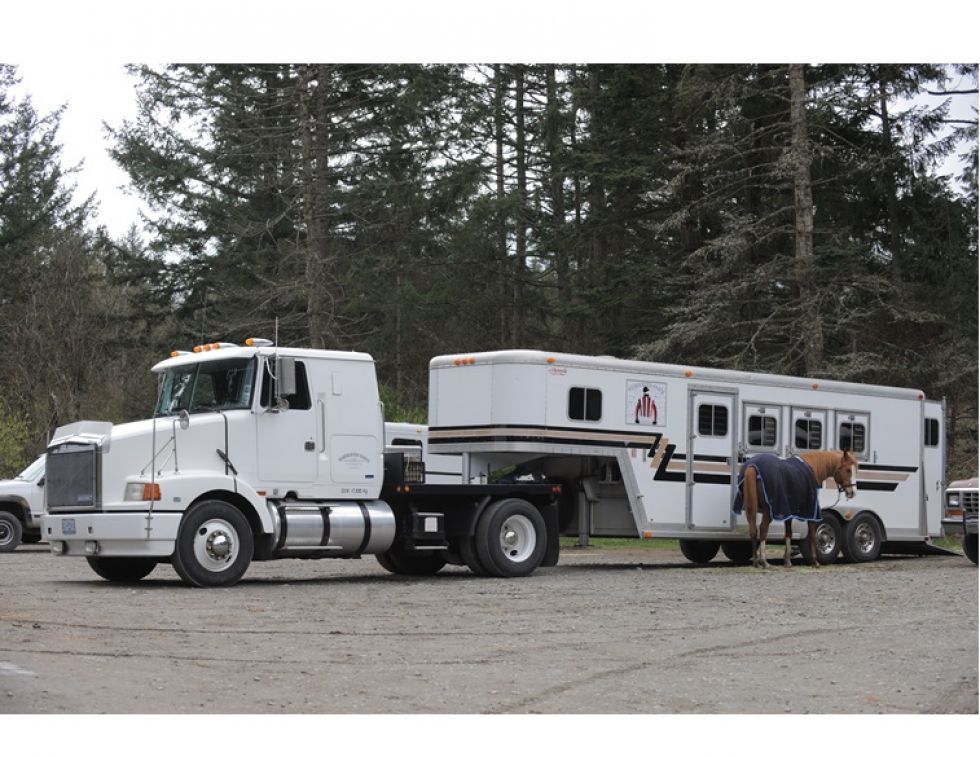
The need for safe driving should always be preeminent, even more so when we have precious cargo on board. Keep in mind that there is nothing in a horse’s instinctual response mechanism that will help him in the event of a crash; this makes us wholly responsible for our horses’ welfare.

Hans Wiza, good horse hooves vs bad horse hooves, horse care, horse health, equine coronary band, equine canon bone, hoof cracking, hoof flaking, hoof splitting, hoof bending, hoof folding, trimming horse hooves, equine pastern

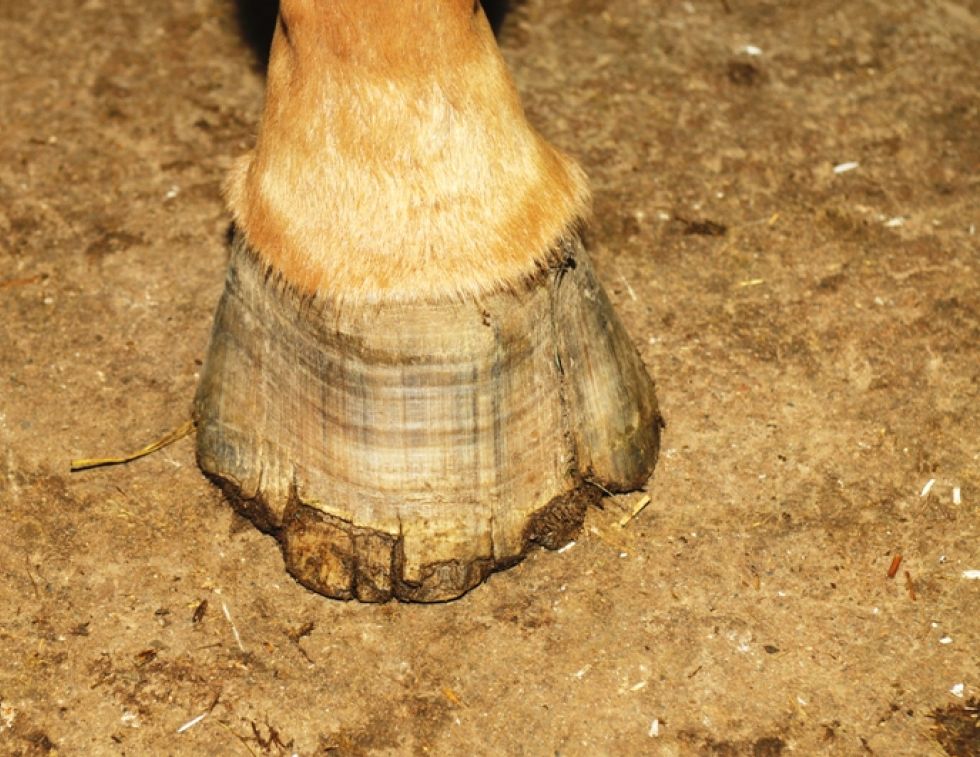
Hoof issues have been a persistent challenge for horses since they began roaming the earth. Since domestication, countless hours have been dedicated to discovering treatments and solutions. Among the most pressing concerns is hoof tenderness, as a horse that is sore-footed and struggling to move is a serious problem. While chipping and cracking may or may not interfere with a horse’s performance, such conditions are often attributed to weak hooves. But what exactly does that mean? To understand what makes a hoof problematic, we must first define a healthy hoof.

kentucky equine, equine research, foal oxygen, foal oxygen deprivation, horse oxygen, foal health, horse breeding health, neurologic conditions horses

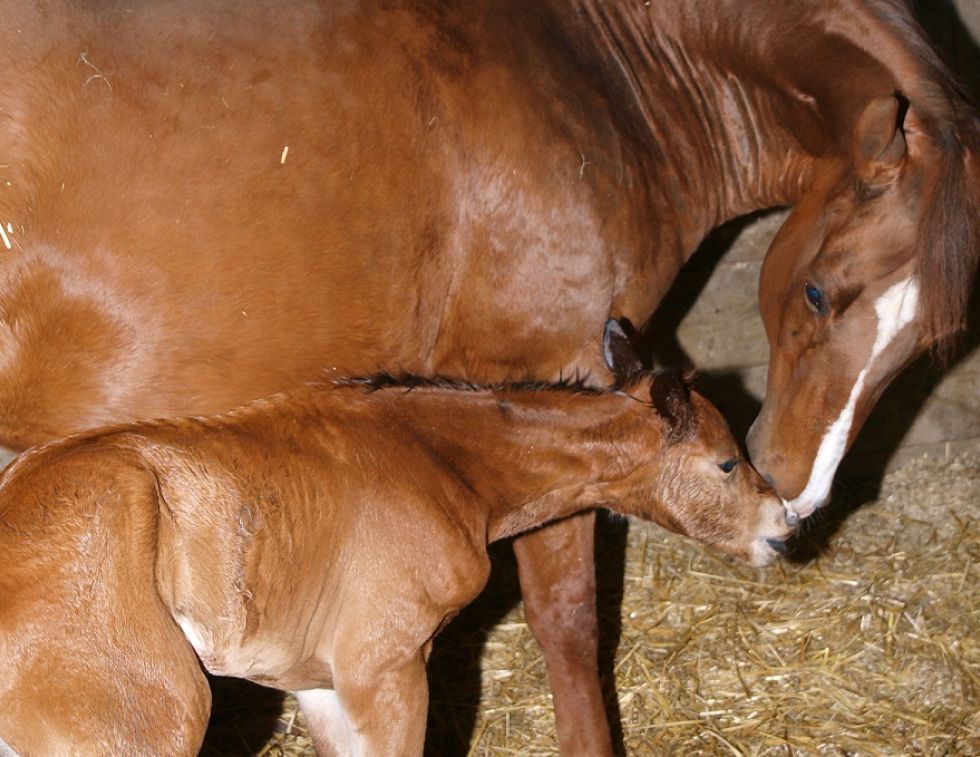
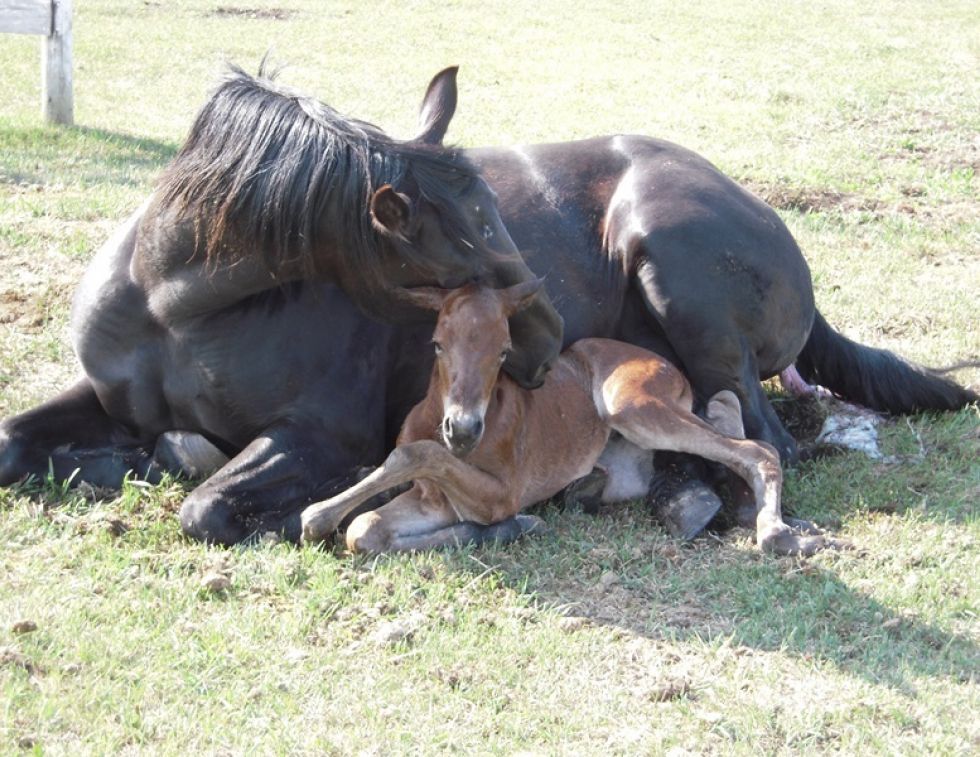
The majority of mares experience a smooth and uncomplicated birth, with the foal typically standing and nursing within an hour or two. Within a few days, the foal is often seen following the mare around the pasture and enjoying a nap in the sun. However, complications during or after birth can occasionally lead to a lack of oxygen reaching the foal's brain. This oxygen deprivation can result in conditions such as hypoxic-ischemic encephalopathy (HIE) or neonatal maladjustment syndrome (NMS), commonly referred to as "wanderers," "sleepers," "barkers," or "dummy foals" by barn managers.

How to Care for Your New Foal

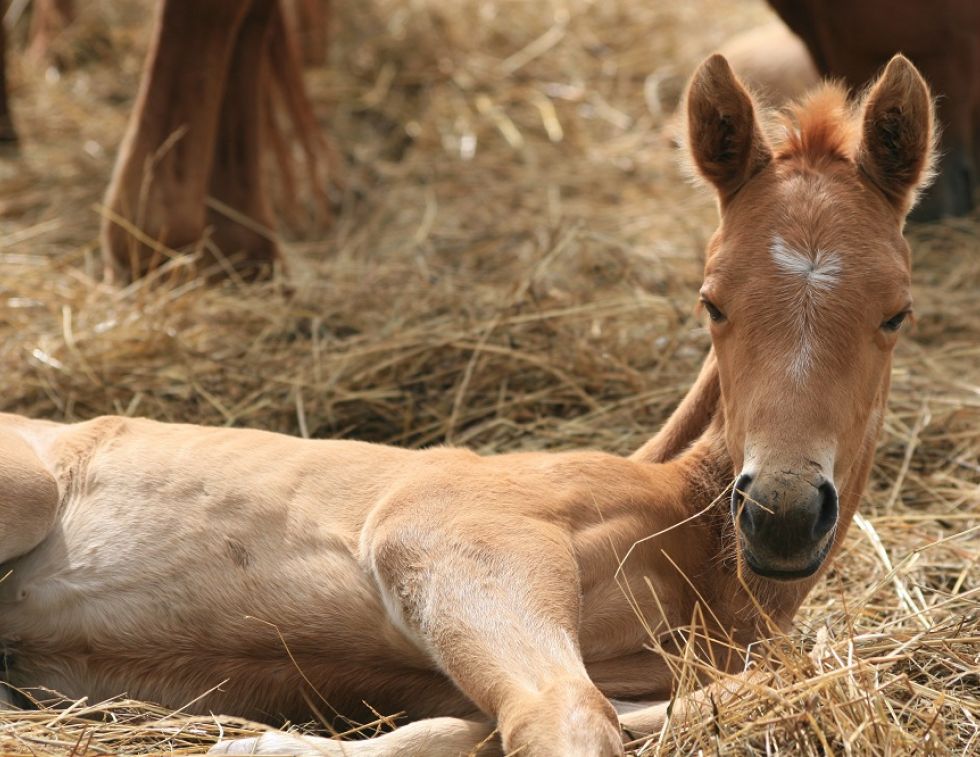
After an 11-month wait, your foal has finally arrived! Now, it's crucial to provide the right care to ensure a strong, healthy start. Here’s what you need to do in the first critical hours of life.

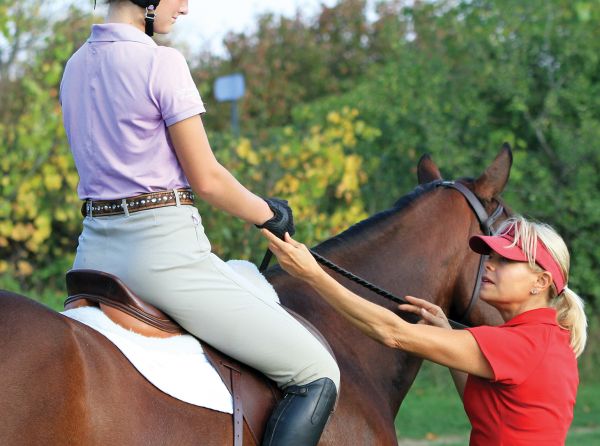
horse trigger, horse trigger points, horse training, difficult horse, Will Clinging, Clinging horse, horse trainer, Canadian horse journal, horse Canada, horse sport, horsemanship, Western horse, English horse, natural horse

When handling any horse with training or behavioural issues, I always watch for trigger points. A trigger point is basically a trigger that can cause the horse to associate a specific stimulus with a fear-based response. For example, a lunge whip flicked at a horse can cause him to remember that he was once scared or hurt by a lunge whip. If he has a flashback memory that takes over, the horse’s behaviour can revert back to previous evasive or reactive ways.

high risk mare, high risk equine pregnancy, prefoaling, foaling, jcs veterinary reproductive services, juan samper

Ensuring a Healthy Start for Your Newborn Foal - The anticipation of a foal’s arrival can feel endless, but the moment your newborn rests next to its dam and nurses for the first time is finally approaching. While most deliveries are without complications, high-risk mares require extra attention. Early veterinary intervention and careful monitoring throughout pregnancy can help safeguard both your emotional and financial investment.

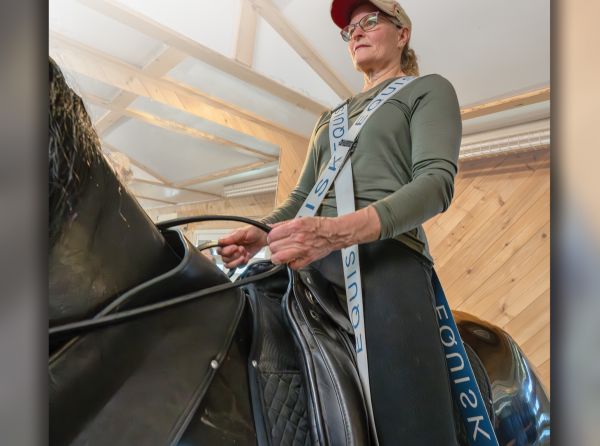
Master sitting trot, Sandra Verda-Zanatta, fit to ride, equine Hip Flexor stretch, equine quadriceps Stretch, equine hamstritng stretch, equine abdominal mini crunch, equine hamstring stretch, equine interval training, improving equine flexibility, equine hip roll, equine Spine mobility

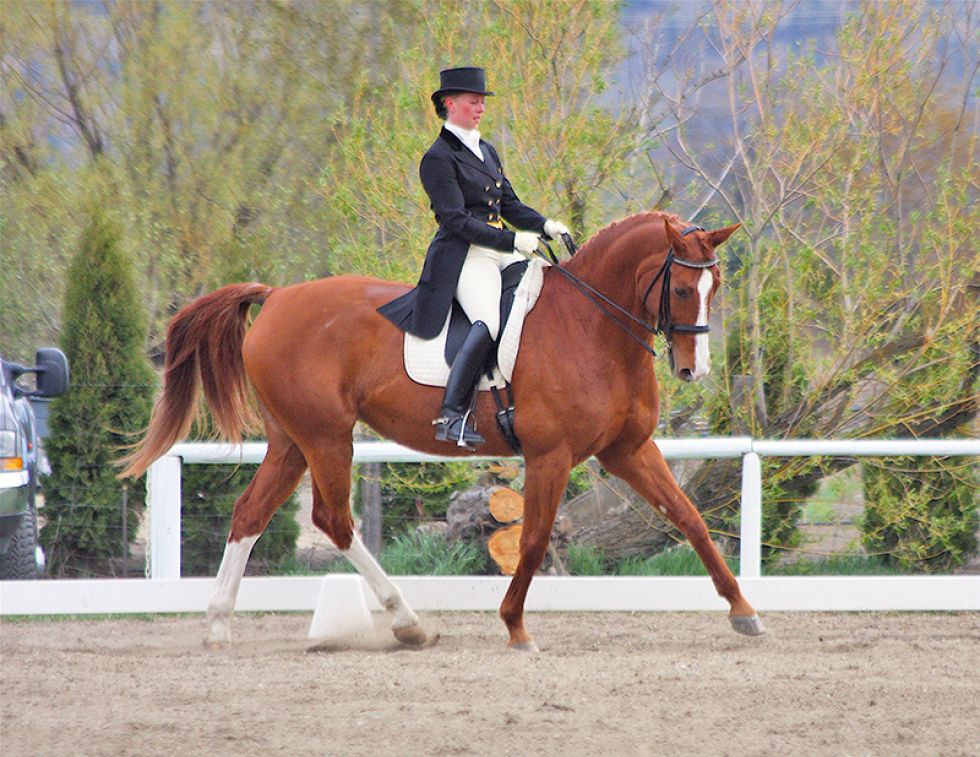
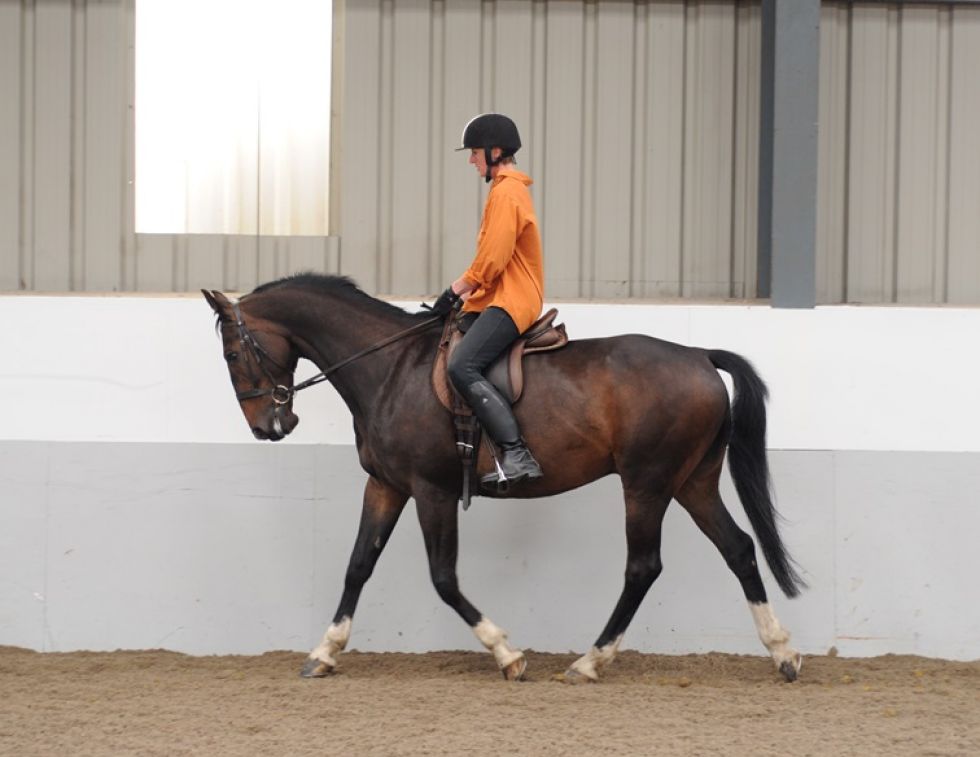
Struggling with the sitting trot? You're not alone! No matter your age, level of expertise, or the discipline you ride, it is a challenging skill to perfect. Achieving a smooth, effective sitting trot requires a balanced, independent seat that moves in harmony with your horse—without restricting their natural motion.

Pages