Prevention

horse self-mutilation syndrome,  Lynne Gunville, Dr. Claire Card, horse skin, unusual horse noises, flank biting, equine self-mutilation syndrome, horse care

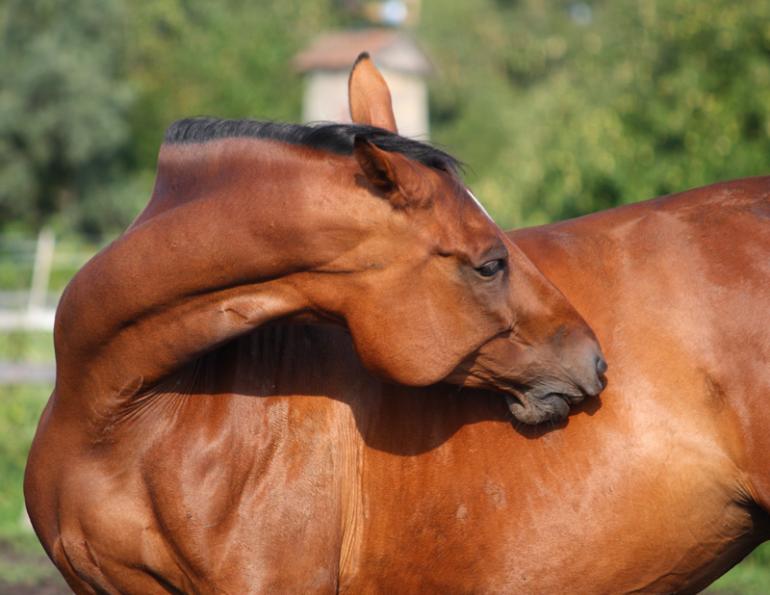
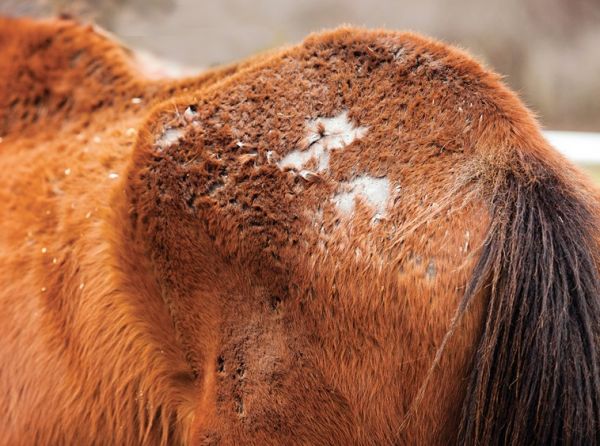
At first, you might notice something wrong with your horse’s skin. He may start making unusual noises or being hypersensitive to your touch in the flank area – signs that would normally point to a medical issue such as a dermatological condition.

Hans Wiza, horse Hoof makeover, splay-footed horse, cracked horse feet, chipped horse feet, flared horse feet, flaking horse feet, bent horse feet, broken horse feet, hyper-expanded horse feet, peeling horse feet, equine scapular hinge vertical alignment, H.A.N.S. TRIM protocol, horse shoes

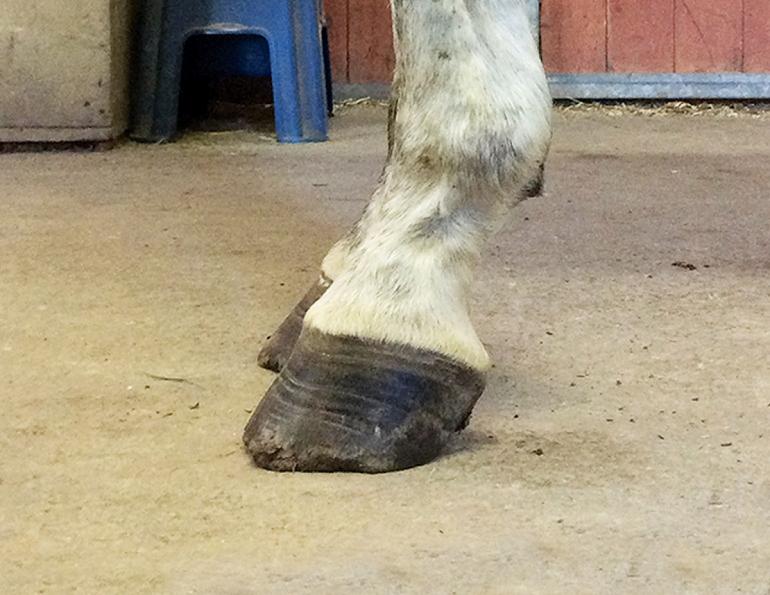
Tequila is a Thoroughbred mare that I was asked to shoe a couple of months back. She stands splay-footed, is badly over at the knees, and her hind legs were quite sickle-hocked. Her feet were smashed, flared, chipped, and cracked. She was just the kind of project that I wanted to do a “hoof makeover” on – I do love a challenge.

equine immune system, Equine infectious anemia, equine organ-damaging inflammation, blood-borne equine disease, equine eia, testing horse blood, Equine infectious anemia-infected horse, horse care, horse health

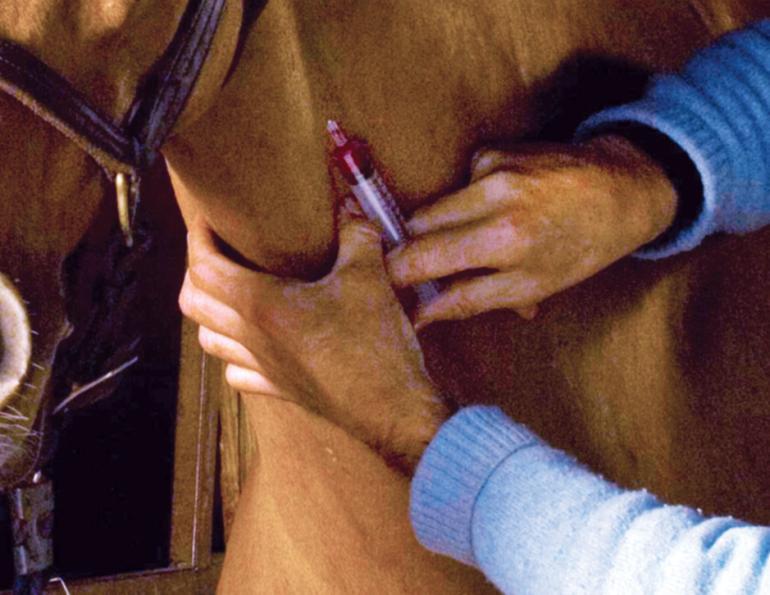
Equine Infectious Anemia (EIA), also known as Swamp Fever, is an infectious disease of horses, donkeys, and mules caused by a virus. Horses infected with the EIA virus carry it for life. Most infected horses show no symptoms, but they remain infectious, endangering the health of other horses.

Jackie Bellamy-Zions, equine gut microflora EMS warning, horse care, laminitis, fecal microbial, equine metabolic syndromes, Dr. Scott Weese

Early diagnosis of Equine Metabolic Syndrome (EMS) is an important area of study, especially considering one of the first signs can be laminitis, a serious and sometimes life-ending condition. Catching EMS in its initial stages can facilitate early intervention with an appropriate exercise and diet plan to reduce the chances of laminitis developing.

 Colic Surgery horses, equine colic surgery, horse care, margaret evans, Dr. Isa Immonen

Colic is a condition many horse owners worry about, hoping it can be treated quickly and simply should it occur. But some conditions call for surgery and owners are then faced with challenging decisions about surgical outcomes, complications, post-operative care, cost, and future performance.

horse Laminitis Vaccine preventing equine laminitis Dr. David Wilson equine musculoskeletal western college of veterinary medicine lynne gunville

After nearly four decades of watching the devastating impact of laminitis on horses, equine surgeon Dr. David Wilson has developed a vaccine that has the potential to save the performance careers — and lives — of horses around the world.. Laminitis (or founder) is one of the leading causes of loss in horses, right alongside colic and musculoskeletal problems.

 Dr. Crystal Lee, Equine Joint Inflammation, equine Osteoarthritis, healthy equine cartilage, healthy equine cartilage, Polysulfated glycosaminoglycan, equine articular cartilage

A healthy joint in the limb of a horse provides a frictionless system and facilitates movement with ease. Each joint depends on the function of each of its components to serve this purpose in an equine athlete. Bone, articular cartilage, synovial fluid, synovial membrane, fibrous joint capsule, and ligamentous structures make up these components.

University Saskatchewan, U of S, equine imaging technology, Dr. Julia Montgomery, equine small intestine, equine capsule endoscopy, horse capsule endoscopy, equine camera pill, equine research, horse care

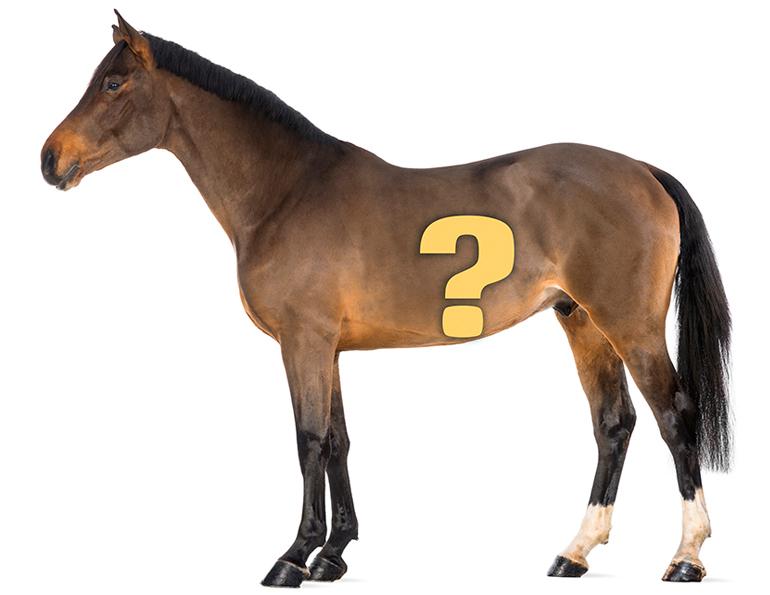
Veterinary and engineering researchers at the University of Saskatchewan (U of S) have teamed up to harness imaging technology to fill in a blank area in animal health — what goes on in a horse’s gut? “Whenever I talk to students about the horse abdomen, I put up a picture of a horse and put a big question mark in the middle,” said veterinary researcher Dr. Julia Montgomery in the U of S Western College of Veterinary Medicine.

senior horse older horse aging horse laminitis older horse impaction colic older horse cushings older horse ppid older horse dental problems older horse

Common Conditions, Challenges and Pain Recognition - Keeping a horse comfortable into their senior years requires an attentive caretaker backed by a knowledgeable team. It is important to seek the input from your veterinarian and farrier to help maintain the health of an elderly equine and to spot conditions that will need special treatment sooner rather than later. Recognizing changes and not just dismissing them as “old age setting in” is a large part of the responsibility assumed when caring for the senior horse.

winter horse, horse cough, horse repiratory, equine copd, equine respiratory, equine cough, equine winter health, horse health, equine science, Mark Andrews

By Mark Andrews - It's not just horseback riders that cough and wheeze at this time of year. Respiratory problems are common in horses as well. Loss of performance may be the first sign that something is wrong. Mildly affected animals may cough occasionally when eating or when starting work. As the condition gets worse they may cough almost continuously.

Pages