Prevention

assessing you horse’s body weight without a scale, horse Body Condition Scoring Henneke Scale, how to use horse weight tape

If you have ever evaluated your horse’s ration or tried to calculate an appropriate dose of dewormer for a growing horse, you will know that accurate estimation of your horse’s body weight is important for meaningful results. While we all know that a mechanical or digital scale is probably the best way to evaluate the weight of your horse, not many of us have convenient access to one. Horse owners do have access to other tools for estimating the body weight of their horses. Weight tapes, for example, are inexpensive and readily obtainable at most feed stores.

shelagh niblock horse nutrition, horse's diet ppid, equine cushings disease, tying up horse, metabolic conditions horse, pssm type 1 and 2 horses

Receiving a diagnosis of the condition behind your horse’s health or performance problem is usually a relief, but the satisfaction of getting the diagnosis can be quickly replaced by fear and uncertainty regarding what to do about it. Questions around both the long-term prospects for your horse and the costs involved to support the horse with such a condition can be daunting. Owners of horses diagnosed with special nutritional needs often feel bewildered and frustrated as they attempt to put together an appropriate management protocol.

secure guard gold, arenus, horse digestion, help for equine digestion, healthy gut horses, diarrhea horse, colic horse

Our Horses Lead Stressful Lives… Our horses’ genetics dictate they live free, roam large areas, graze 20 hours a day, and have established position in the “pecking order” of their herd. In captivity, our horses live in a confinement management system, are fed intermittent meals, and are often separated from other horses. Although there have been many advancements in horse care, it has been a constant struggle to address and manage the stress today’s horses suffer. Feed schedules, show schedules, training and exercise, separation from friends, and everyday life in stalls and confinement all contribute to stress.

Biosecurity horse farm, how to protect horse from virus, pathogens horse farm, designing a horse barn for health, safely transporting horses

Protecting Horses and Humans - The COVID-19 pandemic showed how alarmingly quickly a virus can spread across countries and continents and created an understandable reaction to protect against infection from any and all viruses and pathogens. By extension, it is also essential that there is a level of biosecurity on your farm or acreage to protect horses against agents of disease.

long-term response of equids with pituitary pars intermedia dysfunction to treatment with pergolide, treatment of ppid equine cushings disease

Long-term use of pergolide to treat horses with pituitary pars intermedia dysfunction (PPID or Equine Cushing’s disease) produces clinical improvement in most cases, and improved endocrine test results in some, according to recent work.

Hypochaeris radicata, stringhalt equine reflex hypertonia, diseases horses, horse walking strange, equine hindlimbs stringhalt, uc davis center for equine health

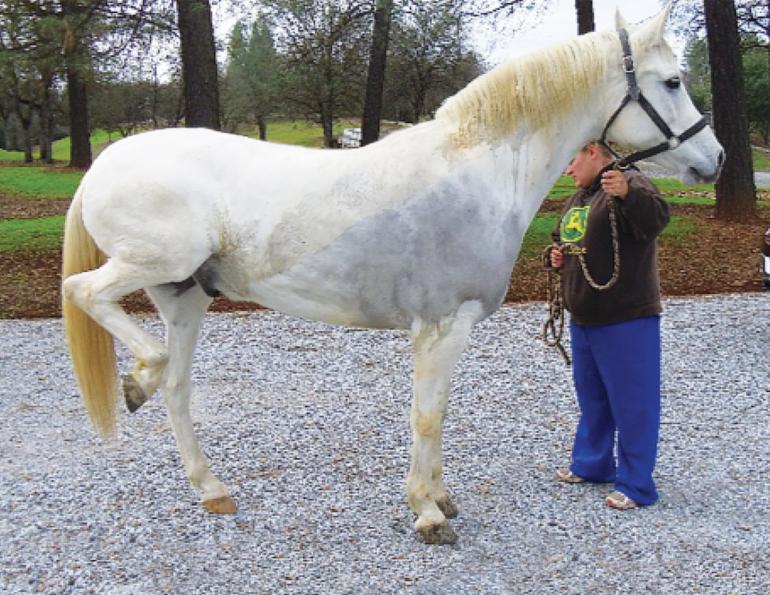
Stringhalt, or equine reflex hypertonia, is a neuromuscular condition that causes a gait abnormality characterized by involuntary, exaggerated upward movement of one or both of the hindlimbs. It looks like a jerk or hop, with the affected hindlimb(s) snapped up towards the abdomen. This generally occurs with every stride at the walk but can lessen at the trot and is usually absent at the canter. The degree of hyperflexion varies from mild to severe and is most obvious when the horse is turning sharply, backing, going down a slope, in the first few walking steps after standing still, or during gait transitions. A hopping gait may be exhibited in severe cases.

senior horses care, older horses weight loss, senior horse feed and nutrition, dental care senior horse

With today’s medical advances, research, and improved management, horses are living longer and longer lives. In the past, most horses were considered old when they reached their late teens. These days, it’s not uncommon for horses to live into their late 20s or even into their 30s, allowing us to spend plenty of quality time with our elder equine friends. Proper management is key to ensuring that the older horse is happy and comfortable throughout his golden years.

equine joint disease, arthritis in horses, treating sore joints horses, x rays horse joints, ultrasound horses, diane gibbard

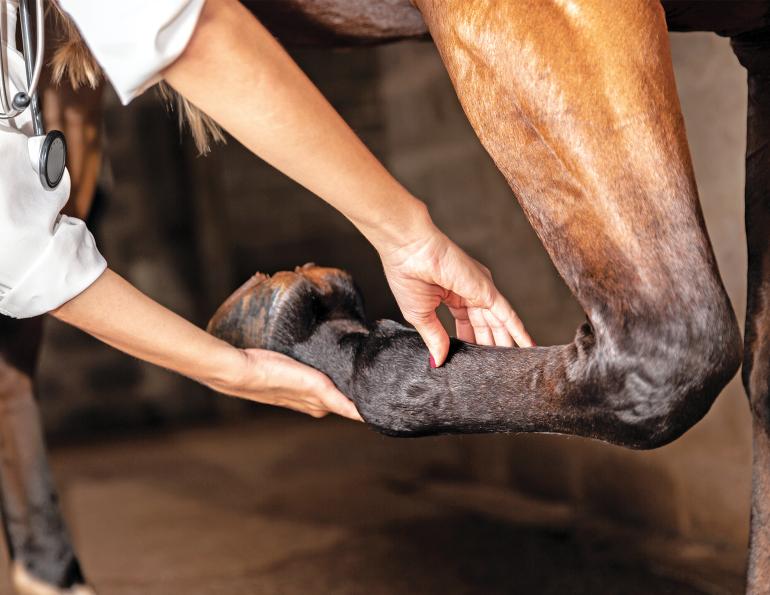
It is estimated that a staggering 60 percent of all equine lameness is due to arthritis and joint disease. One of the biggest challenges is that some arthritic horses might not show signs of lameness when there is damage and inflammation in the joint; therefore, proper prevention and early diagnosis is key to managing the progression of joint disease. There are many potential causes of equine arthritis.

racehorse death, sudden death racehorses, drugs and racehorses, thoroughbred horses, journal of the american veterinary medicine, equine injury database, equine science update, mark andrews

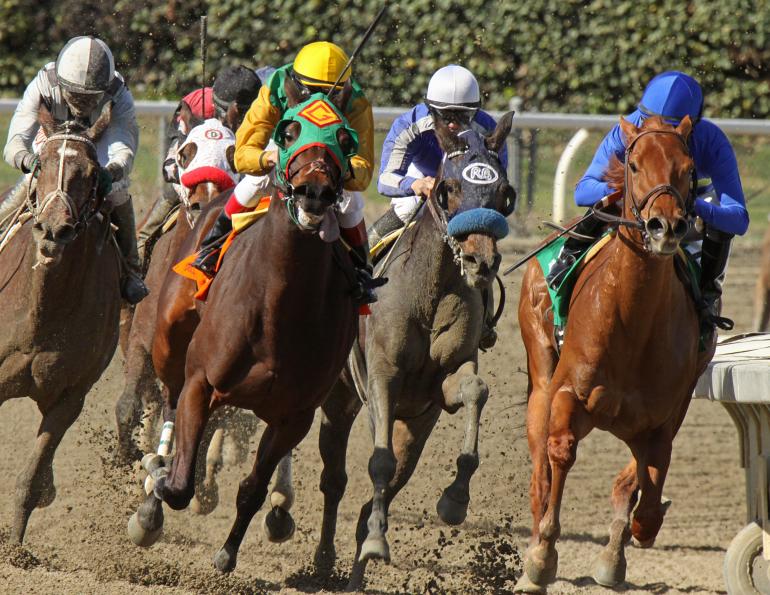
A drug that has been widely used in Thoroughbred racehorses in North America could increase the risk of sudden death, according to a new study. The research also identified other risk factors associated with sudden death, relating to the circumstances of the race and individual histories of the horses.

nutrition for the foal, calcium for mare and foal, creep feed system, shelagh niblock, deveopmental orthopedic disease equines

Managing Nutrition for Safe Growth in Young Horses - For any horse owner, the birth of a foal is always an eagerly awaited event. That baby, the product of the carefully planned mating of two superior parents, can elicit a range of emotions for the owner, including excitement and awe, but often anxiety and worry as well. One of the concerns the owner of a newborn foal may have involves the risk of the foal developing developmental orthopedic disease (DOD), which is a name applied to a group of conditions that can affect the growing foal, including physitis, acquired angular limb deformities, flexural deformities, cervical vertebral malformations, acquired vertebral deformities, and finally, osteochondrosis (OC).

Pages