Foal

How to Care for Your New Foal

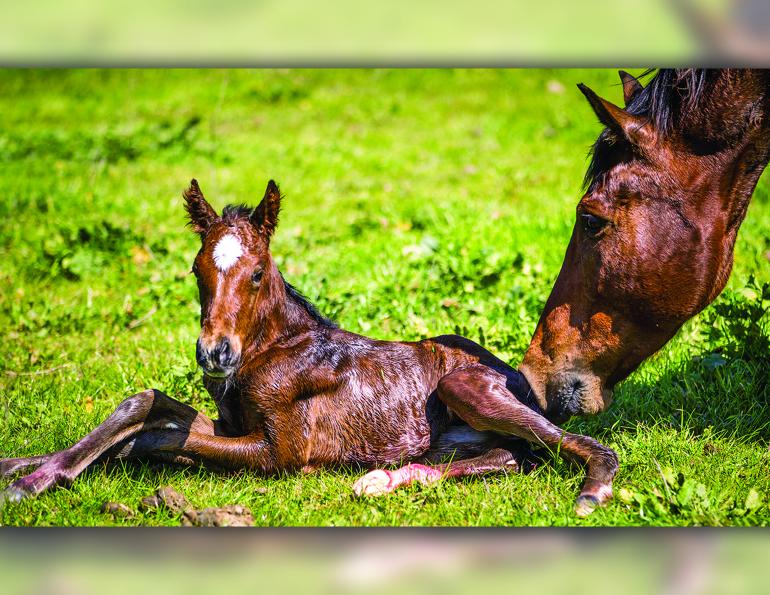
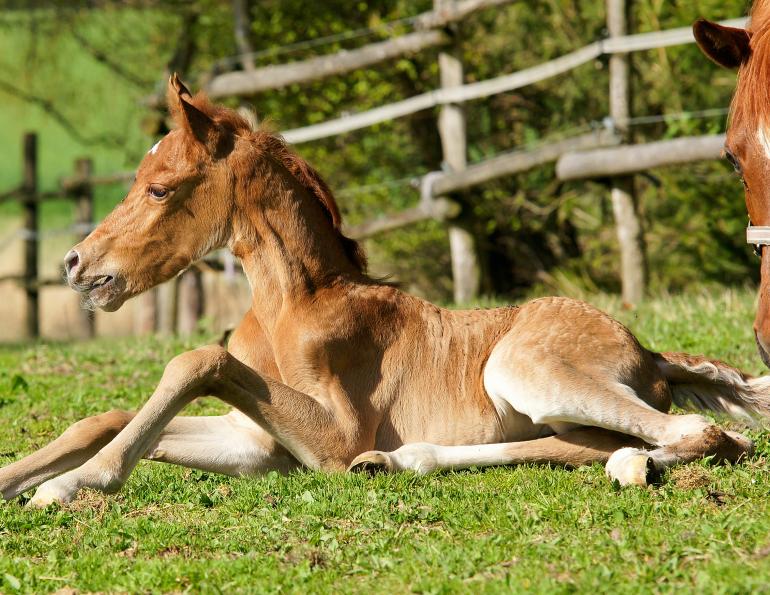
After an 11-month wait, your foal has finally arrived! Now, it's crucial to provide the right care to ensure a strong, healthy start. Here’s what you need to do in the first critical hours of life.

anxious horse, bombproofing a foal, nervous foal, protecting foal, safety horses, international society for equitation science

Using an objective fear assessment, fearful horses can be identified early on in their lives, before they are weaned from their dams, reports a recent study. This early identification presents an opportunity to place these more fearful horses in the care of experienced handlers from the start, which could help reduce the risk of accidents and enhance the overall well-being of the horse.

breeding racehorses, mare's age, equine science update, research horses, breeding stallion age, breeding thoroughbreds

Recent research shows that increasing parental age at conception has a detrimental effect on race speed. When a split-second can separate the horses at the end of the race, the slightest advantage can give the winner the edge. Research from the University of Exeter found that the speed of Thoroughbred horses declines as the age of their parents when they were conceived increases.

cloned horse, przewalski horse clone, san diego zoo safari park clone, equine science updates, mark andrews horse science

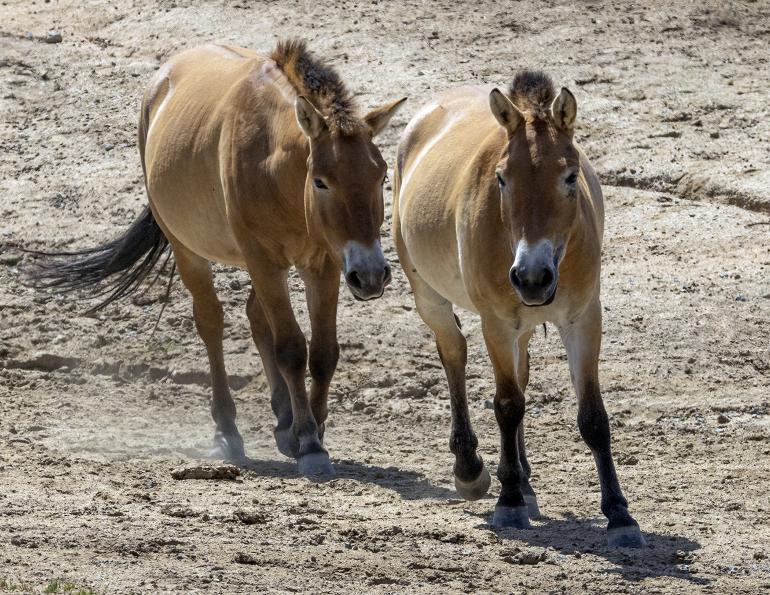
A rare Przewalski’s horse named Kurt, produced by cloning in 2020, is thriving at his home at the San Diego Zoo Safari Park and learning the language of being a wild horse from Holly, a young female of his own species.

nutrition for the foal, calcium for mare and foal, creep feed system, shelagh niblock, deveopmental orthopedic disease equines

Managing Nutrition for Safe Growth in Young Horses - For any horse owner, the birth of a foal is always an eagerly awaited event. That baby, the product of the carefully planned mating of two superior parents, can elicit a range of emotions for the owner, including excitement and awe, but often anxiety and worry as well. One of the concerns the owner of a newborn foal may have involves the risk of the foal developing developmental orthopedic disease (DOD), which is a name applied to a group of conditions that can affect the growing foal, including physitis, acquired angular limb deformities, flexural deformities, cervical vertebral malformations, acquired vertebral deformities, and finally, osteochondrosis (OC).

ethical decisions about equine genetic diseases, Lindsay Day, equine research, mutation equine genetic code, Hyperkalemic Periodic Paralysis, HYPP, Hereditary Equine Regional Dermal Asthenia, HERDA

Recent advances in genetic research have paved the way for more effective identification and screening of genetic diseases in the horse. With these developments come new ethical considerations with respect to breeding practices, testing, and disclosure.

mare rejecting foal, foal rejection, collecting colostrum horse, mare colostrum collection, betty baxter horse

Close Call - I staggered up to the house at 5:30 in the morning, kicking myself for being stupid. How could I have been so cocky as to breed horses for 20 years and not learn how to milk a mare properly? If the newborn colt didn’t get colostrum soon, I’d be rushing for the first ferry to get him and his mother to a vet clinic in the valley. But how was I going to load him into a trailer with Lucky, when she was terrified of him? My eyelids kept closing as I set the alarm for 7am and fell onto the bed, nursing the slim hope that when I woke I could find some local help. Ninety-five percent of foals are born safely, standing

collect colostrum, how to collect colostrum for foal, colostrum from mare, orphaned foal

If you have a pregnant mare in your barn, plan ahead to collect and freeze some of her colostrum — that all-important first milk — so you have it on hand if a foal is born without access to this essential liquid.

types of flexural limb deformity foal, abnormal foal fetal development, foal malnutrition diseases, uc davic center for equine health

Flexural limb deformity occurs in two forms. The first form, also known as contracted tendons, clubfoot, or knuckling, is the inability to extend a limb fully. The condition may be present at birth (congenital) due to improper positioning in the uterus (which can lead to dystocia in the mare), abnormal fetal development, disease or malnutrition in the dam; or acquired as the result of nutrition (abrupt changes in amount or quality of feed leading to rapid growth), polyarthritis, trauma, or disease. It is a common condition in foals, usually occurring anytime from birth to 14 months of age.

cryptosporidiosis horses, gastrointestinal diseases foals, horses gastrointestinal disease, sick foal, parasites in horses, uc davis center for equine health

Commonly seen in young foals, this infection can be fatal if left untreated. Parasites in the genus Cryptosporidium are an important source of gastrointestinal disease in humans and animals globally. These highly contagious parasites infect the intestine and cause diarrhea and weight loss.

Pages