59 Articles

desensitizing the horse, Horsemanship Horse Training, restarting horse training, jonathan field, training young horse

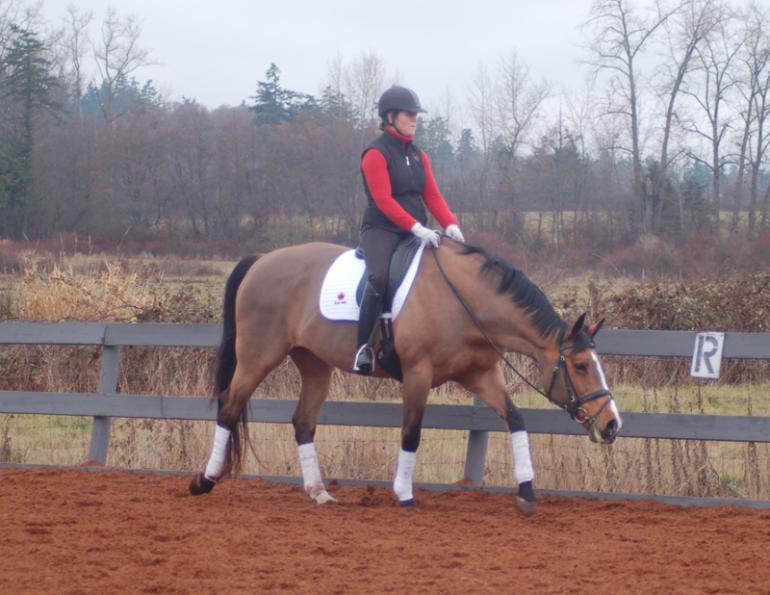
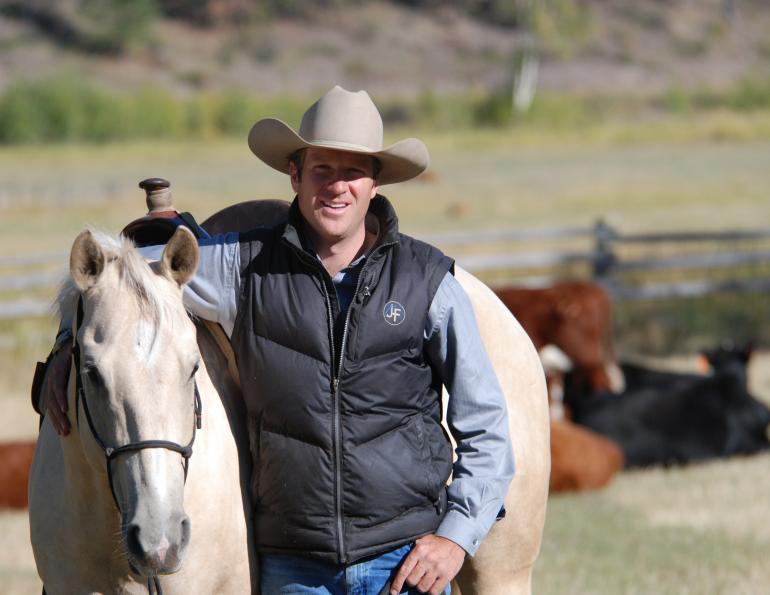
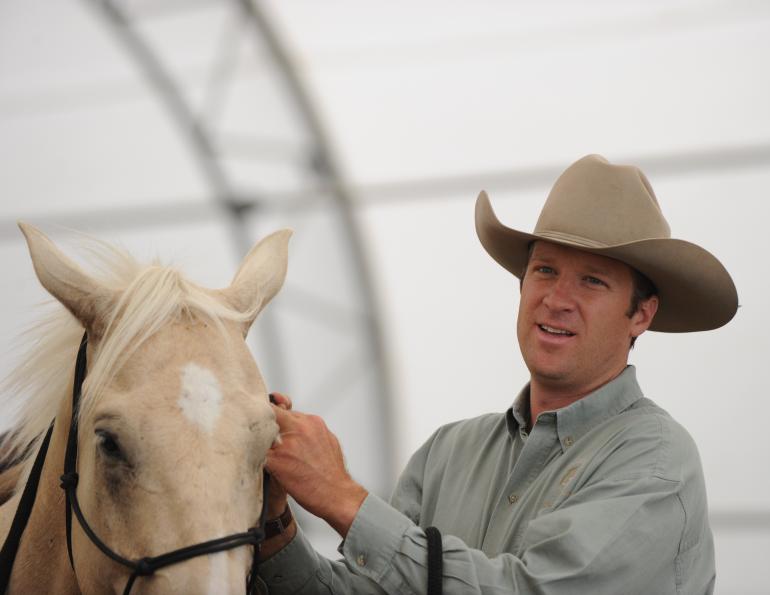
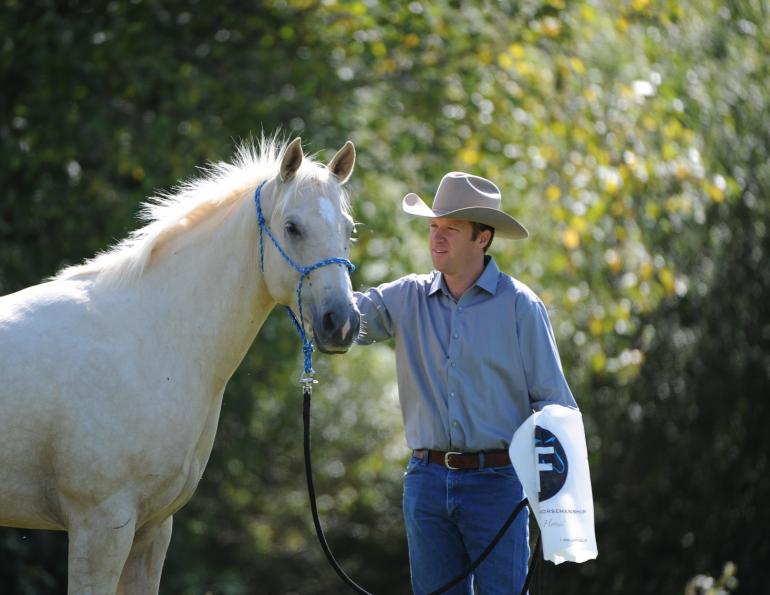
Halo is a sleeper. When I first met him, I was told that he was a really calm, cool guy. Only one problem: every once in a while, out of what seemed like nowhere, he’d buck and he’d buck hard. As I got started with Halo, it became very apparent to me that while he had been ridden for some time now, he would need to be essentially restarted under saddle.

Stan Walchuk Jr, horse camping, equine camping, equine camping safety tips, packing for horse trail ride, stan walchuk jr

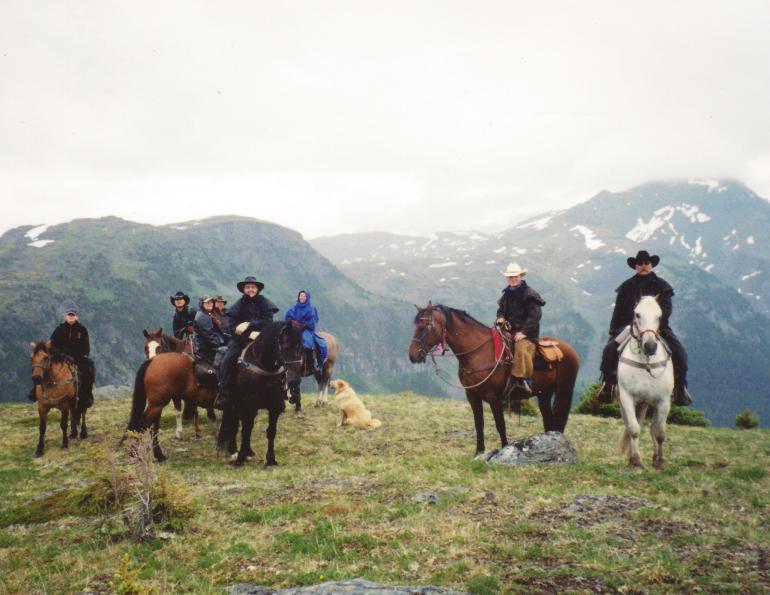
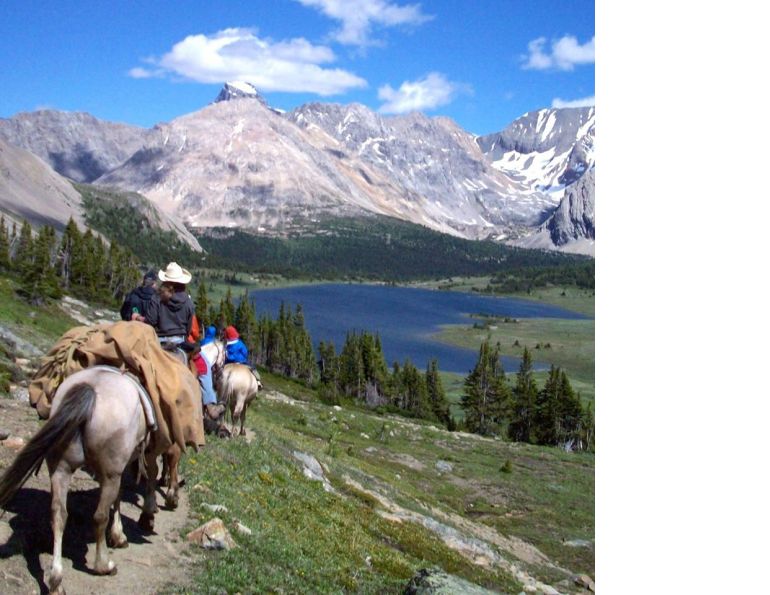
Enter trail riding. Rediscover the feel of the horse, its power, and its ability to go places — special places. It’s all about losing stress, not adding stress. It’s about contentment, happiness, and appreciation of good company and the beauty of the great outdoors. Rediscover your horse and yourself through trail riding and horse camping.

horse camping, packing for horseback trip, packing for horse trail ride, stan walchuk jr

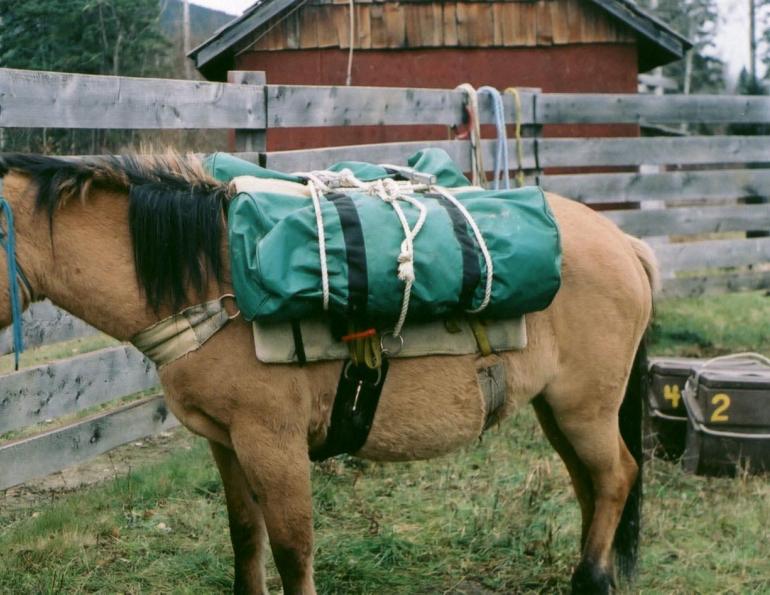
Remember that all horse activities, particularly trail riding and packing horses, are safest if the horse is friendly and completely desensitized. This means that the horse stands calmly when noisy objects like tarps are rubbed along his back, and ropes are placed around his feet, between his back legs, and under his tail. Desensitizing must be done slowly, with caution, and be successfully completed.

Stan Walchuk Jr, horse camping, equine camping, equine camping safety tips, packing for horse trail ride

Horse camping is simply trail riding with enough gear to stay overnight. It adds meaning to your adventure: new country, new scenery, new trails, new challenges, and learning more about yourself and more about horses.

riding green horse, riding inexperienced horse, will clinging

With the green horse there is also a safety factor that is not always present with a schooled horse. If we do too much the potential for the green horse to react violently is very real, yet to continue learning there must be a challenge to improve every day. The amount of improvement will be different each day, but there must be some.

horser discipline tactics, understanding horse behaviour, understanding different horse temperaments, disciplining your horse

I wrote about how many horses are developing different behaviour patterns because of the affection and lack of effective discipline they receive. I have been pleasantly surprised at the number of people I’ve heard from who recognize that their horse fits into this scenario. Recognizing the problem is the first step in resolving it.

Do horses have just one toe or several? do horses have five toes? understanding equine foot

Researchers at the New York Institute of Technology, College of Osteopathic Medicine (NYITCOM) are suggesting that, in fact, the four side toes did not completely disappear but remain even today as remnants still present within the horse’s modern lower leg and hoof. Scientists widely accept that the essentially redundant splint bones – the small bones found along the outer sides of the metacarpal or cannon bone - are remnants of the second and fourth toes.

Acera Insurance (formerly CapriCMW), Managing Risk in horse Industry, changing horse industry, horse insurance in canada, intercity insurance, capri insurance

Horses and risk are words that often appear together. Riding, trailering, coaching, operating a boarding facility, working with horses and the public – pretty much anything that involves a 500-kilogram horse and a 60-kilogram human - has elements of risk. Historically, those risks weren’t well recognized or managed. For example, velvet-covered hunting caps looked pretty but did little to prevent concussions, while uncertified coaches routinely plopped unsuspecting children on devilish ponies adept at dumping their charges.

Equine Guelph researchers are continuing to put Canada on the map in the world of horse welfare research – this time focusing on the use of training equipment in horses. The researchers, led by Dr. Katrina Merkies, were interested in how often riders and trainers use training equipment, such as whips, spurs, and head-control equipment (martingales, draw reins, etc.), and how often horse enthusiasts not actively involved with horses think that the equipment is used.

horse instincts reactions vs. Response, teaching your horse controlled responses, teach horse overcome bad habits,

The most basic instincts of the horse are related to its survival as a prey animal. First and most obvious is the fear instinct, commonly referred to the fight-or-flight instinct. Second is the herd instinct, the inborn desire to be inside the nucleus of the group, and the instinctive understanding of herd hierarchy, dominance, and how to fit in. Third is the horse’s acute awareness and sensitivity to their surroundings, including other horses and people.

Choosing horse Feed Supplements, Kentucky Equine Research, Dr. Peter Huntington, equine Protein deficiencies, equine supplements, horse minerals, equine electrolytes

For retired horses standing in the field all day, grass may supply all the nutrients needed for energy and tissue maintenance. If a horse does much more than this, however, it might need feed supplements to make up dietary deficiencies related to training, performance, or reproductive state.

Equine Dental Care, horse teeth care, horse dental care, equine dental surgery, western college of veterinary medicine, wcvm, equine dentistry

Regular checkups are an investment in your horse’s health - Everybody knows the importance of regular dental checkups when it comes to human health, so it should come as no surprise that horse health is just as dependent upon regular oral health checks.

bill desbarres canadian horse council, bill des barres canadian equestrian federation, bill debarres ec breeds and industry division

2012 Readers' Choice Award Winner - Since 1953, when he first volunteered as a board member for a local Nova Scotia exhibition association, Bill desBarres has devoted himself to promoting equine welfare in Canada. He has served on committees, chaired associations, and volunteered countless hours, all in service of the horse. When once asked why he worked so tirelessly as an equine advocate, Bill responded, “My horses raised good kids, and now it is time to give back.”

feeding differences between horses and donkeys,  what do donkeys eat?, donkey diet, donkey obesity, donkey feeding strategies, do donkeys and horses eat the same diet?

Donkeys are highly adaptable feeders. If given the opportunity, they will consume a variety of different grasses and shrubs to obtain sufficient nutrients. It is generally accepted that the donkey can exist with less food than a horse. Their efficient utilization of food makes donkeys easy keepers, but don’t let the term misguide you. It is important to take care in determining when and how much to feed as obesity is a major concern in modern domesticated donkeys.

Do zebra stripes repel flies? are zebra striped horse blankets helpful? why do zebras stripes repel flies

Scientists learned in recent years why zebras have black and white stripes — to avoid biting flies. But a study published on February 20, 2019 in the journal PLOS ONE probes the question further: What is it about stripes that actually disrupts a biting fly’s ability to land on a zebra and suck its blood? Professor Tim Caro of the University of California, Davis, and University of Bristol’s Martin How led a series of new experiments to better understand how stripes manipulate the behaviour of biting flies as they attempt to come in to land on zebras.

equine endometriosis, horse endometriosis, jcs veterinary reproductive services, juan samper

By Juan C. Samper, DVM - Endometritis, which is the inflammation (swelling and irritation) of the uterus, is the main reason for mares not becoming pregnant. This inflammation can be acute or it can be chronic; in other words, this inflammation could be something that is occurring for the first time or it could be a problem that has been going on for a long time.

reaching your horse riding goals, Karen Brain, Judi Island, Lauren Barwick, horse riding spinal cord injury, horse rider psychology

In the previous article, we shared the first half of an interview with para-equestrians Lauren Barwick, Karen Brain, and Judi Island. In this, the second part, they share more about what they do to stay fit to ride and compete, advice for developing riders, athletes, and parents, and how to “be all you can be.”

reaching your horse riding goals, Karen Brain, Judi Island, Lauren Barwick, horse riding spinal cord injury, horse rider psychology

As I learn about para-equestrianism and work with people with disabilities in my own fitness training practice, I never cease to be humbled and impressed by the sheer athletic spirit I encounter: discipline, determination, winning attitude, and pure hard work. When I look at athletes for examples we can all learn from, it’s hard to miss noticing the achievements of our Canadian Paralympians.

Przewalski Horse, are Przewalski Horses wild?, evolution of Przewalski Horse, Przewalski Horse Chernobyl

Recently, genetic research published in the journal Science showed that the Przewalski’s horse, also known as the Mongolian wild horse and the Takhi, was actually not wild as defined by its heritage but descendants of the horses first domesticated by Botai people of Kazakhstan over 5,500 years ago.

horse nutrition, prevention colic horses, feeding horses hindgut, electrolytes horses, supplements for horses, equine digestive system

Like humans, horses are classified as monogastrics (an animal with a single-chambered stomach); however, unlike humans, horses have a highly specialised and enlarged cecum and colon, collectively known as the 'hindgut'. The hindgut plays some important roles in horse health, including fibre digestion, hydration, electrolyte balance, and vitamin supply.

Pages