14 Articles

Canadian equine registry, Canada's equine registry, equine registry Canada (ERC), Acera Insurance, Ontario Equestrian ERC, Horse Council BC ERC, OE ERC, HCBC ERC, horse registration services in Canada

Have you ever had to round up your horse’s records when you changed barns, entered a horse show, or crossed the Canada/US border — vaccinations, Coggins, proof of ownership, breed registration, and more? Some of those records were likely electronic while others were probably hard copies in a file folder somewhere. It can be painful having to dig everything out.

Mādahòkì Farm, Lac La Croix Indigenous pony, Lac La Croix ponies, Gakijiwanong Anishinaabe Nation, unique pony breeds, zebra stripes on pony legs, importance of preserving horse breeds, TJ Stables, mare Wishkossiwika, Fred Isham, Ojibwe Horse herd, The last roundup

The Lac La Croix Indigenous pony, named after the Lac La Croix First Nation, now the Gakijiwanong Anishinaabe Nation, primarily existed in northwestern Ontario and across the United States border into Minnesota. This unique pony breed, considered to be developed by the Indigenous Peoples, was used for winter transportation, running trap lines, hauling logs and ice, and pulling sleighs. As forest dwellers, the breed boasts strong hooves to endure the rocky terrain of the Canadian Shield; fuzzy ears to protect them from insects; and often a dorsal stripe down its back and zebra stripes on its legs.

Horse psychology, equine psychology, how horses' brains work, understanding the psychology of your horse, neurochemical action in the horse’s brain, Li Robbins, understanding the similarities between horses and humans, understanding the between horses and humans, horse brain human brain by Janet jones

Humans have been known to have a superiority complex: a belief that we deserve dominion over the fish in the sea, the birds in the sky and, well, everything everywhere. Given our capacity for rational thought, not to mention our linguistic and creative abilities, we tend to see ourselves as the big cheese in the universe.

crystalline sillica riding stable, dangers of riding arena dust, health hazards riding arena dust

Those who primarily work in riding arenas or round pens with sand footing, such as equestrian riding coaches, riding instructors, and horse trainers, are at an higher risk of respiratory issues.

Traversing Canadian Rockies, Tania Millen, holidays on horseback, Alberta pack-trip, Azure Lake, Sulphur River, Jasper National Park, Summit pass, crossing Chown Creek

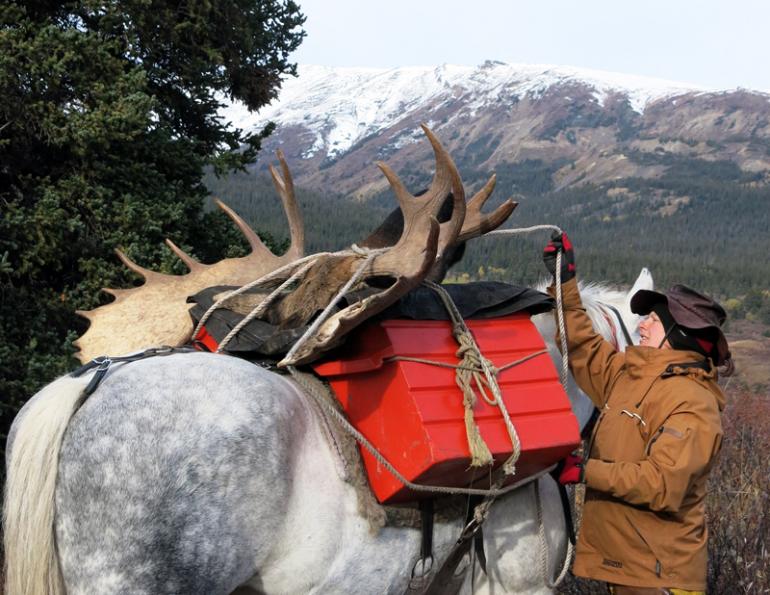
Day one of our three-week pack journey was off to a rough start. All seven horses in the line were jumpy—especially Chocolate, my Spanish Mustang. Unfamiliar with the horses around him and unhappy about leading one he didn’t like, he was clearly unsettled.

desensitizing horse, my horse is spooky, whole horse podcast, alexa linton, horse scared, how to disensitize horse, trauma horse, horse signals, freedom based horse training, emotional horsemanship, lockie phillips

A closer look at the troubling physiology behind this common practice and how to support curiosity and courage in our horses instead.

biosecurity on the horse farm, interprovincial equine event strategies, what is biosecurity?, biosecurity strategies for equine events, how to keep your equine event safe from biosecurity, outbreaks, keeping equids safe at equine events, Maxwell H. Gluck

“Event Cancelled. Quarantine in Effect.” No equine event manager or exhibitor wants to hear these words. However, the growing number of equestrian events, increased interprovincial and international equine movement, and the rising concentration of horses at individual events have all heightened the risk of infectious disease outbreaks and transmission.

horse fencing, barn fire sprinklers, continuous fencing horse farm, custom designed horse fence, gates for horses, ranch fences, canadian horse fencing, cf fences

At CF Fence in southern Okanagan, BC, owner Alan Cossentine recognizes the value and importance of safe, reliable fencing for livestock on farms and ranches.

Omega-3s for horses, Omega-6s for horses, understanding horses supplements, what supplements should I feed my horse, equine supplements, equine Omega-3s, equine Omega-6s, Madeline Boast, Metabolic Pathway for horses, equine Metabolic Pathway, benefits of Omega-3s for horses, benefits of Omega-6s in horses, Linseed oil source of Omega-3s, grain-free for horses

As a horse owner, you may be curious about the potential benefits of adding omega-3s to your horse’s diet. Do all horses need them? Should you be adding them to your horse’s diet? Are there well-reported benefits? Understanding the requirement for fatty acids in the equine diet, like omega-3s (O3s) and omega-6s (O6s), and the well-reported health benefits of them is important when considering supplementation.

trail riding canada, horseback riding canada, ya ha tinda working horse ranch, camping with hores canada

Did you know that a stunning working horse ranch, backed by the Canadian government and open to trail riders, sits on the doorstep of the Rocky Mountains? Yes, it’s true. Ya Ha Tinda Ranch — owned and operated by Parks Canada — is the only federally run horse ranch in the country and marked its 100th anniversary in 2017.

flies that bother horses, keeping flies off horse, flies on horse eyes, diseases flies equine, fly masks

Summer brings with it a surge in insect activity, and flies can quickly become a serious source of discomfort for horses. These pests are more than just irritating—they can transmit disease and provoke allergic responses.

blindfolding horses, equine guelph studies, fire drills horses, evacuating horse barns, leading a horse blindfolded, horse welfare

Compliance or Confusion? If you are a Black Beauty fan, you will recall the scene where Beauty is being led from a burning barn and he’s scared. James puts the blindfold on to instantly calm him down, and then he’s able to be rescued. Written in 1877 by Anna Sewell, the novel was based on how horse handling looked back then. Thanks to scientific research, we now know a lot more about horse behaviour and equine welfare.

managing resistant horse parasites, donna foulk, horse parasite control, Small strongyle larvae, horse manure, horse parasites, horse care, Parasite Control Program, horse deworming

Parasite prevention remains a vital part of maintaining horse health—but gone are the days when you could rely on a routine deworming every eight weeks with the same product.

HORSE FARM RATs, keeping rats out of horse stall, rats in equestrian centre, rat control horse barn, proper food storage horse barn, signs of rats, diseases from rats to horses

While horses are the heart of any stable, there’s a hidden menace that can undermine their health, safety, and even the structural integrity of the facilities: rats. These unwelcome intruders pose serious risks to equine operations by spreading disease, destroying property, and contaminating food and bedding. Understanding the threat and implementing robust prevention and control strategies is essential for protecting both animals and infrastructure.

Keep your neighbours informed of suspicious activity, horse farm security, secure farm, turn your horses out without halters, horse barn alarm system, horse barn closed-circuit TV system, secure horse paddock, horse tattooed, horse branded, horse microchip

1. Consider having your horse tattooed, branded, or microchipped. Those with permanent identification will have a much better chance of reunion with the rightful owner, if found.

toxic plants to horses, toxic weeds to horses, equine laminitus, andrea lawseth, poisonous horse plants, Andrea Lawseth, field horsetail toxic horse, Water hemlock toxic horse, Stork’s bill toxic horse, Johnsongrass toxic horse, pyrrolizidine alkaloids toxic horse. Poisonous plants horses, equine laminitis

"My horse is smart enough not to eat toxic plants" - This is a comment I often hear during property visits focused on responsible manure and pasture practices. While it’s true that horses generally avoid undesirable or toxic plants when there’s ample healthy forage available, issues tend to surface when pastures are overgrazed and food choices become limited. That’s when horses may resort to eating weeds or harmful plants. It’s essential for horse owners to recognize which plants pose a threat and to understand how to control their presence in grazing areas.

NFTRA therapy horses, North Fraser Therapeutic Riding Association, horse community heroes

In the world of therapeutic riding, a multitude of heroes make a lasting impact. Selecting just one to honour as a Horse Community Hero is never easy — but in this issue, two remarkable therapy horses stand out: Rupert and Buck.

Swallowfield Eno Kelbeck, Roxanne Salinas Bear Hollow Farm Canadian Horse, Ken Morris CHHAPS, Canadian Horse Heritage and Preservation Society, Canada's National Horse, Swallowfield Farm Ladysmith, Danadream Farm Quebec, Canadian Horse Breed Pedigree Book, First Farms Canadians

Roxanne Salinas of Bear Hollow Farm in Lone Butte, BC, has been a tireless advocate and historian of Canada’s National Horse for a quarter century. As we celebrate Canada Day 2025 and all things Canadian, Ms. Salinas gives us a sneak peek into her upcoming book, Canada’s National Horse: A History.

canter lead, correct canter lead, horse picks up wrong lead, lindsay grice horse trainer, my horse doesn't canter right, exercises to improve canter

Every Time, Everywhere - Wrong lead! It’s one of the earliest alerts a young rider hears from her coach. One’s heart sinks to hear that same alert from the coach calling over the show ring rail. The novice rider learns the outside leg back and kiss cue to canter but I’ve found that riders are often unsure why they should use this cue. Let’s break it down. We’ll review the phonics of teaching your horse to pick up the correct lead and some hints to help the rider recognize it.

wildfire smoke horses, protect horse smoke inhalation, how to tell if wildfire smoke dangers horses, smoke on a horse farm, air quality index

Canadian equestrians breathe a sigh of relief when long-awaited spring weather finally arrives and the outdoor riding season begins in earnest. Time to fit up our horses and ourselves for trails, competitions, and the pleasure of spending time outdoors, finally free of the layers of winter gear and horse hair that come with the chillier seasons…

Pages