McGivern, Annika Articles

how to be a good horse rider, psychology horse riding, nervous riding horses, anxious in show ring equine, annika mcgivern, perfectionism horse riding

Most of us see perfectionism as a harmless tendency to hold ourselves to high standards, or a reluctance to accept mediocre results. In fact, many of us consider perfectionism to be a positive trait, a sign that someone cares and is deeply driven to succeed. Unfortunately, this casual acceptance of perfectionism conceals a potential danger because a lack of clarity around what perfectionism is and isn’t opens us up to a fatal error. Unknowingly, we celebrate and endorse a habit that leads to unnecessary pain and suffering, as well as impacts our performance.

ANNIKA MCGIVERN equestrian psychologist, improve relationship with horse, enjoy riding horses

In my work as an equestrian sport psychology coach, I spend a lot of time talking with riders about guilt. It seems that we riders experience a lot of guilt in response to an amazing variety of circumstances.

mindfulness with horses, annika mcgivern equestrian psychologist, enjoying horse riding, connect with my horse

Beliefs shape us. They are an essential part of the framework we use to understand ourselves and how the world works. They shape our perspectives and choices, and influence the very realities we create for ourselves. In short, they are an extremely important element of performance. And yet, because they exist at a subconscious level, we are rarely aware of their influence on our outcomes and success.

how to stay calm while riding my horse, how to learn from my horse riding mistakes, annika mcgivern, enjoying my horse ride

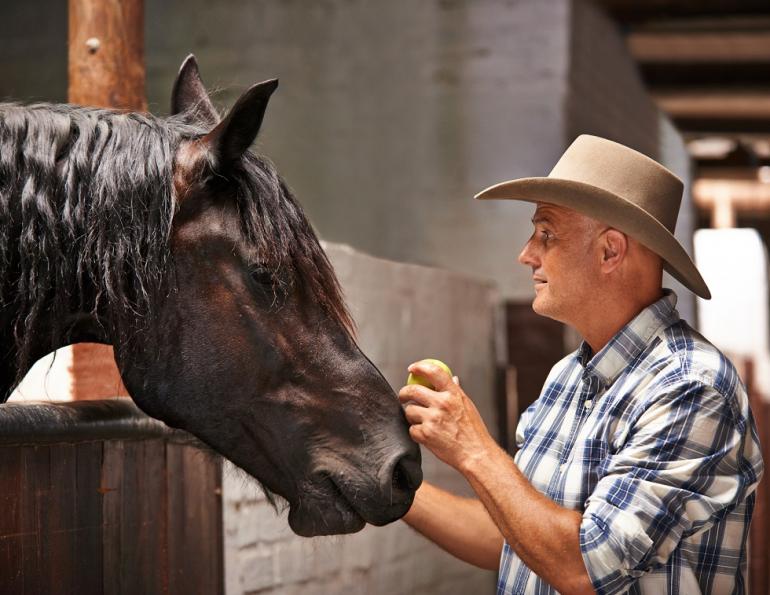
Every equestrian knows the magic of our unique bond with our horses. It is a relationship that sits at the centre of our lives, supporting us and challenging us in equal measure. Every minute spent with our horses has a big impact on our well-being, which is an individual’s personal experience of good mental health and satisfaction with life. Research now supports what horsey folks have known for years: spending time with horses is good for us, so much so that horses are increasingly being used as a source of therapy. Studies have demonstrated that time spent interacting with horses increases positive emotions, decreasing depression and increasing social connection skills in children and adults alike.

annika mcgivern, rider athlete, mental health horse people

Finding and Owning the Equestrian Athlete Identity - At its core, equestrian sport is a partnership between horse and human. This relationship is unique, and it affects both the culture of the sport and our identity as athletes. Today, we are going to look closely at our equestrian athlete identity.

annika mcgivern equestrian psychology, horse-rider psychology, horse people covid-19

A couple of months ago, reality shifted as the COVID-19 pandemic reshaped our lives. We were all left facing challenges beyond anything we could have imagined. The equestrian community is no different from any other community in finding itself cut off from normality, but we are dealing with the added emotional challenge of being disconnected from the thing that grounds us in difficult times: our connection with our horses. We may also face distress over the financial impact of this unprecedented event on our lives, businesses, and the welfare of our animals.

Pages