Fitness

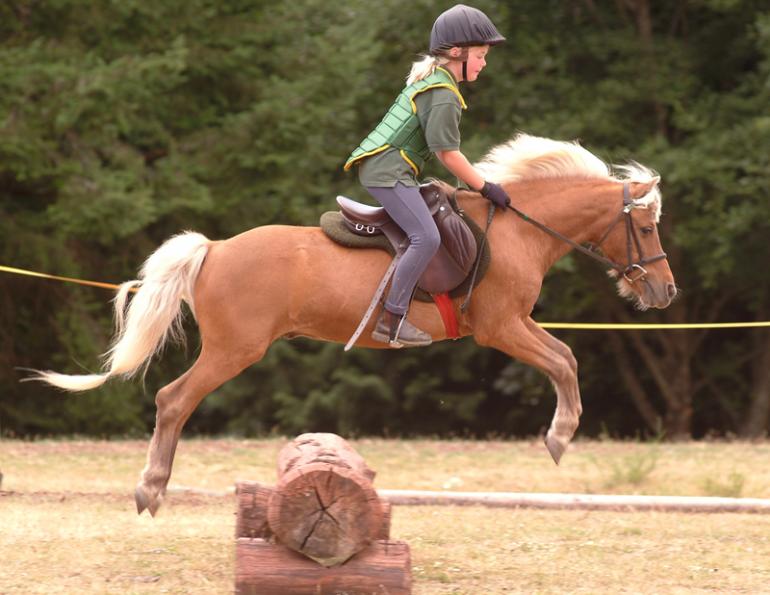
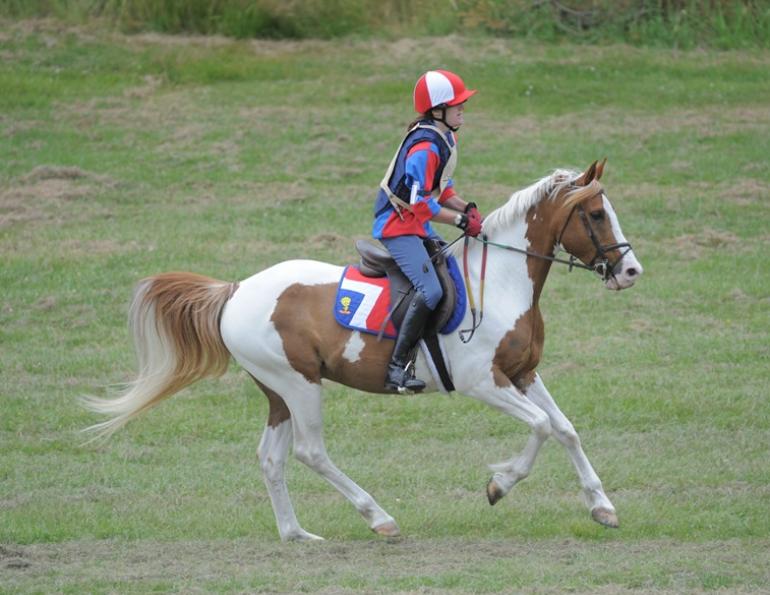
As riders, younger children are best introduced to as wide a variety of equestrian disciplines as possible. There is plenty of time for them to specify as they mature and start to show clear strengths and tendencies. In the meantime, fostering a healthy sportsmanship and leadership attitude, and other qualities such as patience and self-discipline early on, will provide them with psychological tools to excel under pressure later in life.

equestrian youth, rider training, rider fitness, heather sansom, how to get a child fit for riding horses, exercises for children equestrians

Riding can be a fantastic growth opportunity for children. Like any other sport, riding provides ample circumstances for children to learn great life skills like good sportsmanship, responsibility, commitment, and active lifestyle habits. Being in a relationship with another living creature and accomplishing tasks together adds further benefits.

reaching your horse riding goals, Karen Brain, Judi Island, Lauren Barwick, horse riding spinal cord injury, horse rider psychology

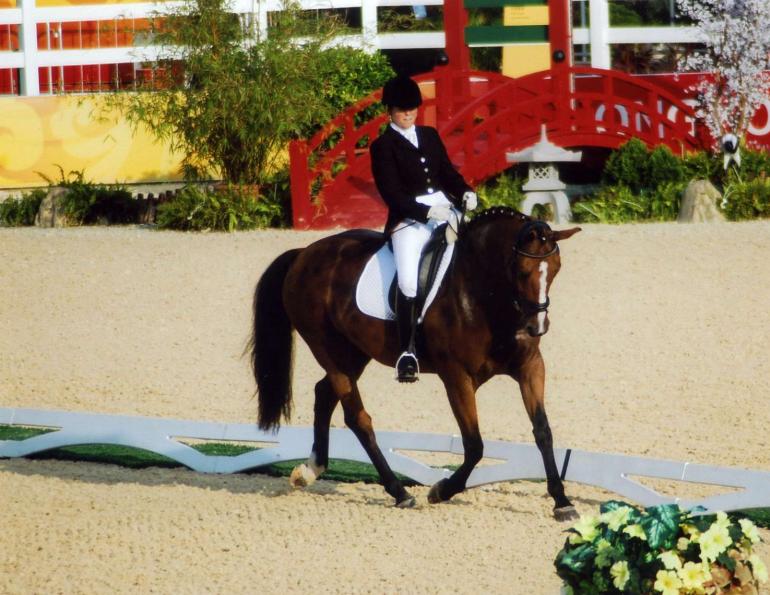
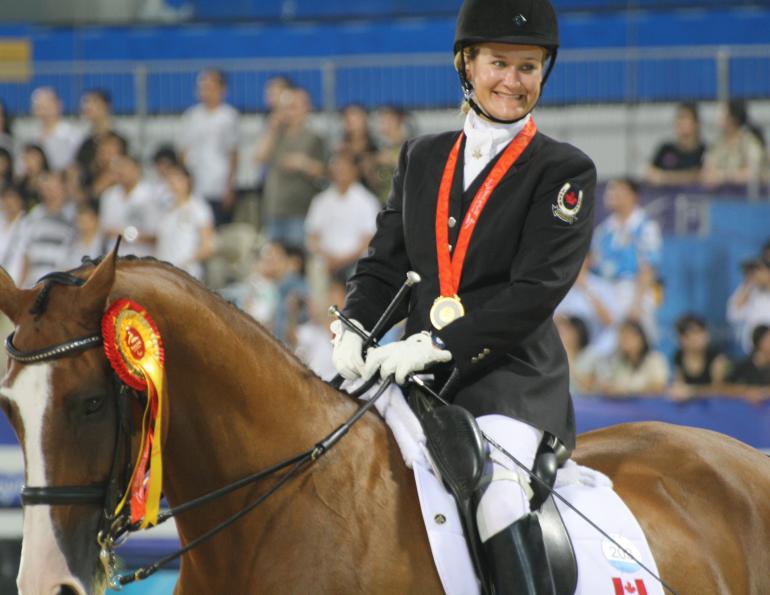
In the previous article, we shared the first half of an interview with para-equestrians Lauren Barwick, Karen Brain, and Judi Island. In this, the second part, they share more about what they do to stay fit to ride and compete, advice for developing riders, athletes, and parents, and how to “be all you can be.”

reaching your horse riding goals, Karen Brain, Judi Island, Lauren Barwick, horse riding spinal cord injury, horse rider psychology

As I learn about para-equestrianism and work with people with disabilities in my own fitness training practice, I never cease to be humbled and impressed by the sheer athletic spirit I encounter: discipline, determination, winning attitude, and pure hard work. When I look at athletes for examples we can all learn from, it’s hard to miss noticing the achievements of our Canadian Paralympians.

BioRider Fitness believes that horseback riders are athletes, and should train like athletes. Regardless of whether the objective is jumping fences or mastering a dressage test, riders who incorporate cross-training working into their lifestyle achieve more success in the saddle.

Pages