How-To

confident in saddle, nervous on a horse, staying calm on horse, how to get horse pay attention, equestrian psychology, Annika McGivern, how to enjoy riding horses

What do you believe is more important in our work with horses: knowledge or curiosity? It’s easy to see why knowing the answer is desirable, but valuing knowledge over curiosity can create pressure, frustration, and low confidence. Not being able to use curiosity as a mental skill can cause us to wind up in never-ending cycles of frustration and perceived failure in our journey as equestrians.

jec ballou, conditioning horse, training young horse, exercising horse, jec ballou exercises, ground pole exercises

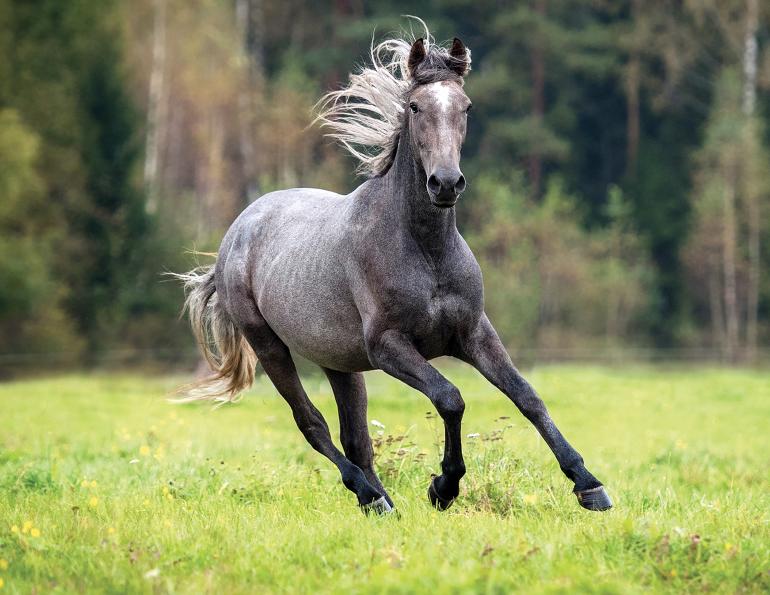
Should young horses be left in pasture to grow up or brought in to begin their training? While arguments can be made in favour of each plan, the ideal approach is actually somewhere in the middle. In order to enjoy athletic lives later on, youngsters do need regular exercise, but the structure of their training should differ from that of a mature horse. Primarily, it should be shorter, slower, and avoid concussive skeletal forces.

how to plan emergency horses, burwash equine services, dr. crystal lee burwash, ultrasound for horses, physical exam horses, abdominal tap horse, nasogastric tube horse, puncture wound horse

Plan ahead and know what to do when the unexpected happens - If you own horses, you will experience an emergency with them at one point or another.

injured horse, trick training horse, non-riding horse activities, teaching horse manners, jonathan field, how to handwalk a horse

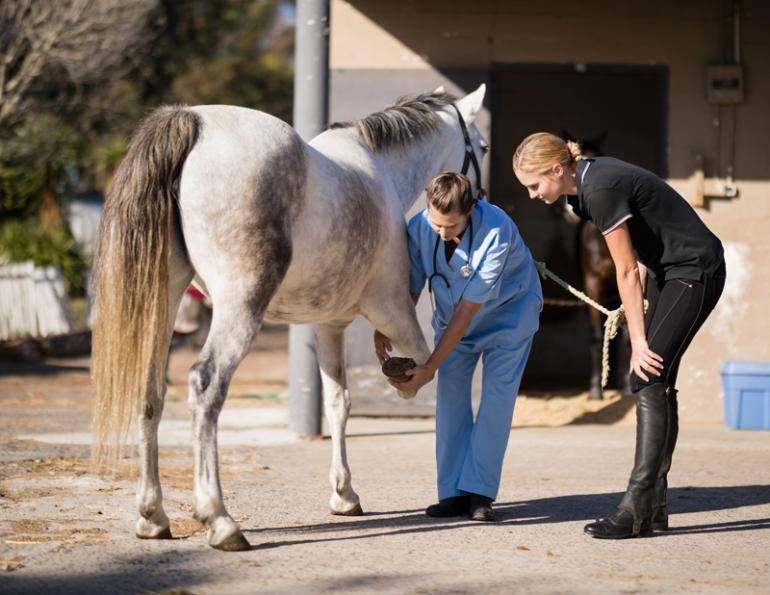
Sooner or later, most horse owners have the unfortunate experience of dealing with an injured horse. It’s common sense to have a veterinarian assess what’s wrong as soon as your horse becomes injured, but a vet will also help create a rehabilitation plan, advise how long the recovery period will be, and provide post-recovery expectations.

horse forage diet, equine forage-based diet, madeline boast, equine gastrointestinal GI anatomy, equine gi tract, gastric ulcer horses, how to take hay sample, analysing horse hay, nutrient requirements for horses, digestible energy horses, crude protein horses, sugar and horses

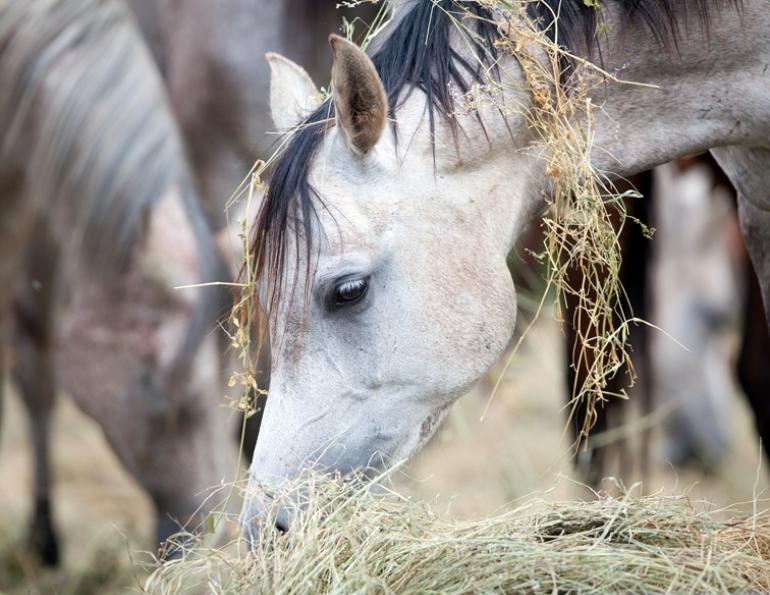
Most horses are maintained on a forage-based diet, meaning that the primary component of their daily ration is hay or pasture. In the equine nutrition world, the term “forage-first” has gained popularity.

6 Ways to Up Your Social Media Game

By Tania Millen, BSc, MJ

marketing instagram equestrians, equestrian online media, how often to post instagram

“If you haven’t been using video reels, then it’s time to put your foot in the stirrup and mount up,” says Sarah Mellings of Equestrian Online Media.

How to Care for Your New Foal

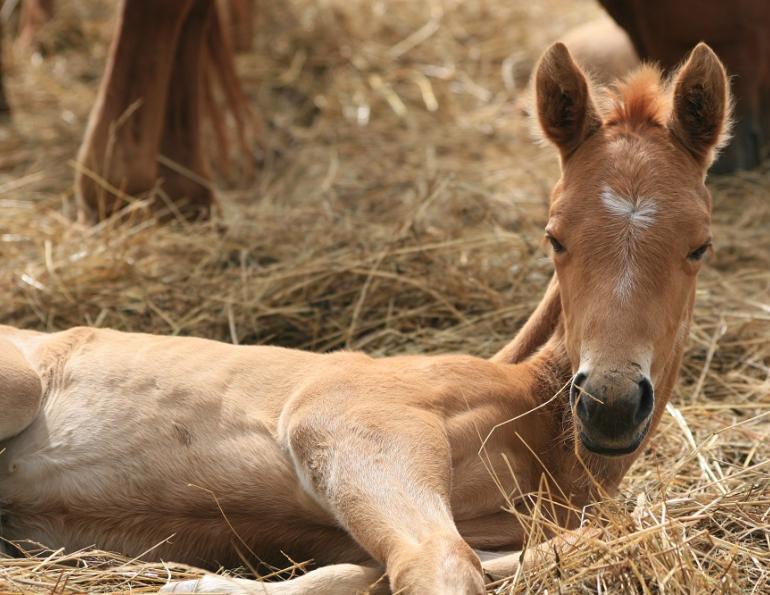
After an 11-month wait, your foal has finally arrived! Now, it's crucial to provide the right care to ensure a strong, healthy start. Here’s what you need to do in the first critical hours of life.

euthanizing horses, how to deal with horse dying, emotions with horses passing, horse died colic, alexa linton

Hoofprints On My Heart - I’ve been writing for this magazine for several years and have long wanted to write on this topic. The fact is, talking about death and dying is hard, even when it’s a part of your career. Although I wrote a book about it, and work with animal lovers all offer the world to move through the transition more easefully, it’s still a challenge to go there.

types of horse riding boots, picking a boot for riding horses, english boots, western boots, field boots, dress boots, dressage boots, hunt boots, paddock boots, wellies, muck boots, western boots, tall boots, riding boots

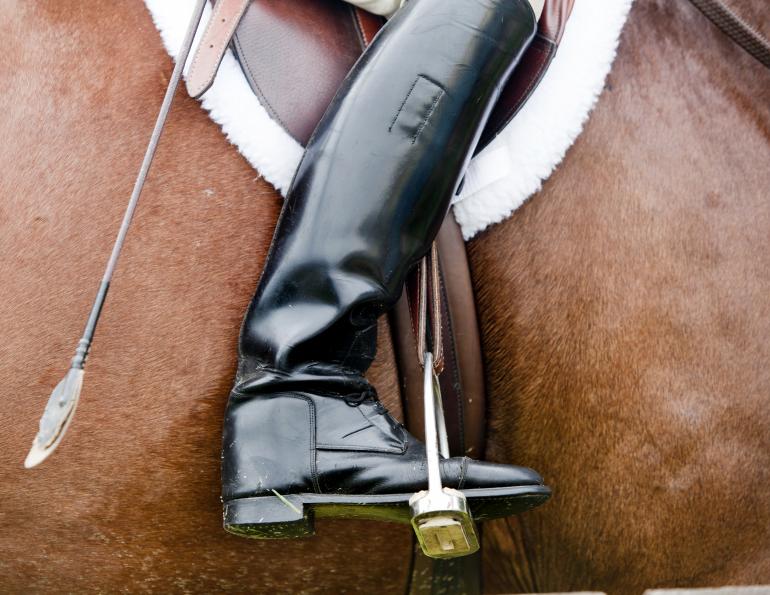
Every horse rider knows that the right riding boots are crucial — whether you’re riding for pleasure or for sport, your boots provide protection and stability, both of which are vital to safe and happy riding. But just as important as choosing the right type of boots is getting the right fit, since ill-fitting boots can be distracting, uncomfortable and even dangerous. So what goes into picking the right fit? How do you ensure you’ve chosen boots that will be helpful and not hurtful? To help answer these questions, let’s take a look at different types of riding boots, how they should feel if they fit correctly, and how to break in new boots!


Pages