Beginner

jec ballou equine trainer, using the long cavesson on horse, equine groundwork, lateral poll flexion horse

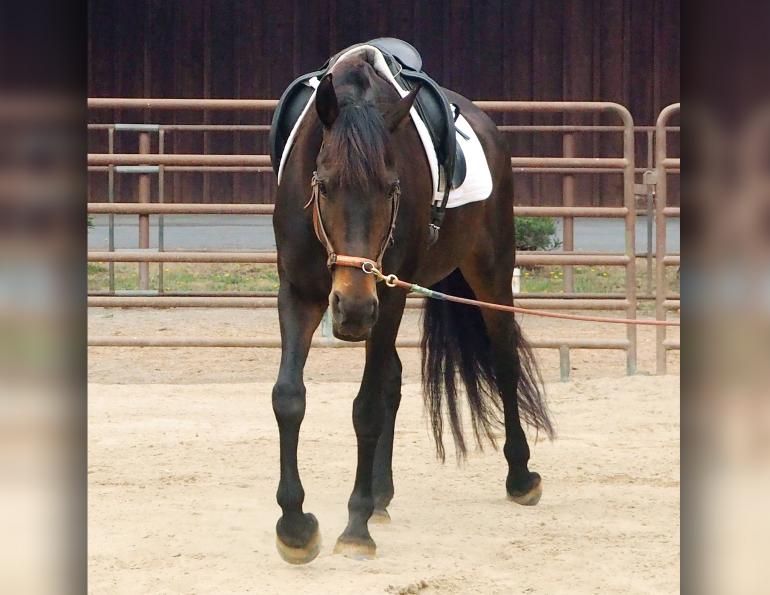
Due to its effectiveness in helping the horse carry his body with good form, the longe cavesson is arguably one of the most useful pieces of equipment to own. Yet, only a surprisingly small number of riders who know about it. While early depictions from the 16th century refer mostly to its value in lateral poll flexion, its benefits for groundwork extend to a horse’s entire body. For anyone who performs groundwork it is an indispensable tool, as I will explain. Common misalignments of horses during groundwork include a twisted poll that comes from a handler using a line attached under the chin, or one-sided pressure on the bit when using a bridle. The alignment and state of positive — or negative — tension in the poll directly affects the rest of the body.

jec ballou, horse exercises, dressage training exercises, walking activities horse, walking equine exercises

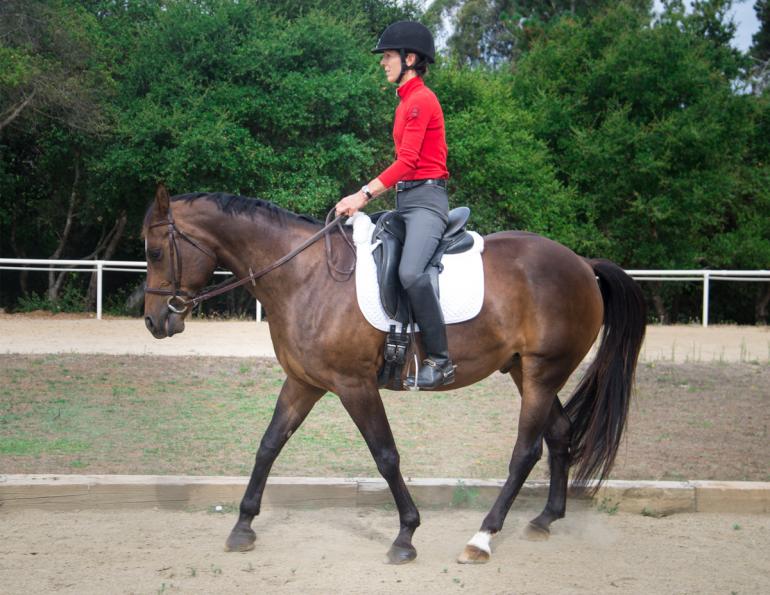
Many classical dressage masters from the past often praised the merits of long schooling sessions at only the walk. This kind of training refines muscle recruitment, releases tension stored in poor postural habits, and stimulates the slow-twitch fibers used for stabilizing the skeleton. In other words, there is big value in workouts at the walk. And note how I have used the term workouts, since that is how you should think of them. These are purposeful sessions, not strolls.

schooling horses, lindsay grice, canadian equestrian coaches, horse learning styles, how do horses learn? types of horse training, horse riding lesson plan, communicating with horses

Keys to an effective horse training session. I’ve trained a lot of horses. After nailing up my sign as a “professional horse trainer” several decades ago, I learned quickly that overhead is high in the horse business so you’d better make some hay if you’re going to pay your bills. Consequently, I rode many horses each day, breaking young ones and tuning up show horses.

horse riding accidents, should i wear a riding helmet, how to safely ride a horse, gear for horse riding, beginner rider equipment, concussion horse riding, insurance for horse riding

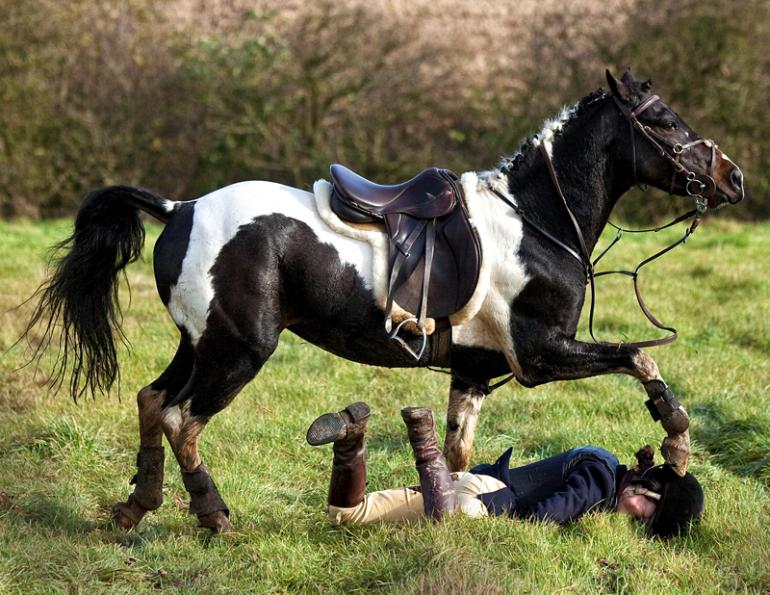
Head injuries are the most common reason for admission to hospital or death among riders. Sobering statistics reveal the high percentage of equine-related accidents resulting in traumatic brain injury, and helmets have been associated with reducing the risk of traumatic brain injury by as much as 50 percent. Yet many riders still do not wear a helmet.

canadian pony club, how to join canadian pony club, history of pony club, american horse publications award winner

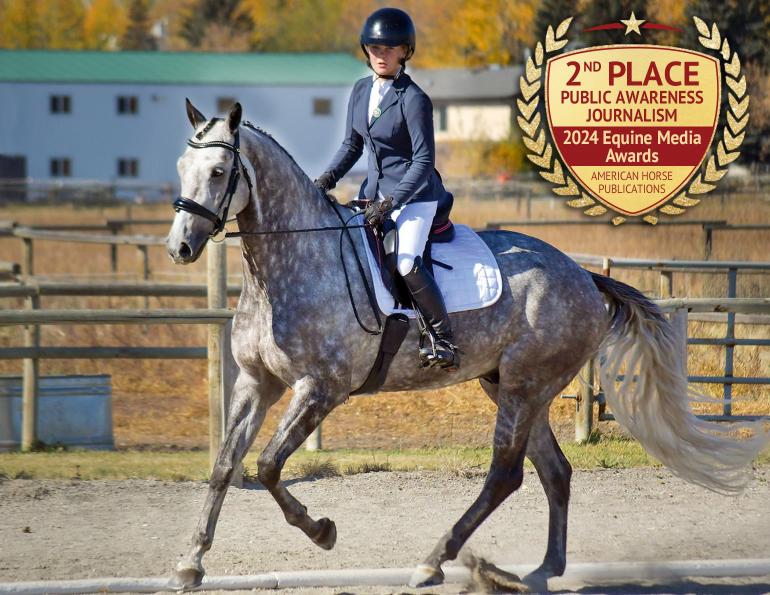
It’s common for riders to compete at high levels today without advanced horsemanship knowledge. A rider’s success in the show ring seems to have greater value than their horse management skills, but that wasn’t always the case. Many of Canada’s former top riders credit Canadian Pony Club (CPC) for their horsemanship knowledge and acknowledge its importance to their success. The horse industry has since changed and now, riders rely on coaches to know what’s best for their horses.

Dressage Youth, Eventing Youth, Young Equestrians, New horse people, Programs for horse riders, canadian pony club, equestrian canada, Ontario Equestrian GRIT, Show Jumping Youth Development, Vault Canada, CADORA, Endurance Riders Canada

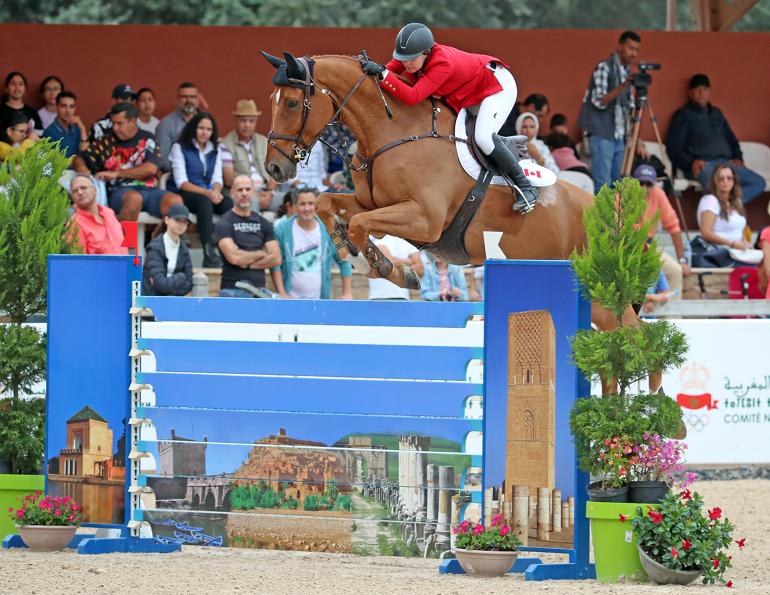
Youth riders are the future of Canada’s equestrian teams, but not every horse sport has dedicated programs to bring along competitive riders aged 12 to 30. Equestrian Canada’s (EC) Long-Term Equestrian Development document provides a road map for athlete development — from those new to horseback riding to riders competing on Canada’s senior teams. Yet, there’s no one-stop-shop that describes pathways and programs for youth in different horse sports. Every sport has unique divisions and opportunities to advance, but some lack systematic activities that encourage advancement. Regardless, many riders who have represented Canada internationally have honed their skills through the youth programs and competitions that are available. Here’s a brief summary of programs available for Canadian youth riders, along with insight from those involved.

tania millen, pony club, how to join canadian pony club, history of pony club, brian morton pony club, karl slezak pony club, alberta north pony club, jill irving youth riding, prentice creek equestrian centre

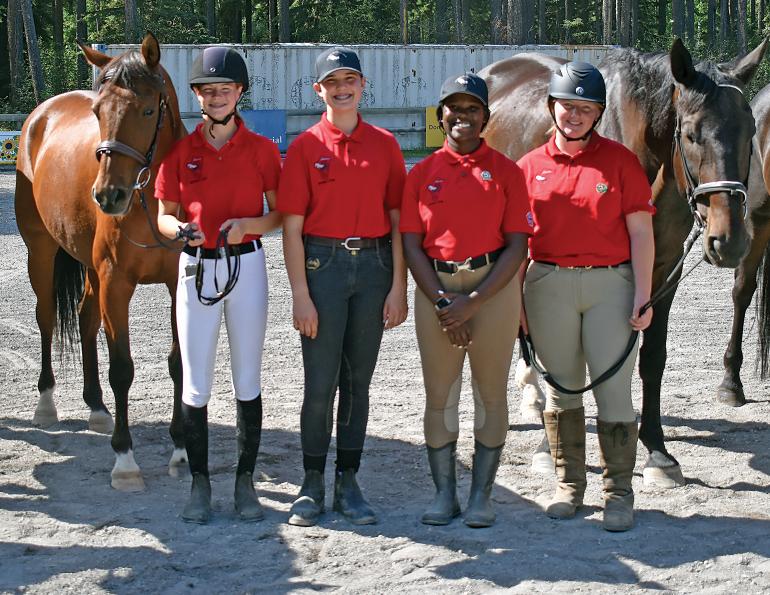
Contrary to what the name may imply, Pony Club isn’t just for little kids on ponies. Pony Club is an international volunteer-based organization that originated in Britain and came to Canada in the 1930s. The Canadian Pony Club alumni Wall of Fame reads like a “who’s who” of Canadian equestrians: Ian Millar, Beth Underhill, Chelan Kozak, Christilot Boylen, Dana Cooke, Danny Foster, Gina Smith, Jim Henry, Jimmy Elder, Joni Lynn Peters, Karen Brain, Leslie Reid, Liz Ashton, Lorraine Stubbs, Lynn Larsen, Rebecca Howard, Rob Stevenson, Sandra Donnelly, Tik Maynard, and many more. Some of those alumni still compete at top level; some no longer ride. But they all struggled through a series of written, stable management, and riding tests, then put those skills and knowledge to use to become some of Canada’s best riders.

tania millen, shannon lee dueck, amanda self, nrha contact rules, dressage FEI contact rules, Federation Equestre Internationale, megan lane caravella, steffen peters

Contact with a horse’s mouth via the bit is a generally accepted principle when riding or driving. But a horse’s mouth is incredibly sensitive and many riders around the world are successfully guiding their steeds without bits. Where did the idea of contact come from, what is it, and do riders really need contact with a horse’s mouth to convince their horse to perform?

jec aristotle ballou dressage exercises dressage stretches english riding stretches equine stretches horse stretching carrot stretches equine physiology horse fitness

Simple Exercises and Routines to Reprogram Dysfunctional Movement - As tempting as it is to use our riding skills and training expertise when teaching a horse to carry his body differently or when rehabbing post-layoff, this actually slows the process down. Somehow, many of us equestrians missed this crucial fact during our educations.

effective breathing techniques for horse riders, how to breathe properly when horse riding, overcoming nervous breathing when horse riding

We breathe more than 20,000 times a day. Most of the time, we don’t give it much thought, since we do it automatically and all seems to go well… except when it doesn’t.

Pages