Barns & Stables

horse barn Fires, fire safety horse barns, horse fire, dressage arena fire, ventilation in horse barns, no smoking horse barns, fire extinguisher horse barns, Tanya Bettridge, determining casue horse barn fire, horse barn fire hazards, horse barn fire prevention

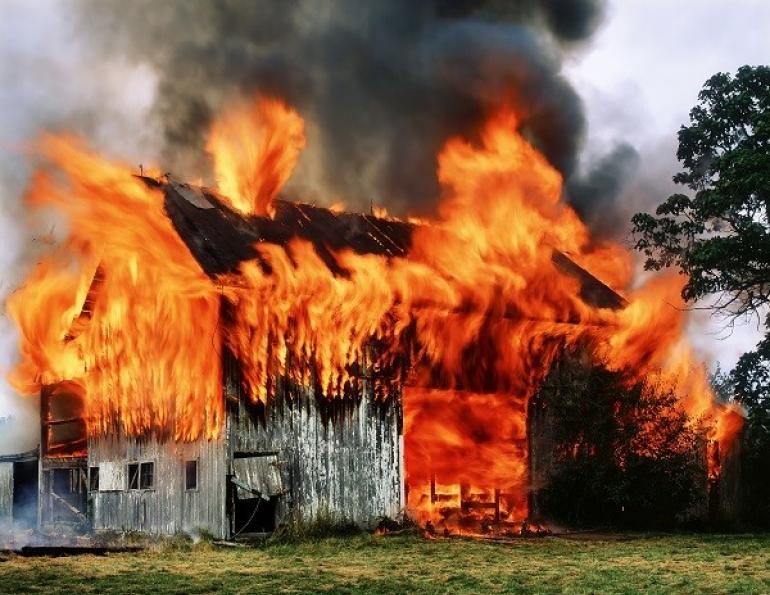
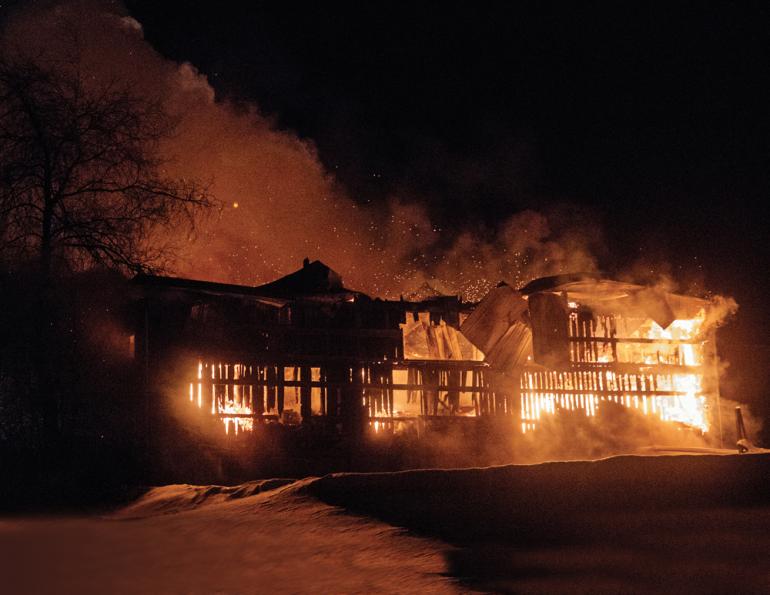
Owning and operating any kind of farm is a tough job. The last thing you need is a fire. Whether it’s a fully engulfed barn, an indoor arena inferno, or a tractor that got way too hot and decided to take the drive shed with it, a fire is usually considered the worst possible thing that can happen.

barns on fire, horse barn fires, preventing a stable fire, fire extinguisher equestrian centre, mainting horse barn

It’s now nearly 150 years since the Great Chicago Fire, which, according to popular legend, broke out after Catherine O’Leary’s infamous milking cow kicked over a lantern in the barn on the night of October 8, 1871. The resulting barn fire, aided by the wind, destroyed three square miles of the City of Chicago, killing approximately 300 people, destroying 18,000 buildings, and leaving 100,000 people – a third of the city’s population – homeless before it was finally brought under control the next day.

De-icing water buckets for horses,  assess your horse barn’s structural integrity, dust control in horse barn, mud management for horses, ventilation for horse paddocks and barns, heated horse tack room

Canadian winters bring plenty of challenges for horse owners. From breaking ice out of water buckets to hauling pails by hand and pushing heavy wheelbarrows through deep drifts, the work is demanding. Yet these chores are part of ensuring horses stay healthy during a season that, along with snow, freezing rain, and bitter temperatures, also brings health risks such as thrush, mud fever, dehydration-related colic, and respiratory problems.

equine emergency preparedness, horses stuck flooding, preventing barn fire, emergency services horses, help for horses disaster, kevan garecki, bc flooding horses

While one can’t plan for every form of disaster, it’s important to familiarize yourself with any potential risks that could occur in your area and plan for them accordingly. Planning ahead can allow horse owners the opportunity to stay composed and act quickly in an emergency situation.

Horse Run-In Shed equine, horse shelter equine, horse property drainage

Among domestic animals, horses are some of the most naturally wide-ranging. They evolved as nomadic grazers, adapted to constant movement across varied landscapes and climates. Their instinctive response to any potential threat is still flight. Although domestication has shaped them to fit human needs, their fundamental nature remains largely unchanged.

what is the safest type of horse fencing? What is most functional type of horse fencing? different types of horse fencing, vinyl horse fencing, electric horse fencing, polywire horse fencing, tape horse fencing

Fencing is an essential part of responsible horse ownership, providing both security and safety for your animals. Historically, choices were limited to wooden rails or barbed wire — options that are still in use across many parts of Canada today.

stalled horses impact health, are horses okay isolated, alice ruet equine science mark andrews, housing horses in individual boxes

Horses are commonly housed in individual boxes. While this may be convenient and prevent injuries from other horses, it may also be detrimental to the horse’s welfare, especially if access to pasture is limited. A paper by Alice Ruet and colleagues investigated the effect of various management practices on the display of behavioural indicators of compromised welfare in housed horses.

crystalline sillica riding stable, dangers of riding arena dust, health hazards riding arena dust

Those who primarily work in riding arenas or round pens with sand footing, such as equestrian riding coaches, riding instructors, and horse trainers, are at an higher risk of respiratory issues.

Keep your neighbours informed of suspicious activity, horse farm security, secure farm, turn your horses out without halters, horse barn alarm system, horse barn closed-circuit TV system, secure horse paddock, horse tattooed, horse branded, horse microchip

1. Consider having your horse tattooed, branded, or microchipped. Those with permanent identification will have a much better chance of reunion with the rightful owner, if found.

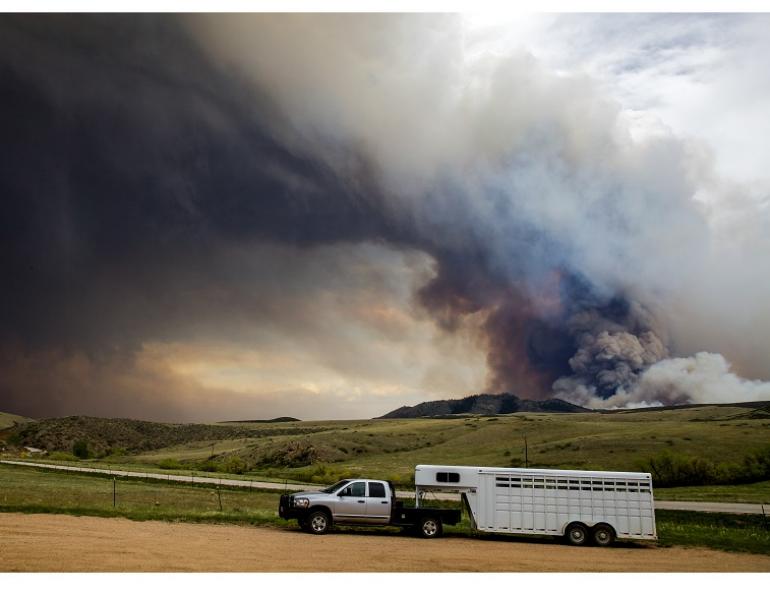
wildfire prepared, flood prepared, earthquake prepared, Fort McMurray fire, emergency evacuation, natural disasters, emergency preparedness plan, returning home after natural disaster, horse ID, horse safety

Crisis-Ready Horsekeeping: Safety Plans for the Unexpected - Across Canada there is one thing horse owners have in common: We all want what is best for our horses. No matter what discipline we favour, whether we compete or ride just for fun, we all take steps to ensure that our horses are well looked after, happy and healthy. But what about when it comes to preparing for our worst nightmare? At the very least, most barns will have a first aid kit or two and maybe some fire extinguishers. But in the event of a natural disaster like an earthquake, fire, flood or tornado, do any of us have what it takes to make the best of the worst situation? While it’s uncomfortable to think about what would happen if we suffered at the wrath of Mother Nature, we aren’t doing ourselves or our horses any favours by ignoring the possibility of a natural or man-made disaster.

Pages