Summer

stomach Bots, equine tapeworms, bot flies, Dr. Wendy Pearson, University of Guelph, larvae pupate, horse care, Seasonal Parasite Control

Stomach Bots and Tapeworms - Your parasite management program should give some attention to stomach bots and tapeworms. To control these parasites more effectively, it helps to understand their life cycles.

help horse survive flies, help horse survive horse flies, help horse survive deer flies, help horse survive black flies, help horse survive face flies, help horse survive house flies, help horse survive mosquitos, paddock pest management, horse flies can cause sweet itch, Barn swallows, bats insect predators, horse care, paddock management

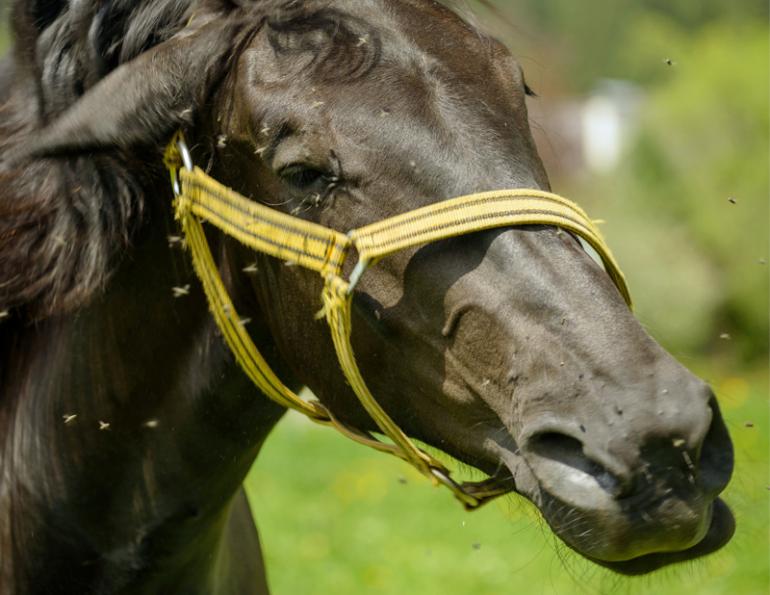
Flies are a familiar seasonal frustration, but for horses, they’re more than just a nuisance—they can lead to constant tail swishing, foot stomping, head tossing, and skin twitching. Beyond being irritating, flying insects such as gnats, midges, mosquitoes, horse flies, deer flies, black flies, face flies, and stable flies pose real threats to equine health by causing skin conditions and transmitting serious diseases.

The Equine Heart, what should my horse's heart rate be, what is a normal rhythm horse heart, equine electrocardiogram, heart rate variability horse

Skipped Beats, Sudden Death… and Why We Shouldn’t Worry Too Much. When you first start examining patients as a veterinary student, you’re very keen to (gently) poke and prod every animal you come across. Realizing you can assess cardiovascular function by palpating peripheral pulses is very empowering!

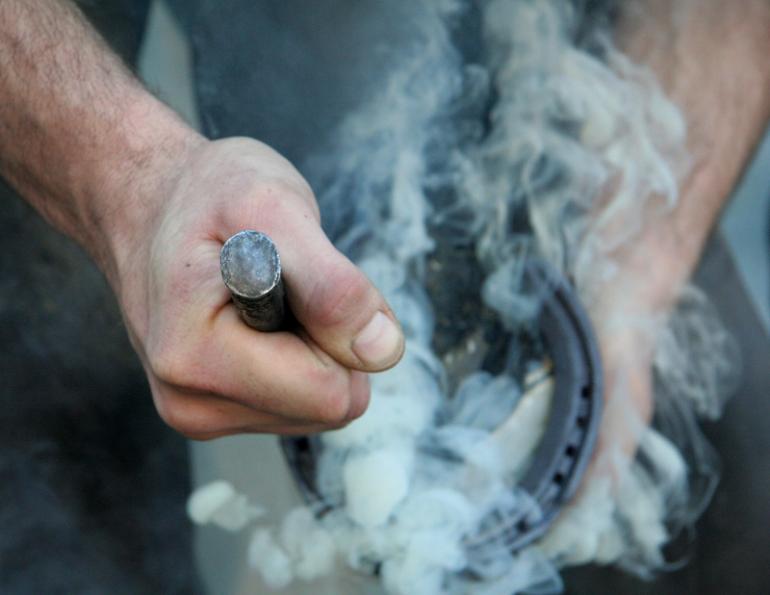
wildfire smoke horses, protect horse smoke inhalation, how to tell if wildfire smoke dangers horses, smoke on a horse farm, air quality index

Horses exposed to fire smoke can suffer respiratory injury of varying degrees, ranging from mild irritation to severe smoke inhalation-induced airway or lung damage. Knowing what is normal versus concerning can help to know whether a veterinarian should evaluate your horse.

breathe herbs for horses, equine asthma treatments horses, alternative therapies horses, equine respiratory ailments

Respiratory disease is one of the most important health concerns facing the horse industry, and accounts for one of the biggest reasons why horses miss training days (Rossdale et al., 1985). Equine asthma, also known as “heaves,” is one of the more troublesome small airway diseases which causes an elevated respiratory rate, chronic coughing and runny nose, and affected horses often find it difficult to exhale.

preventing flies horses, diseases mosquitoes horses, fly sheets, fly masks, manure pile location, botfly eggs on horse, horse fly leggings, parasitic wasps

How flies spread parasites and disease - Flies are the bane of many horses’ existence from spring through autumn. In Canada, horse-biting flies include gnats (no-see-ums), black flies, stable flies, deer flies, horse flies, and mosquitoes, all of which create painful sores. Non-biting flies include house flies, eye gnats, face flies, bot flies, and warble flies, and can be just as irritating. It’s not just buzzing and biting that’s worrisome; flies may transmit parasites and diseases, can cause a horse’s immune system to overreact, and some use horses as hosts, all of which impact horse health. Preventing horses from being bitten is key. Before diving into solutions, here’s a summary of the damage that flies can inflict on Canada’s horses.

equine respiratory diseases, roa horses, inflammatory airway horse, horse nasal discharge, horse cough, horse nosebleeds

The equine respiratory tract is responsible for many different functions and is, on a basic level, quite similar to the human respiratory tract. One of its primary functions is the exchange of oxygen between the lungs and the red blood cells, which allows oxygen to be delivered to tissues throughout the body and becomes especially important during exercise when the oxygen consumption of the tissues increases. Another important function is the clearance of irritants such as dust, ammonia, and bacteria, from the respiratory tract. This is done by filtering large dust particles in the nose, coughing, sneezing, and trapping irritants in the airway mucus. However, excess nasal discharge, coughing, sneezing, and mucus secretion are all signs that a horse may be suffering from respiratory problems.

removing ticks from horses, equine guelph, how to get rid of a tick on my horse

Ticks are a nuisance that can often go undetected. Because of the risk of disease transmission (Lyme disease, Anaplasmosis, Equine piroplasmosis), it is important to frequently examine your horse for the presence of ticks, and to take steps to lower risk of exposure.

heat stress horses, treating overheated horse, electrolytes for horses, equiwinner electrolytes, horse's muscle stiff, fan for horse, sunburn horse, american association of equine practitioners, tony hawkins valley vet supply

Horses are very proficient sweaters, making them some of the most efficient animals at cooling themselves — but they are still at risk for heat stress. There are many ways we can help them sidestep this risk as the temperatures heat up. Below, I’ll cover diminished electrolytes, groups of horses at greater risk, signs of heat stress, and tips to keep your horses safe. 

Dr. Wendy Pearson PhD, Veterinary Toxicology, seasonal pruritus, sweet itch, Type 1 allergic response insect bites, omega-3 fat, Culicoides extract, horse health, full fly sheet horse, fly mask horse

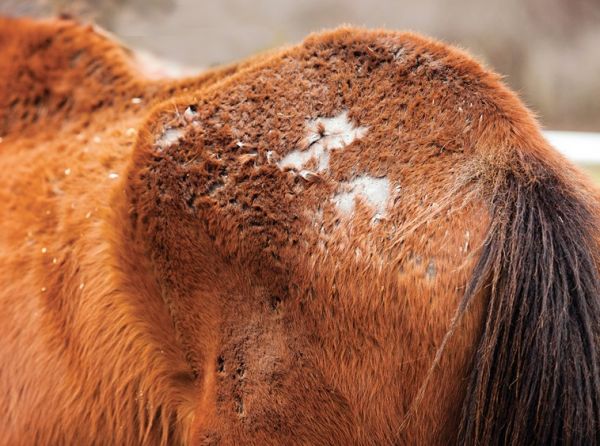
Recurrent Seasonal Pruritus (commonly known as Sweet Itch) is the most common allergic skin condition in horses. Horses with sweet itch experience intense itching along the abdomen, the back, mane, and tail.

Pages