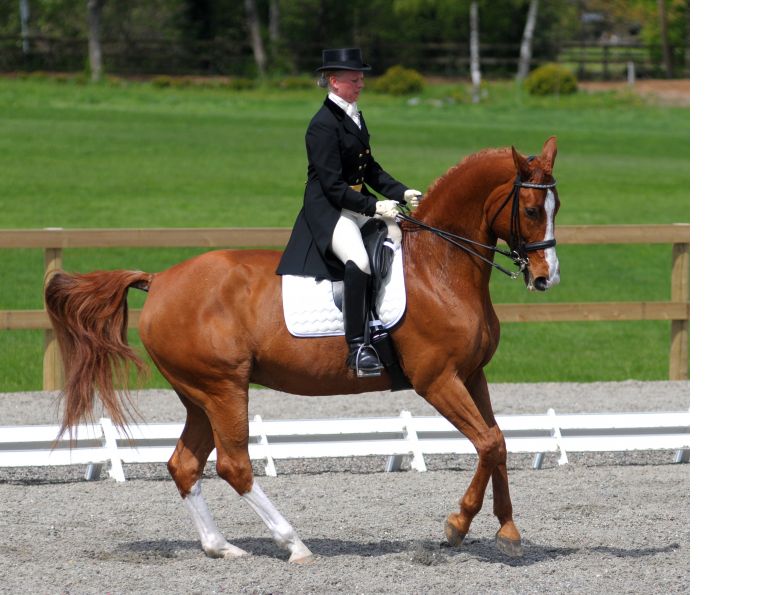
Horseback riders across Canada are advocating for horse use on provincial and regional trails. In Ontario, Alberta, and British Columbia (BC) that often means resolving potential conflicts with other user groups. On Prince Edward Island (PEI) it’s meant trying to gain access to the Confederation Trail — a 470-kilometre stretch of Canada’s Great Trail, previously called the Trans Canada Trail, which follows a former railway bed across the island.
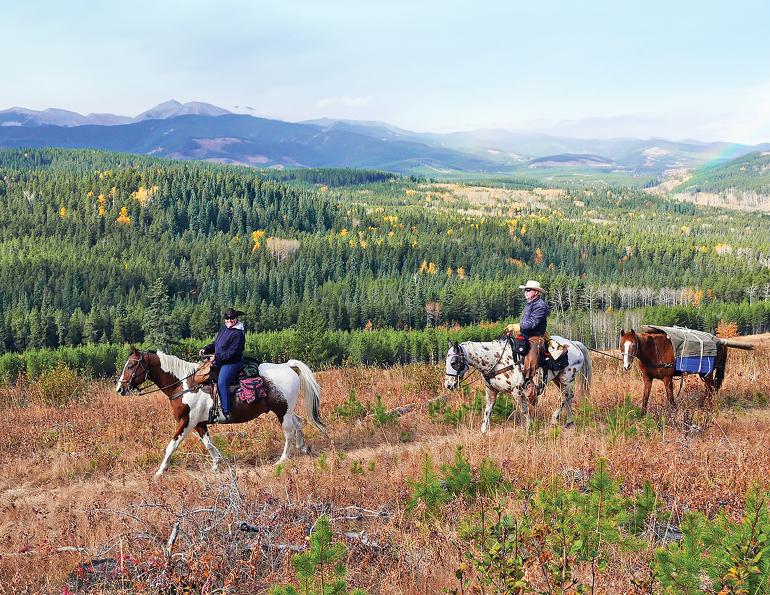
Did you know that a stunning working horse ranch, backed by the Canadian government and open to trail riders, sits on the doorstep of the Rocky Mountains? Yes, it’s true. Ya Ha Tinda Ranch — owned and operated by Parks Canada — is the only federally run horse ranch in the country and marked its 100th anniversary in 2017.
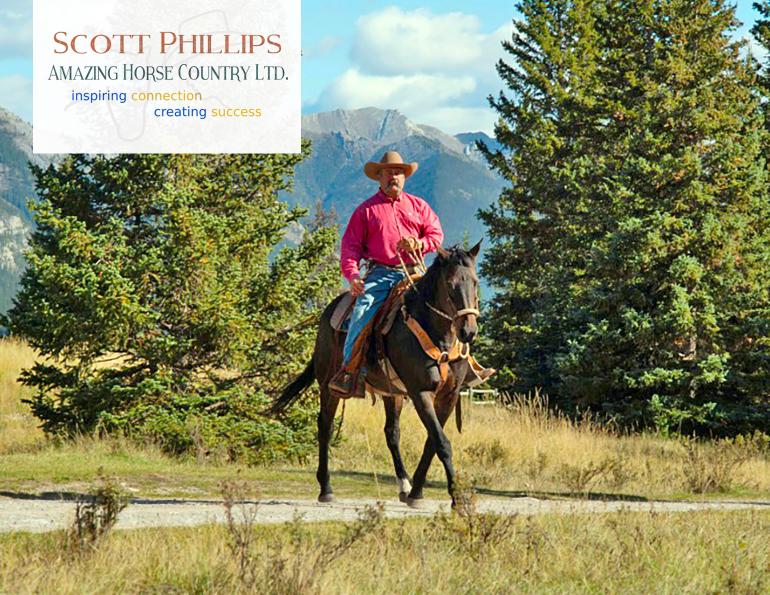
With Scott Phillips of Amazing Horse Country - We often hear the term “dream horse” when riders are asked what they desire. But what do our horses want or need in their “dream human”?
Tim Mearns teaches bear awareness and wildlife safety as part of the Horseback Riding Backcountry Boot Camp. He imparts essential knowledge for anyone venturing into the backcountry. Basics are key, including proper handling of food, using bear-resistant pack boxes, knowing how to use bear spray and having it ready to go at an instant’s notice. Equally important is understanding bears and what is important to them, such as the changing of the seasons and the types of environments they prefer. In the spring, for example, females will be out and about with cubs, and in the autumn bears are intensely focused on food and fattening up for winter.
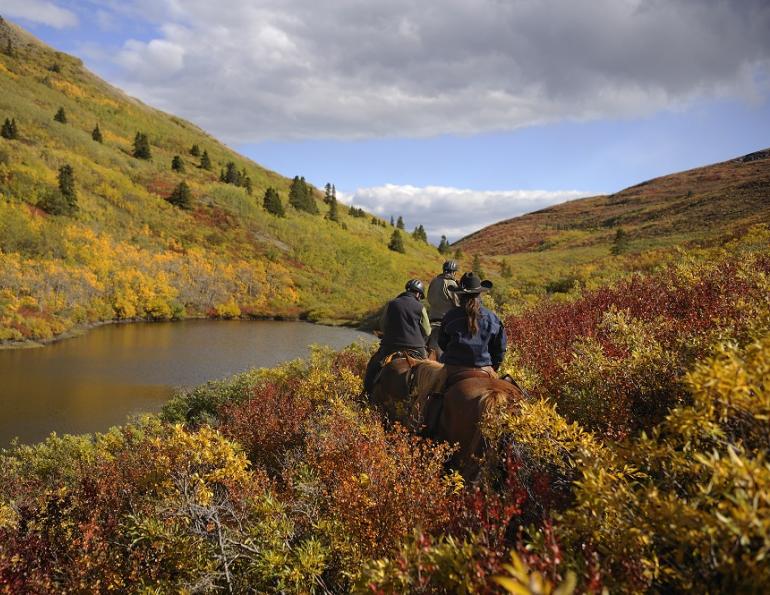
Golden sunlight spills across the mountains beneath the plane’s wing as the soft hues of pink and purple twilight give way to night. My long-held dream of exploring the vast wilderness of Canada’s Yukon on horseback is finally becoming a reality. Touching down in Whitehorse—the territorial capital since 1953—I haul my luggage across the street to a nearby hotel, ready to rest before the adventure begins.
Autumn in Ontario is my favourite time of year, when Mother Nature paints the trees spectacular arrays of reds, yellows, and oranges, and rural roadsides are bordered with the brightly coloured seasonal decor. Algonquin Provincial Park, in Ontario’s southeastern region, is a popular spot to take it all in.
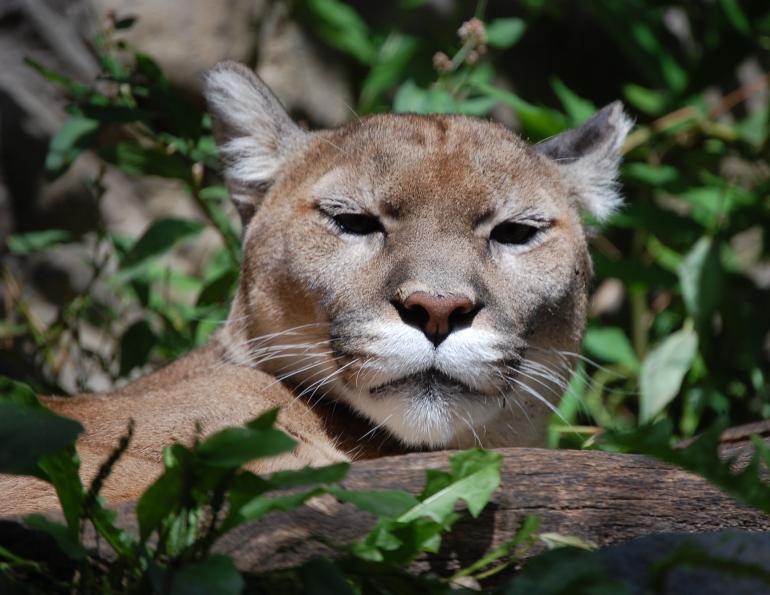
What is the chance of a bear or cougar attack while riding your horse? What is the chance of being injured or killed in an attack? And are there preventative measures that make sense?
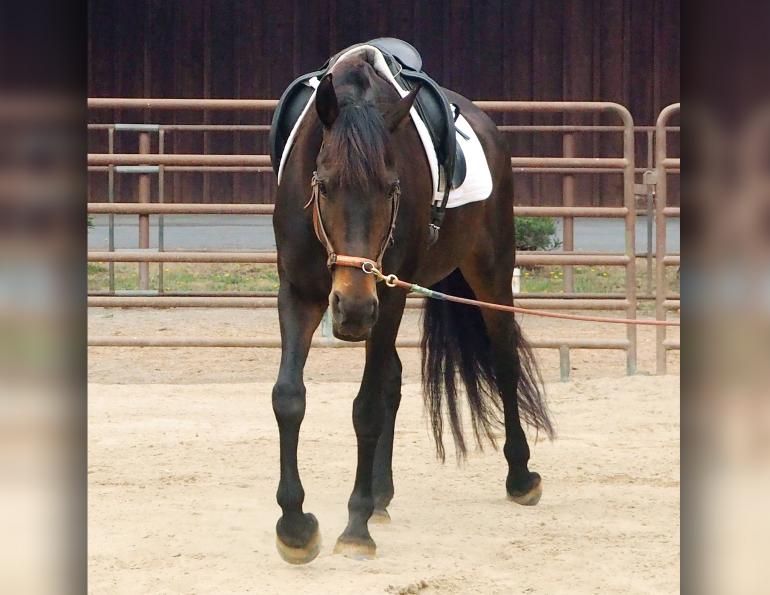
Due to its effectiveness in helping the horse carry his body with good form, the longe cavesson is arguably one of the most useful pieces of equipment to own. Yet, only a surprisingly small number of riders who know about it. While early depictions from the 16th century refer mostly to its value in lateral poll flexion, its benefits for groundwork extend to a horse’s entire body. For anyone who performs groundwork it is an indispensable tool, as I will explain. Common misalignments of horses during groundwork include a twisted poll that comes from a handler using a line attached under the chin, or one-sided pressure on the bit when using a bridle. The alignment and state of positive — or negative — tension in the poll directly affects the rest of the body.
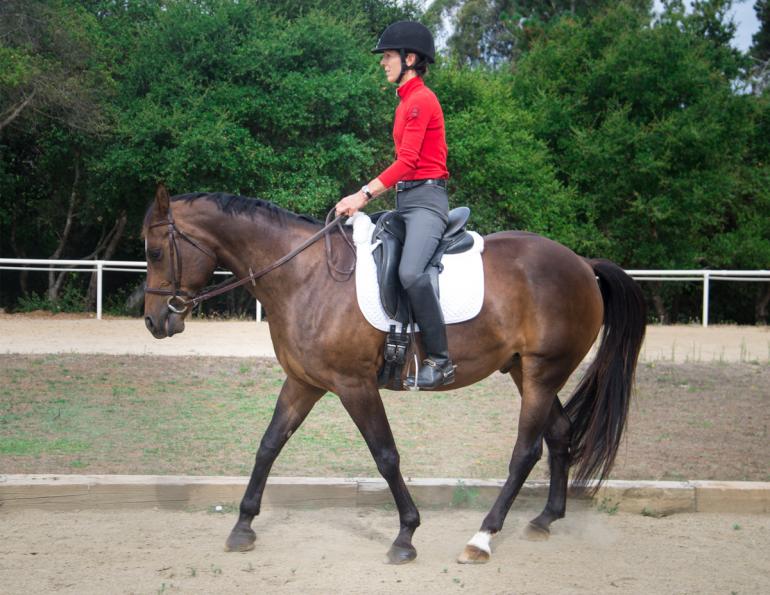
Many classical dressage masters from the past often praised the merits of long schooling sessions at only the walk. This kind of training refines muscle recruitment, releases tension stored in poor postural habits, and stimulates the slow-twitch fibers used for stabilizing the skeleton. In other words, there is big value in workouts at the walk. And note how I have used the term workouts, since that is how you should think of them. These are purposeful sessions, not strolls.
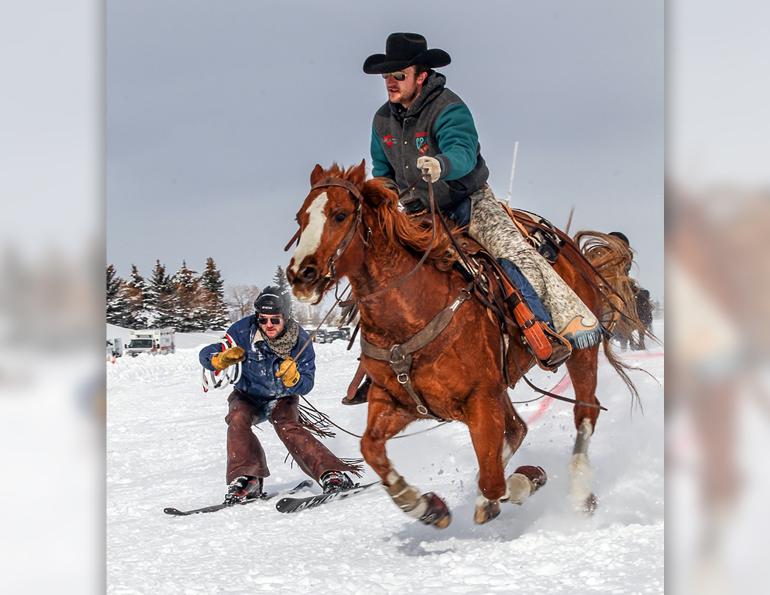
In March 2024, Skijor Canada will once again hold Skijordue — a skijoring event billed as “a blistering blend of snow, speed, style, and cheese with gritty cowboys, gnarly free-riders, fur, fringe, and fashionista.”