Eventing

fei eventing, risk of falls in horse riding, how to not fall off a horse, risk of falling horse eventing, equine science update

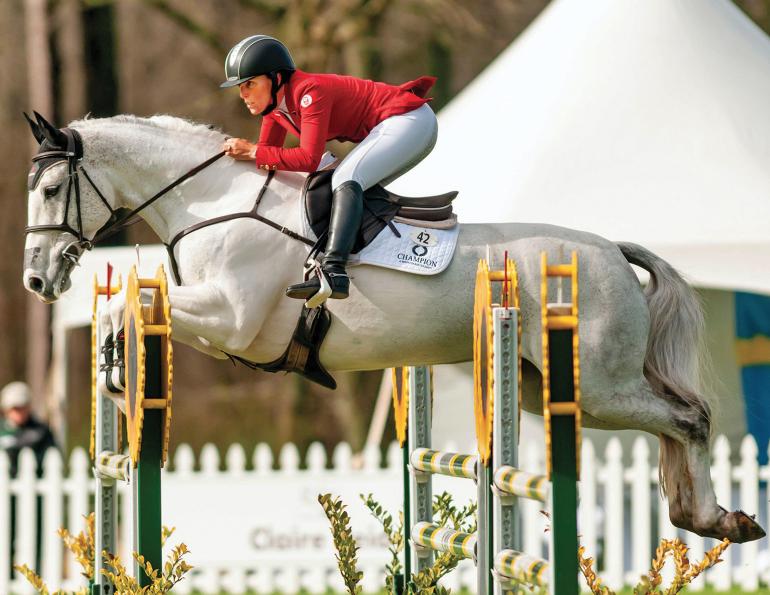
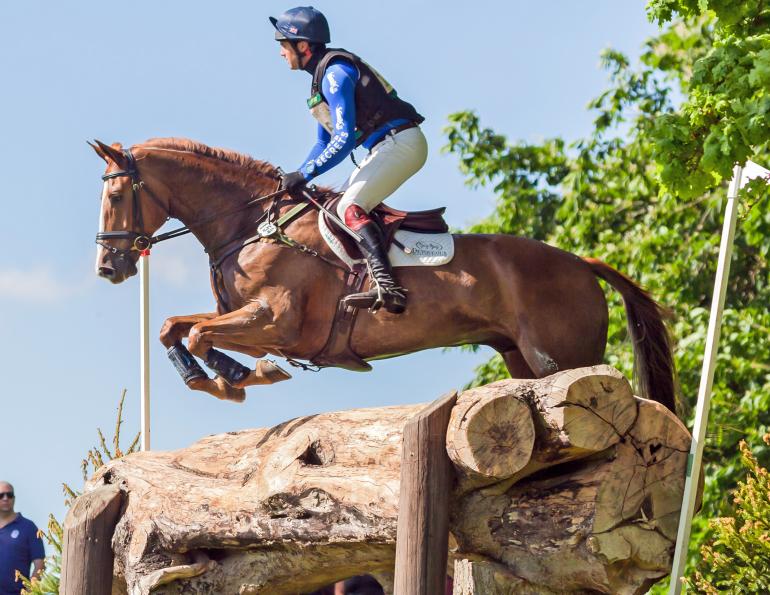
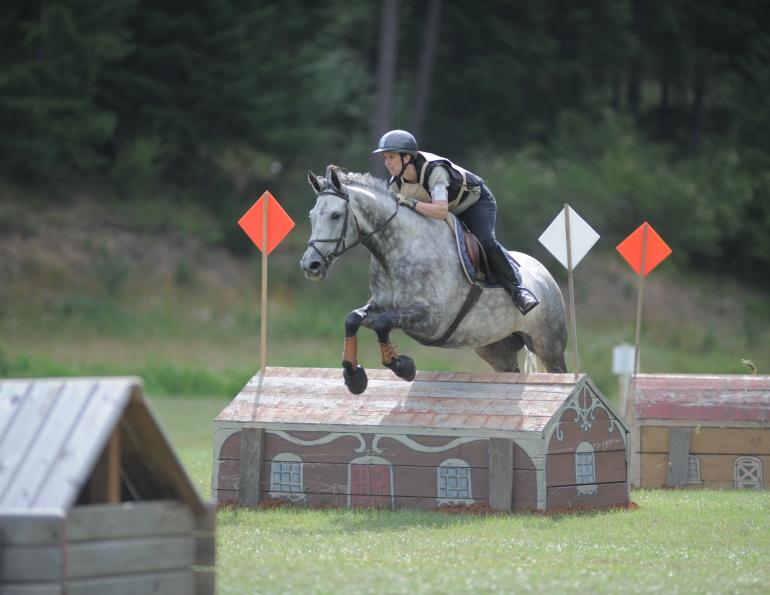
A recent study has identified factors associated with an increased risk of falls during the cross-country phase of eventing and has suggested modifications that could reduce the risk of injury, making it safer for horse and rider. Higher-level events, longer courses, more starters in the cross-country phase, and less experienced horses and athletes all showed an increased risk. Identifying these risk factors allows riders and event organisers to assess the level of risk for individual horse, rider, and event combinations.

Walking the Cross Country Course

One of my favorite parts of an eventing competition is that first course walk. I can't wait to see what the course designer has in store for us competitors! But walking the course is serious business - your course walking skills can mean the difference between success and failure out there on the course.

jec ballou, how to leg yield, exercises for leg yield, horse won't leg yield, best leg yielding advice

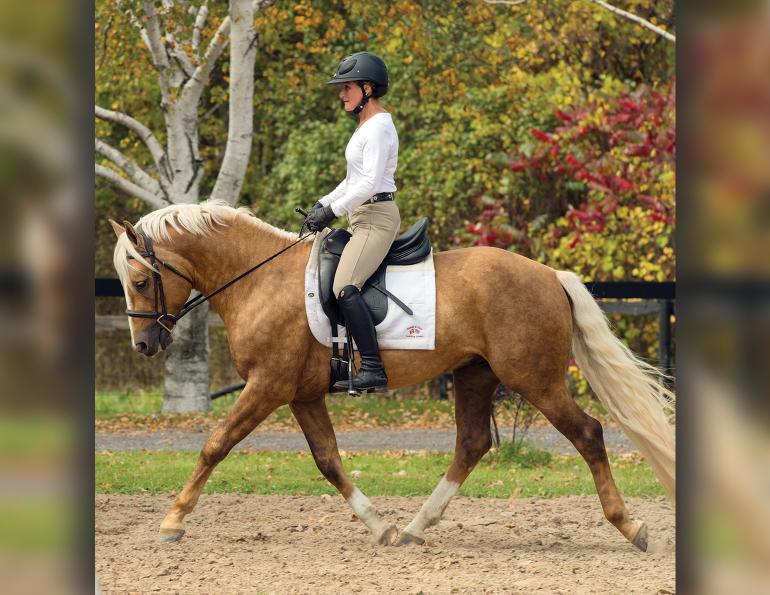
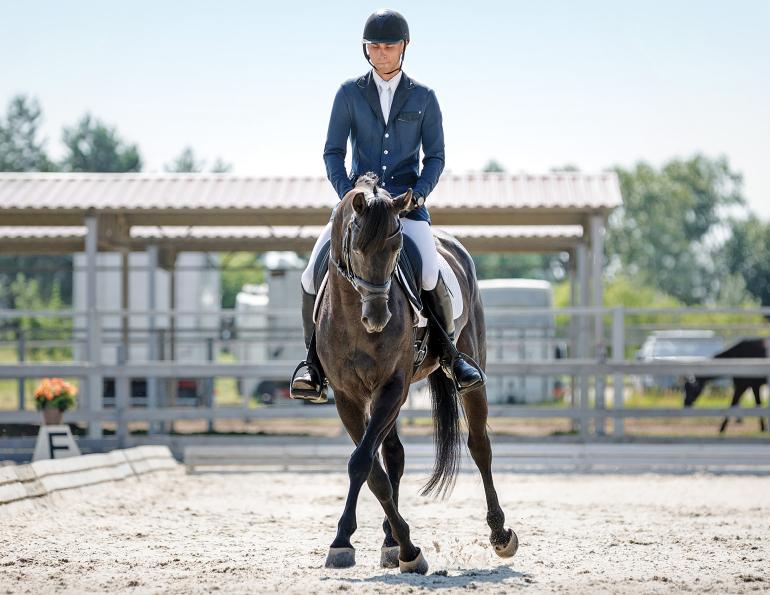
Understanding the Leg Yield - Among the key building blocks in equine training, a few exercises serve both as early learning tools and as valuable corrections for more advanced horses. The leg yield is one such movement. It not only develops a young horse’s balance but can also help restore quality of movement when a seasoned horse becomes stiff or resistant. Properly applied, it addresses a range of issues in how a horse carries himself.

straighten your horse, how to ride a horse straight, horse not straight over fences, sarah bradley

With Sarah Bradley - “Straightness refers to how the horse positions his body, and his ability to use both sides of his body evenly, providing even propulsion from both hind legs and carrying even weight on both front legs. It's about the rider’s ability to place the horse’s body on the line the rider wishes to travel. A horse is straight when the bird’s eye view shows the horse’s spine as being directly on the line of travel. Thus, a horse on a circle is ‘straight’ when it compresses the inside of its body and lengthens the outside, so that its spine follows the circle.”

lori k. warren, fit horse, horse fitness, horse conditioning, horse schooling, equine conditioning, equine schooling, equine fitness, fit equine, equine interval, equine gymnastics, horse gymnastics, horse strength, equine strength

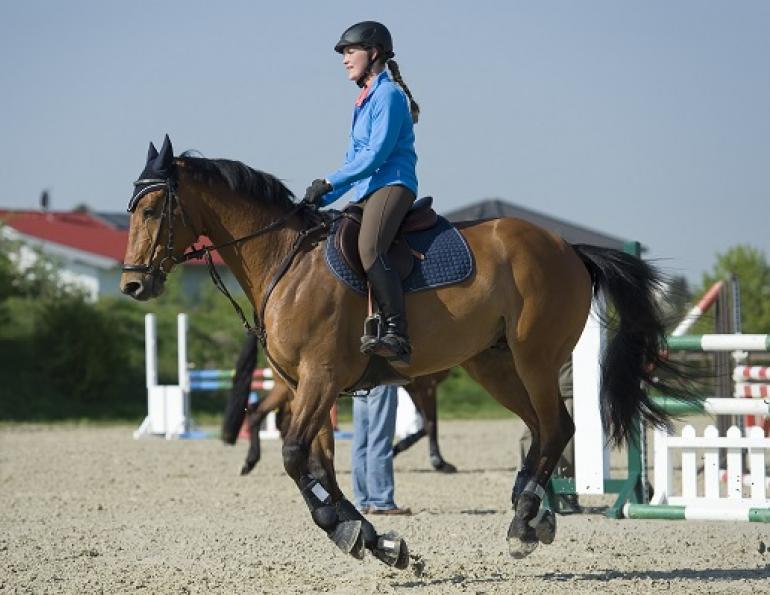
If you’ve ever been to a gym after a long absence or started up a new exercise routine as part of your New Year’s resolution, you have a good appreciation for the importance of gaining and maintaining fitness. The same concept applies to your horse when you put him back into training after giving him the winter off, after a layoff from an injury, or when starting a young horse under saddle. Unfortunately, many horse owners and trainers are concerned only with working their horses over obstacles or schooling maneuvers specific to their sport, rather than ensuring their horses are fit enough to perform such tasks.

horse to lateral work Jec A. Ballou prancing dressage horses, lateral movements shoulder-in haunches-in dressage exercises, conditioning horse, offer unrivaled conditioning effects for almost any equine athlete

Why and when to introduce your horse to lateral work - While they used to be predominantly the domain of prancing dressage horses, lateral movements like shoulder-in and haunches-in offer unrivaled conditioning effects for almost any equine athlete. Exercise science has shown them to be on par with gymnastic routines like hill repeats and cavalletti routines in terms of muscle recruitment, with a bonus of altering motor sensory patterns. Below I will explain how and why you might consider incorporating them.

Lynne Gunville, Dr. Trisha Dowling, horse conformation, horse balance, horse angulation, horse care, horse built for job

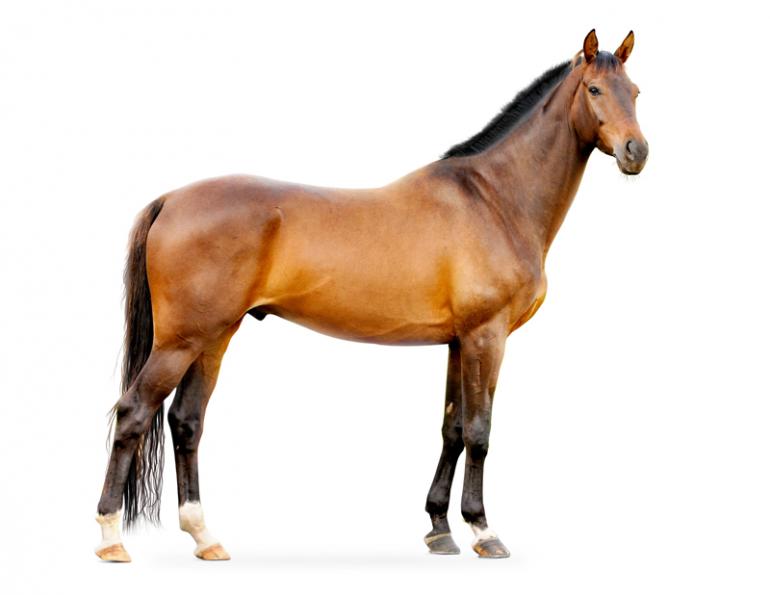
Function follows form, according to Dr. Trisha Dowling. It’s the conformation or structure of a horse that ultimately determines its athletic function.

Jonathan Field training tips, how to train young horses, tips on training young horses, how to get the most out of your young horse

We’ve all had a horse that was hesitant to go forward with ease and willingness. I want to share the story of one such colt I started recently, and some of the strategies I employed to help him “free up.” These techniques work well for horses of all ages. This article is ultimately about rider self-awareness, timing, and avoiding the overuse of pressure, which unintentionally dulls the horse. Take special note of the tips for success, and the pitfalls many riders face when their horse is dull to their aids.

liz ashton on show jumping and supple jumping horses. Exercise to help horse stay supple, serpentine over fence, jumping horse on a circle, fences horses, flatwork horses

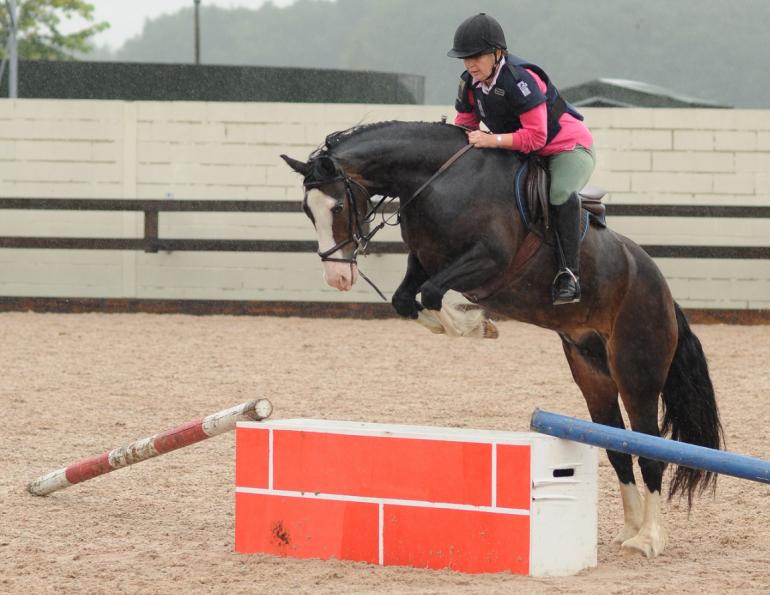
With Liz Ashton - If your horse seems reluctant to go forward, if his body feels rigid and unyielding to your aids, if his jumping style is flat or hollow, your horse may be in need of some suppling. But at least you’re not alone – the stiff horse is one of the most common rider complaints out there.

racism in horse industry, discrimination horse industry, black horse riders canada, canadian horse industry diversity, margaret evans

Let's Talk - On May 25, 2020, 46-year-old Black American George Floyd was killed while in police custody, after it was alleged he passed a counterfeit bill. A Minneapolis police officer knelt on his neck for nearly nine minutes while Floyd lay face down, handcuffed, and pleading repeatedly that he couldn’t breathe. Floyd ultimately succumbed. The tragedy struck a chord and protests flared against police brutality and racism — I can’t breathe their rallying cry, leading to an ongoing resurgence of the global Black Lives Matter movement.

Pages