Clinging, Will Articles

horse riding in extreme cold wewinter horse riding, cold weather riding, cowboy winter riding, riding in extreme cold, horse care in winter, equestrian winter conditions, riding horses in cold weather, winter horsemanship, cowboy life, working horses in winter

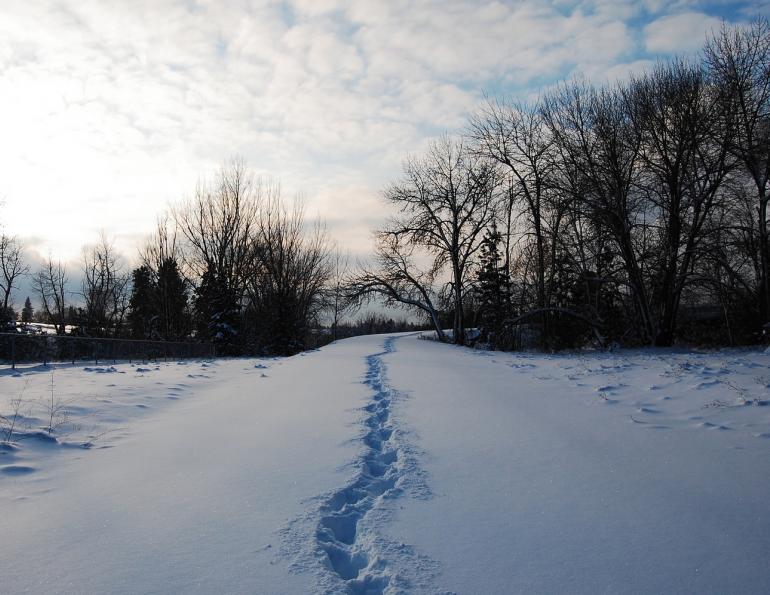
In my younger, tougher years, I was content to ride through almost any weather conditions. Riding was not just something I enjoyed; it was how I earned my living, and that sense of responsibility often outweighed comfort. Looking back, obligation frequently replaced enjoyment. As the years have passed, however, I have become much more of a fair-weather rider — or, at the very least, someone who no longer seeks out extreme conditions.

will clinging, horse training, horse behaviour, equine behaviour, horse psychology, equine psychology, horse journal, canadian horse, horse canada, horse sport, western horse, english horse, horsemanship

The timeline for training a horse varies widely—both between individual horses and the people working with them. In my experience as a trainer, I firmly believe that slowing down the process actually accelerates learning. Horses not only absorb information more efficiently, but they also gain confidence in the process. Confidence, or lack thereof, plays a major role in how steadily a horse progresses through training.

overcoming horses that pull when tied, how to de-stress your horse when tied, how to relax cross-tied horse, improve horse's coping skills when tied

Dealing with a horse that pulls back when tied is both stressful and dangerous, posing risks to the animal, equipment, and anyone nearby. But is pulling back a behaviour issue or a training problem? In reality, it’s both. Horses pull back for two main reasons: fear or because they can get away with it. While it may seem like a learned behaviour, the main cause is often fear.

overcoming horse tension, equine stiffness, equine tension, will clinging

Tension can interfere with nearly every aspect of a horse’s performance and learning. Some horses become so tight and rigid that they physically cannot perform certain movements, which often triggers frustration or anxiety — both of which only increase the level of tension.

should my farrier and vet get along, farrier life, farrier hurt my horse, will clinging, western canadian farriers association, what's wrong with horse's hoof, career as farrier, training farrier, association of farrier trainers of canada, ontario farriers association, quebec farriers association, association of farrier trainers of canada, american farriers association, worshipful company of farriers, laws for farriers canada

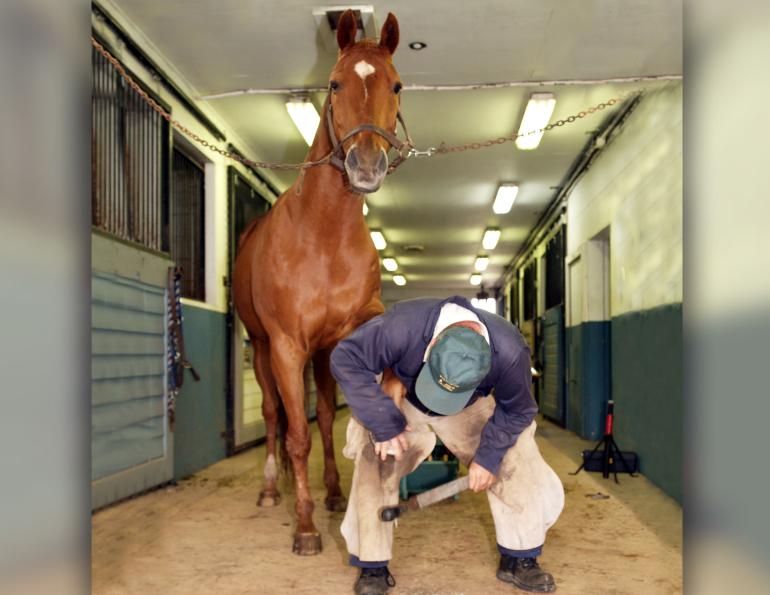
Understanding the Bigger Picture - “The farrier crippled that horse.” Over the past few months, I have heard this from at least two people complaining on behalf of a friend whose horse had gone lame. The farrier was implicated in both cases, and I was asked to consult on one of them. I am going to talk about several issues we farriers deal with all the time, and why it is highly unlikely that the farrier was responsible for the lameness.

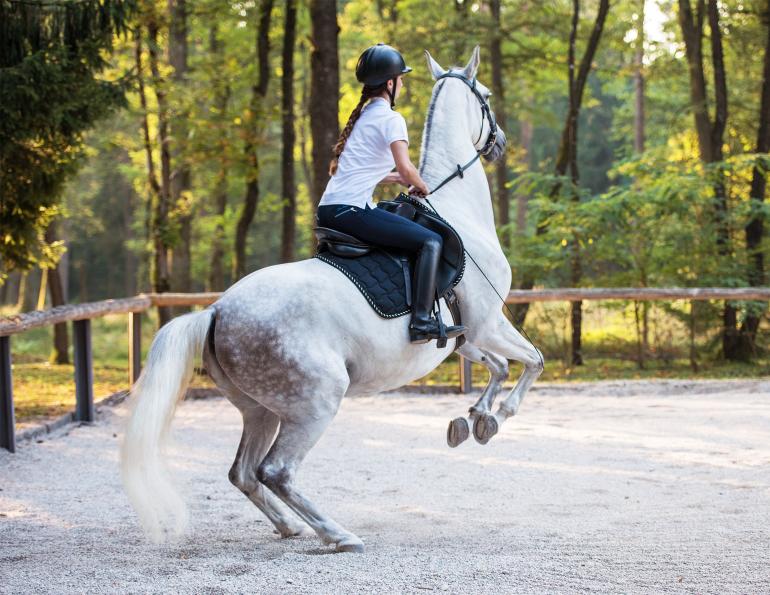
will clinging horse trainer, inexperienced yearling, problem behaviour horses, afraid horses, bad horses, horse rearing

On the way home from teaching a clinic, I sat at the ferry terminal reflecting on the weekend. The group of horses I worked with was diverse—ranging from steady old geldings to green yearlings, and a few that had been labelled as showing “problem behaviour.”

will clinging farrier, prepare for farrier, keeping farrier safe, farrier safety, apprentice farrier, farrier education, Canadian farriers association, Quebec farriers association, association of farrier trainers of Canada, approved journeyman farrier

Over the past 30 years, I’ve worked as a horse trainer, a cowboy, and a farrier. Today, I’m a full-time farrier and have always been very active in our horse community. I would like to share how my perspective has changed over the years and how my experiences as cowboy, farrier, and trainer have influenced how I work today. I also want to talk about safe spaces, safe horses, and share some insight into the farrier industry and what is happening with farrier training and qualifications.

will clinging horse trainer, my horse is anxious, releasing tension horse, riding a spooky horse

In another of my horse training articles, I discussed how tension impacts not only the horse’s well-being but also the overall training experience. In this article, I’d like to share a few strategies aimed at encouraging relaxation when a horse becomes overwhelmed.

load a horse in trailer, horse won't load in trailer, loading horses, will clinging

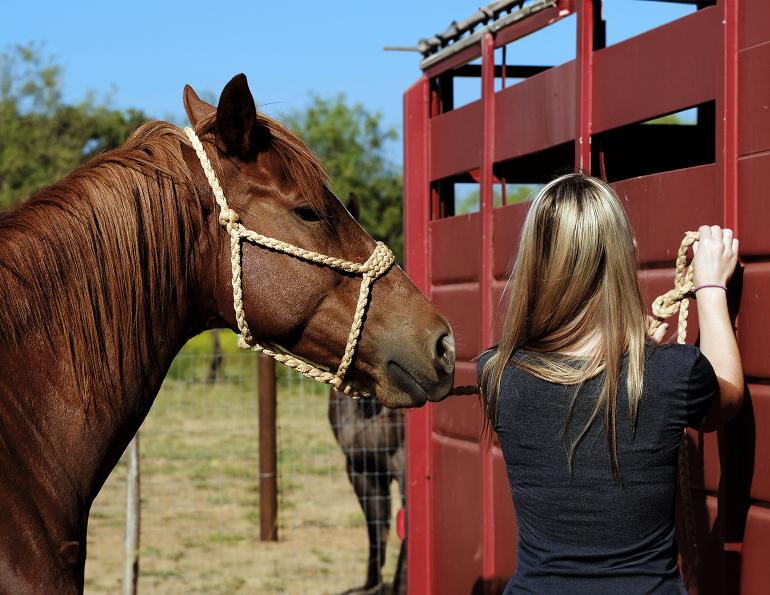
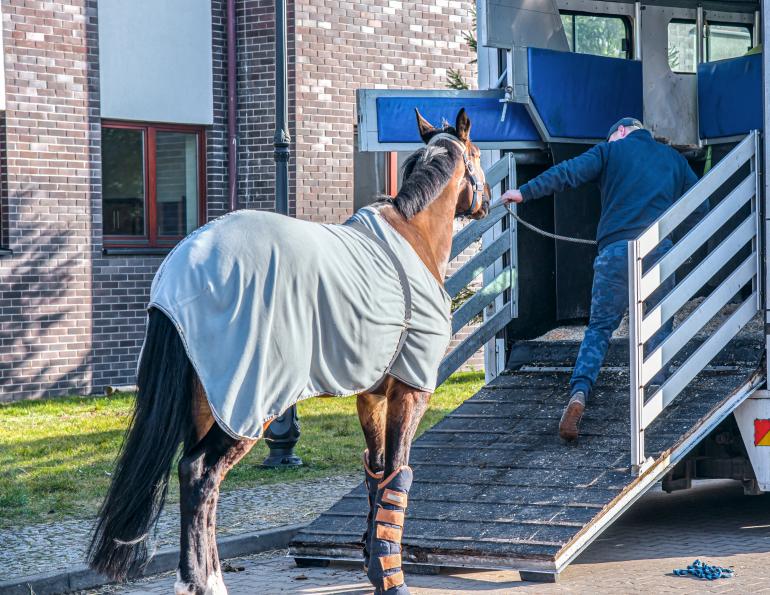
Helping horses load into a trailer with confidence is a common challenge, and I am often called upon to assist with both young horses learning to load and those struggling with trailer anxiety. Over the years, I’ve shared insights on horse trailer training, covering why it’s essential and how to approach it with the right techniques. However, this time, I want to shift the focus away from technique and explore the underlying factors that influence a horse’s willingness (or refusal) to load.

will clinging on natural horsemanship, how to naturally train horses, horse whisperer generation

Upon reflection of an email recently sent to me, the sender shared how they admired my training approach for not depending on devices or games, a trend that’s become popular since the rise of the “horse whisperer” era.

how to break a horse, how to school a horse, will clinging, how to create a bombproof horse

My introduction to horses came through ranch work. I was earning my keep in the saddle, riding horses owned by the outfit I worked for. At the time, I assumed logging long hours on horseback meant I was skilled. The truth? I was riding animals that were considered "broke" by ranch standards.

help horse work through confusion, understanding confused Horse, horse aggression, giving proper horse cues, jonathan field

Confusion is an emotion that we do not always allow our horses to feel. When you work with your horse, think about the horse as being always right. Most horses want to please us, so when they respond to a cue, they respond the way they think we want them to.

horse trigger, horse trigger points, horse training, difficult horse, Will Clinging, Clinging horse, horse trainer, Canadian horse journal, horse Canada, horse sport, horsemanship, Western horse, English horse, natural horse

When handling any horse with training or behavioural issues, I always watch for trigger points. A trigger point is basically a trigger that can cause the horse to associate a specific stimulus with a fear-based response. For example, a lunge whip flicked at a horse can cause him to remember that he was once scared or hurt by a lunge whip. If he has a flashback memory that takes over, the horse’s behaviour can revert back to previous evasive or reactive ways.

 how do i deal with a difficult horse? will clinging advice on training, my horse is spooky, my horse overreacts, how do horses learn?

I work with a large variety of horses and have worked with thousands of horses and riders in the past eight years. This has given me the opportunity to work with some fairly complicated horses. Although more difficult and sometimes seemingly impossible to train, the complicated ones teach us the most and challenge us to work the horse as an individual.

Horse Personality Profiling

When starting to work with a new horse, I am never sure what I’m faced with. In order to make my training time with that particular horse more efficient, I need to know more about his personality. Several factors influence how teachable a horse might be.

horser discipline tactics, understanding horse behaviour, understanding different horse temperaments, disciplining your horse

As a trainer and clinician I am fortunate to work with a wide variety and a large number of horses. As a result, I see different patterns of equine behaviour emerge.

spoiled horses, will clinging, nervous horse, scared horse, difficult horse

With today’s horse world being highly recreational, there are many horses that don’t have to earn a living. These recreational horses are often very well cared for and sometimes even coddled. I will not use the term “spoiled” as I think a spoiled horse is one that has become a serious problem for his owner. I will say, though, that some of these pampered horses are well on their way to developing “pampered horse complex.”

Controlling your emotions when Horse Training, level-headed horse training, positive reinforcement for horses, Will Clinging

Several years ago, one of my horses-in-training was Jax, a six-year-old Friesian-Hanoverian cross gelding with a few common issues which caused him to become unreliable to ride. As a result, his owner lost her confidence and thus her enjoyment of riding.

horse won't progress, will clinging horse trainer, training green horse, challenging to train horse

I recently taught a lesson for new clients who described their horse as being “evergreen,” a term that is fitting for many horses that don’t seem to progress. There are obviously many factors to consider when judging a horse’s progress, or lack thereof, including the amount of time spent working the horse, training methods employed, experience and expectations of the rider, confidence of the rider, and too many others to list.

Getting back to work after having time off can be difficult. The holiday is never quite long enough, so it’s nice to be able to ease back into the job. The same is true of horses that have had some time off.

Pages