Winter

horses joints sore, how to help my horse's pain, pain in joint horse, alexa linton, joint supplements horses

The relationship between our horses and their joints can feel scary, conjuring up words like “arthritis” and “lameness.” Our focus on joint function and integrity, including how this plays a role in a healthy hoof mechanism and legs, is designed to create a knowledgeable foundation to support your horse for years to come.

Dr. Tania Cubitt, Key Factors  Feeding Horses Winter, horse down-time, drinking water temperature horses, horse, horse water intake, horse fibre, equine water consumption, chronic equine weight loss,  equine water consumption winter months, equine water consumption pregnant maresn, foal nutrition

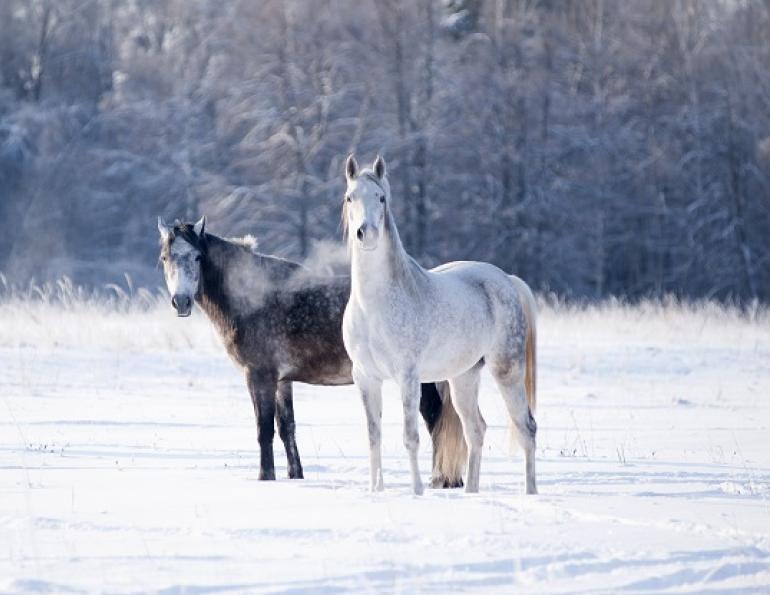
Most horses have some “down time” in winter, when adverse weather will not permit much riding or showing activity. A reduction in your horse’s activity level usually means a reduced need for calories, and requirements for grain or concentrate feeding can be lowered. During the winter season, temperatures typically fall below that necessary for pasture grass to grow. Pastures become rapidly depleted of natural forage and horses must increasingly rely on their owners to provide them with a nutritionally adequate diet. To properly feed a horse during the winter months the key factors of water, fibre, and essential nutrients must be addressed.

donkeys in the cold, how to keep donkeys warm, keeping horses warm, keeping equines warm

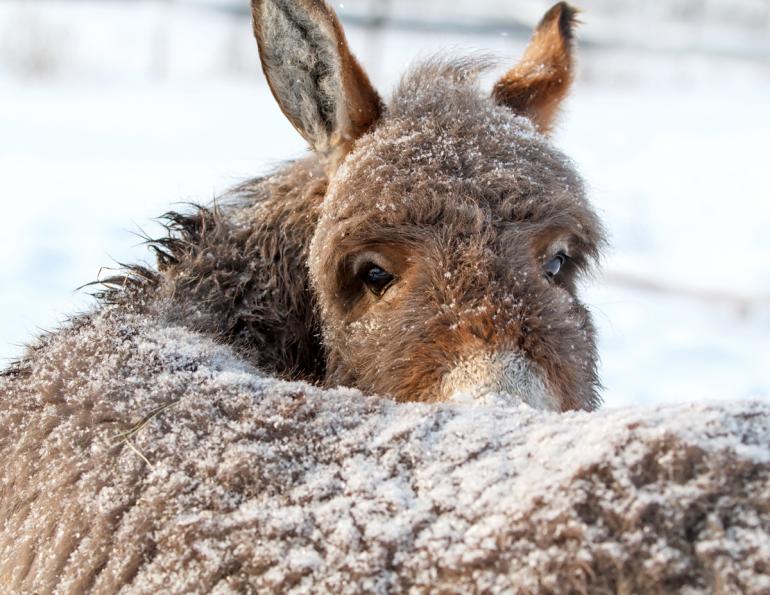
Donkeys are not well suited to cold, wet environments and need extra protection in the winter, new research has found. The findings have been incorporated into the UK's updated Department for Environment Food & Rural Affairs (DEFRA) Code of Practice for the welfare of horses, ponies, donkeys and their hybrids.

horse water winter equine watering heated troughs horse heated waterers horse waterers equine winter equine guelph system fence

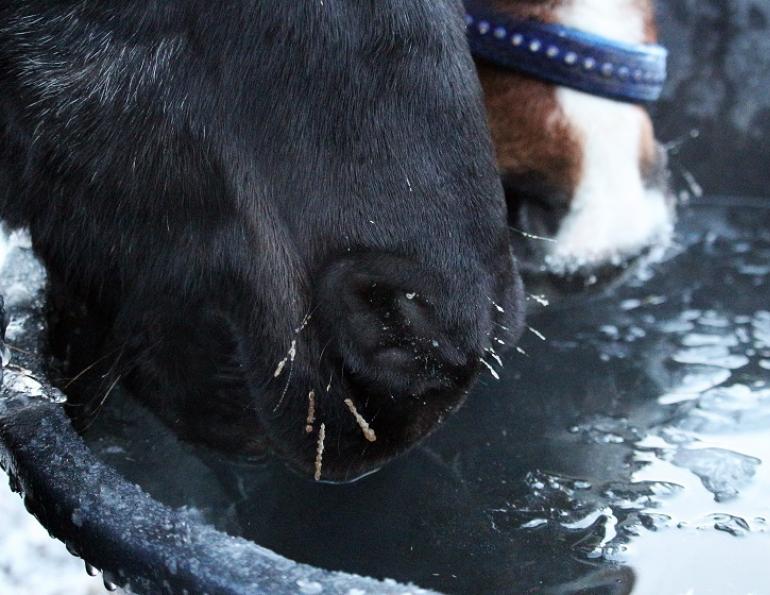
The colder months require careful consideration of seemingly simple tasks, such as providing your horse with fresh, clean water. Fortunately, horses, humans, and livestock have shared many Canadian winters together, and there are several options for winter watering.

winter riding, cooling out horse, horse snow, riding in show, cold weather riding

A proper horseback ride on a cold winter's day can offer an exhilarating experience, with the fluffy snow energizing your horse and the sunshine taking your mind off of the chilly air. But now, as the sun sets and winter’s cold returns, your horse is steaming with sweat, and it’s time to think about cooling down.

is it okay for a horse to shiver? does a horse need a blanket if it's below freezing? do clipped horses need blankets? can i layer horse blankets? can a horse overheat even if it's freezing? can i blanket a hot sweaty horse? is my horse blanket waterproof? types of horse blankets, rain sheets horses, fly sheets horses, stable blankets horses, turnout sheets horses

Blanketing your horse in winter might seem straightforward — just throw on a cover when the temperature drops and you’re done. In reality, it’s a far more nuanced decision. From choosing the right type of blanket to understanding when and how to use it, there’s a balance between keeping your horse comfortable, preventing health issues, and avoiding unnecessary wear or overheating. Add in the swirl of advice from seasoned barn hands, online forums, and long-held myths, and it’s no wonder many horse owners find themselves second-guessing their choices. This guide will cut through the confusion, explore the facts, and help you develop a practical blanketing routine tailored to your horse’s needs and your local climate.

mud horses, mud management horses, hanit mud control grids, improve drainage horse barn, wet horse paddocks, best footing muddy horse paddock, mats for stable mud management

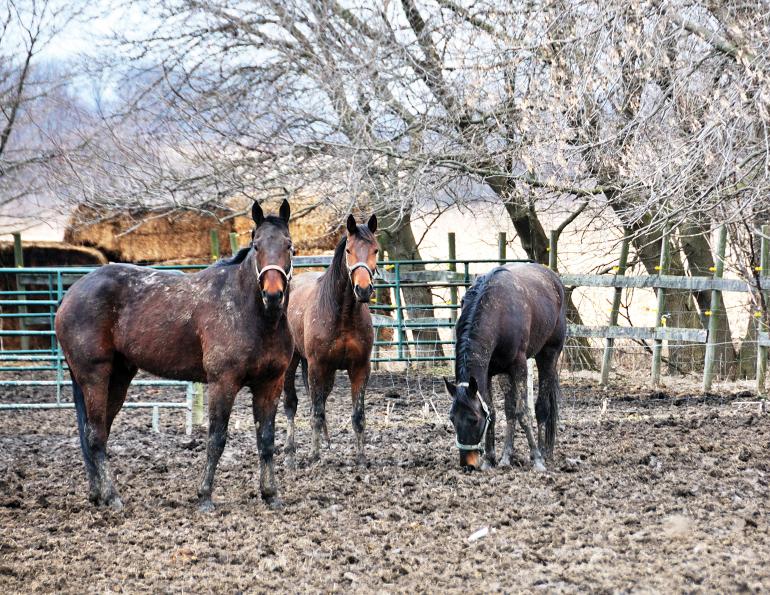
Mud season can be a real challenge for horse owners. Managing water and footing is essential to prevent the area from turning into a soupy mess. This past spring, we moved onto our own five-acre property and are preparing for our first fall and winter with our herd of four on a track system. It takes creative solutions to keep horses high, dry, and out of the muck, at least most of the time. No matter where you live in Canada, these ideas will help you manage the muddy seasons in your area.

Mud fever, equine pastern dermatitis, horse greasy heel, equine skin disease, fungi infection horse

Mud fever—also called greasy heel, scratches, or pastern dermatitis—is a skin disorder that commonly affects the lower legs of horses, especially around the heels and pasterns. It occurs most often in the wet seasons of fall, winter, and early spring, when horses spend long hours in muddy conditions that allow bacteria and fungi to multiply.

horse vet check, health care horse, veterinarians horses canada, farriers horses canada, farrier and vet relationship, western canadian farriers, ontario farriers, quebec farriers, farrier trainers of canada, american farriers, worshipful company farriers

The shorter, cooler days of autumn herald the approach of the cold winter months. Starting with the spring season, we all race around to participate in shows, rodeos, or backcountry camping trips. When those exciting events wind down, we can focus on all the tasks we’ve put off — those “before winter rolls around” jobs.

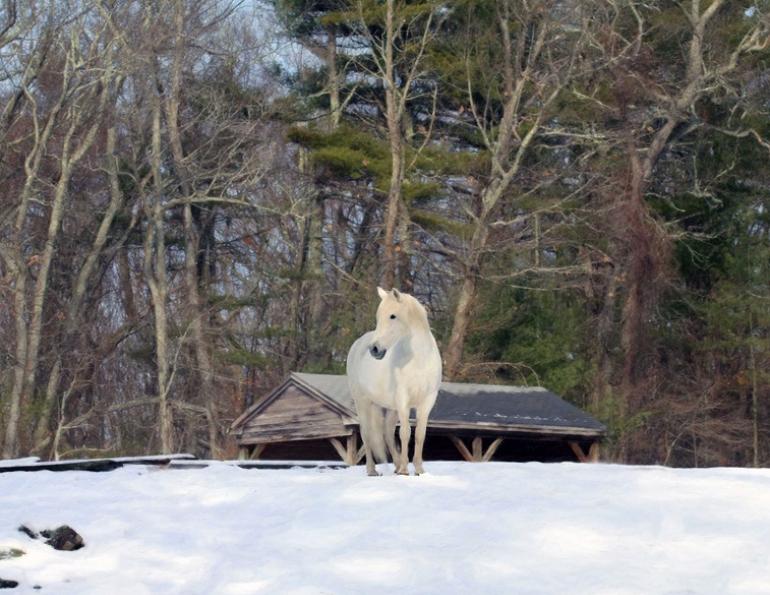
Horse Run-In Shed equine, horse shelter equine, horse property drainage

Among domestic animals, horses are some of the most naturally wide-ranging. They evolved as nomadic grazers, adapted to constant movement across varied landscapes and climates. Their instinctive response to any potential threat is still flight. Although domestication has shaped them to fit human needs, their fundamental nature remains largely unchanged.

Pages