Horse Behaviour & Psychology

traditional horsemanship practices, alexa linton, how to lead a horse, how to mount a horse, how to clean horse tack, best horse bits and saddle

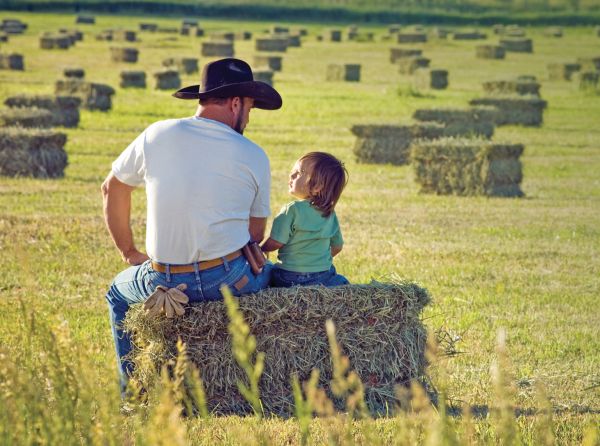
Why do we have them? What keeps us practicing them? As I write this article, I find it ironic that I am laid up on the couch with a lower back injury, brought on by the age-old tradition of lifting, hauling, and generally doing way too much when my body wasn’t up to the task. From my recovery position, it seems fitting to attempt to grapple with the rather sticky topic of traditions, and why we often feel so compelled to stick to them. I’ve touched on this a little in my past articles, but today I want to really dig in and unpack why and how traditions become traditions and what keeps us practicing them, sometimes long past their best before date.

alexa linton whole horse, horse misbehaving, difficult horse, best way to train a horse, do horses have feelings?

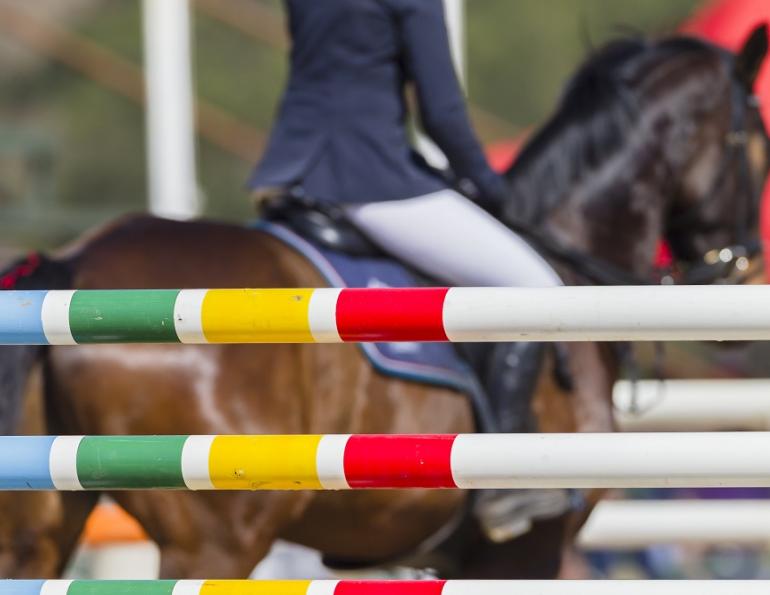
Is it effective or abusive? I remember the feeling like it was yesterday. I’m about 15 years old, and I’m riding a lesson horse in a ring. We’re jumping, or we’re trying to. It’s not going well. My instructor is screaming at me. Screaming. In hindsight, my horse is terrified. He has refused a jump, more than likely because he’s scared of it. My instructor is screaming at me over and over: “Get it done!” and “Don’t let him get away with it.” Eventually, with much kicking and whipping, my horse carries his terrified self and me over the jump. Our hearts are racing. We are both scared, bordering on traumatized, in a place where we are unable to think or be effective in any way.

alexa linton, how does a horse learn, josh nichol, hannah weston connection training, heather nelson liberty, equusoma, elsa sinclair

Adventures in Brain Power - Adaptability is an essential quality we think of in many contexts, and one synonymous with flexibility, learning, and growth. Yet, do we always overlay this quality on our horses and our training, or even more importantly, on the very thing that allows us to be adaptable in the first place — our nervous system? Have you ever met a horse or human who had a hard time learning or retaining a new skill, exhibited “bad” behaviour when under pressure, was challenged by changes such as moving, new environments, or with their schedule, companion, or training routine? I know I have, and I have also been that human, and had that horse. Often, we get labelled as overly sensitive, flighty, or even slow or challenged learners, but the reality is that each horse and human has a unique nervous system that functions, thrives, and learns in different ways and under different conditions.
Jonathan Field training tips, how to train young horses, tips on training young horses, how to get the most out of your young horse

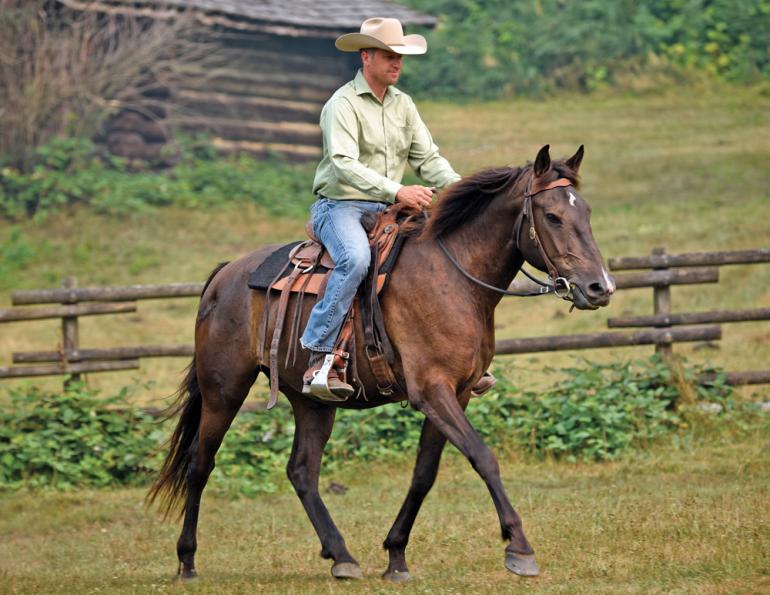
We’ve all had a horse that was hesitant to go forward with ease and willingness. I want to share the story of one such colt I started recently, and some of the strategies I employed to help him “free up.” These techniques work well for horses of all ages. This article is ultimately about rider self-awareness, timing, and avoiding the overuse of pressure, which unintentionally dulls the horse. Take special note of the tips for success, and the pitfalls many riders face when their horse is dull to their aids.

Mark Andrews equine science update, ovariectomy horses, why is my mare so grump, misbehaving mare, should i have my horse's ovaries removed?

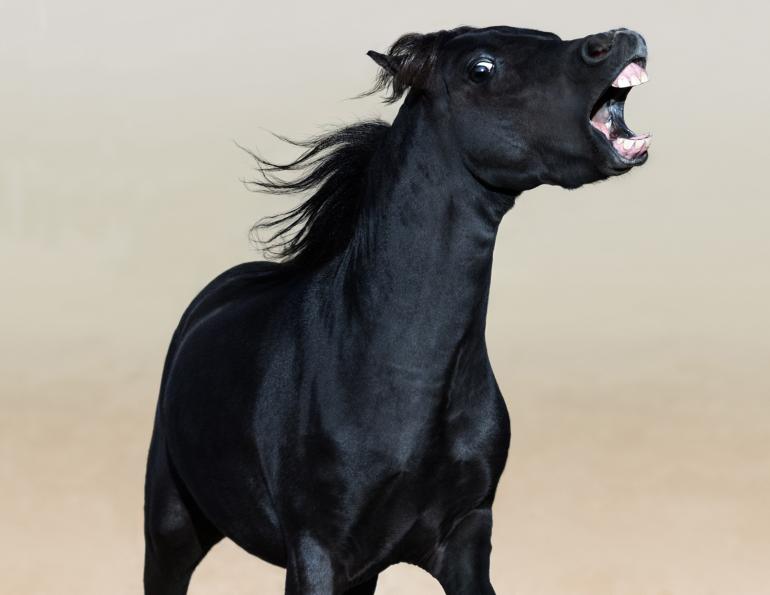
Moody mares may benefit from ovariectomy to alter their behaviour and rideability, according to a recent report. Some mares are difficult to manage and perform poorly as a result. They may be uncooperative or aggressive when handled on the ground. They may kick, buck, or rear when ridden, or may be aggressive towards other horses.

horse brain human brain book janet l jones, psychology on horses, neuroscience horsemanship

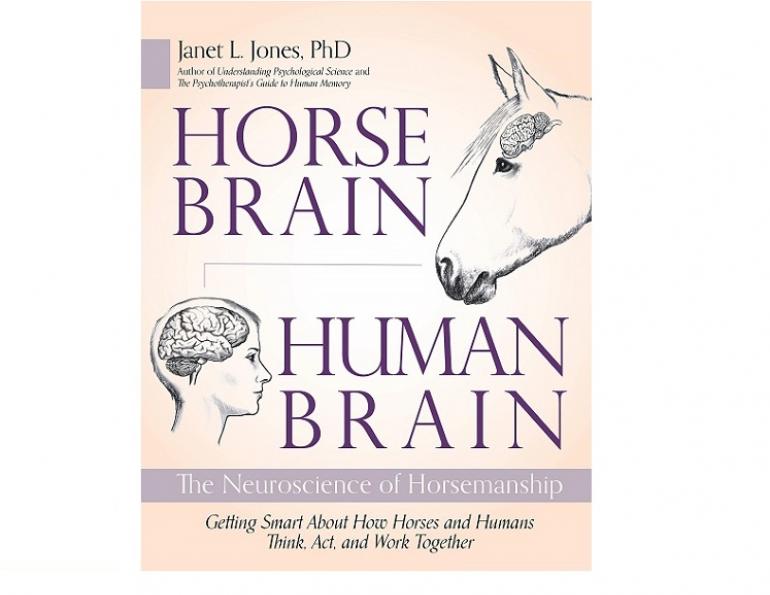
The Neuroscience of Horsemanship by Janet Jones, PhD. If there was ever a book whose time has come, it has to be HORSE BRAIN HUMAN BRAIN by Janet Jones, PhD. Jones is a cognitive scientist who applies brain research to the training of horses and riders by using the principles of working with horses at the neurological level, that internal space where the brains of two different species interact.

book review what horses really want, lynn acton horse book, horse psychology, how to understand my horse

Unlocking the Secrets to Trust, Cooperation, and Reliability - Almost all riders will say they have their own approach to building a relationship and achieving success with their horses.

Love Your Horse, but Riding Scared?, April Clay, M.Ed., afraid of horse, fearful of your horse, anxious horse riding, overcoming horse riding stress, breaking up with your horse, make up or break up with your horse

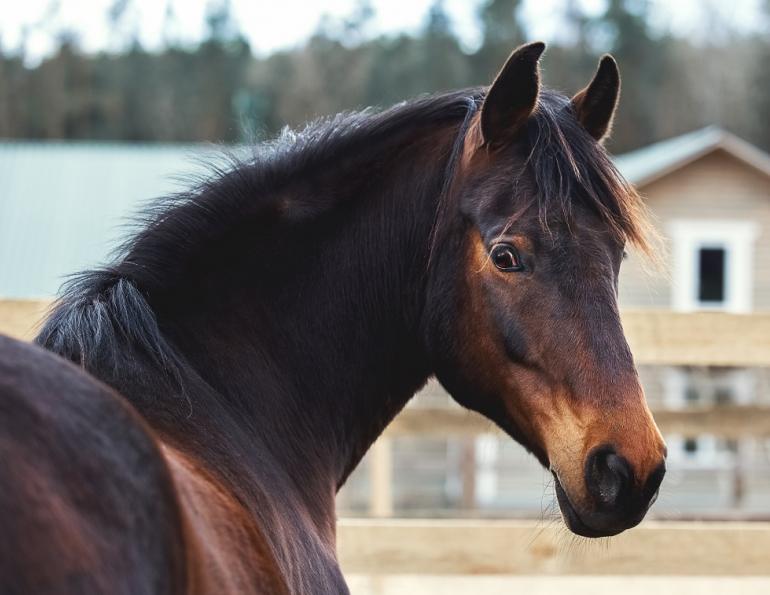
If you have been riding for some time, chances are you have come across a mount that challenged you. Or maybe he scared you. Perhaps the horse forced you to face that very difficult question: Is this the wrong horse for me… or is it just me? What can you do when fear cripples your riding experience?

how to correct a problem horse, allowing the horse to figure it out, will clinging horse training

There is always a reason when things go wrong, and we have to accept at least half of the responsibility. Remember it is we who are asking for certain acceptable behaviour; if we have not defined what is actually acceptable then the horse is right to be wrong.

happy horse, horse wellbeing, alexa linton, equine sports therapist, how to respect my horse, understanding my horse

The conversation surrounding needs is interesting and complex in terms of our non-speaking horses, especially within a culture that has a historically tricky relationship with the expression of needs. For the purpose of this article, let’s define a need as either a base need required for survival, namely food, water, shelter, and movement, or a need required to thrive, such as friends, space, play, touch, connection, purpose, praise/affirmation, supplementation, and interesting activities. When it comes to our relationship with our horse, the combination of the perceived needs of the rider and the potential needs of their horse can be a space of connecting growth or disconnecting frustration, depending on our perspective and openness to collaborative solutions.

Pages