Horse Behaviour & Psychology

load a horse in trailer, horse won't load in trailer, loading horses, will clinging

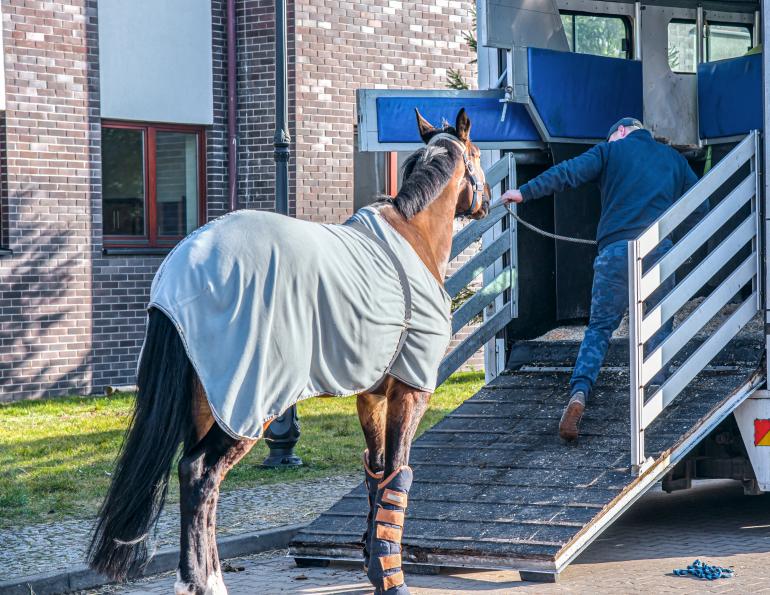
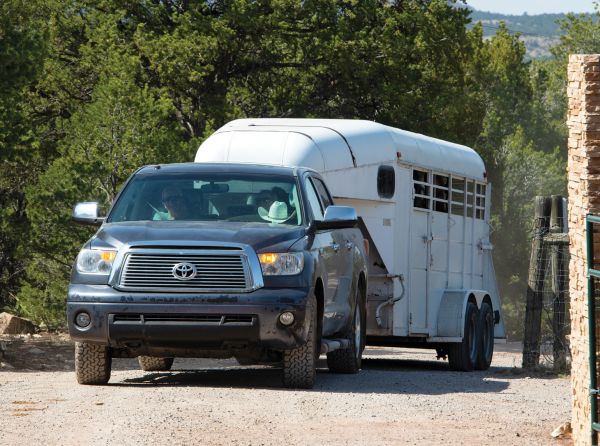
Helping horses load into a trailer with confidence is a common challenge, and I am often called upon to assist with both young horses learning to load and those struggling with trailer anxiety. Over the years, I’ve shared insights on horse trailer training, covering why it’s essential and how to approach it with the right techniques. However, this time, I want to shift the focus away from technique and explore the underlying factors that influence a horse’s willingness (or refusal) to load.

help a horse slow down, horse rushing jumps, training a horse to wait, lindsay grice, horse rushing through gate

The link between speed and stress in equine behaviour - My first mount charged his jumps with enthusiasm. He never backed off. I believed he was a “brave” jumper — passionate about jumping, just like me! Every time we approached a jump, his head would lift, ears would lock forward, and his pace would quicken. I assumed the jumper ring, with its emphasis on speed, was a more suitable match for my spirited jumper than the slower-paced hunter ring. But once we entered the competition arena, his eagerness became an issue.

horse won't go through gate, gate exercises horses, competitive trail competitions, working equitation, mountain trail horse, extreme cowboy tests, horse afraid gate

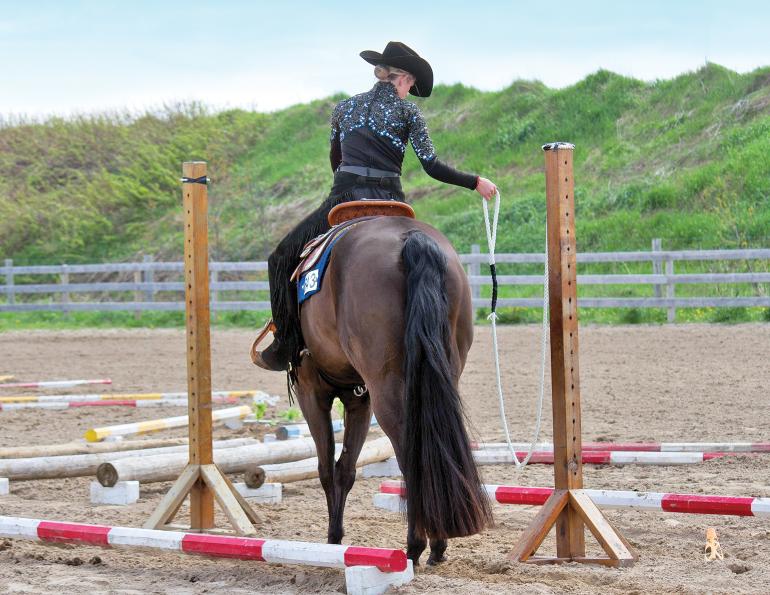
Essentially, a gate is a transition from here to there. It’s a transition from one pasture to another, replicated in competition. Learning to work a gate can be part of your horse’s training transition into a more attentive, patient, and handy partner.

help horse work through confusion, understanding confused Horse, horse aggression, giving proper horse cues, jonathan field

Confusion is an emotion that we do not always allow our horses to feel. When you work with your horse, think about the horse as being always right. Most horses want to please us, so when they respond to a cue, they respond the way they think we want them to.

how smart are horses, do horses understand their humans? applied animal behaviour science equine, nottingham trent university equine, whoa, n-go study

Horses are more intelligent than previously believed, according to a new study that shows how they cleverly adapted their behaviour to maximise rewards with minimal effort.

Jonathan Field, how to stop horse bucking, why is horse bucking, horse won't canter trot, groundwork for horse

Recently, I helped a friend whose mare was having problems with the transition to canter. Moving from trot to canter was scary at best – the mare might cut sharply into a turn, panic and rush, or throw in a strong buck. The mare seemed to be saying let’s just stick with the trot!

boarding schools for horses, choosing horse trainer, how to train horse, alexa linton, horse psychology, therapy horses

What to consider when sending your horse out for training - Along with many people, I've sent my horse away for training with varying results as to its impact. It is common practice, especially at certain stages of training such as starting under saddle, to invest in several months of intensive training at a trainer’s facility. Given that our horse is going to be in someone else’s care for a substantial amount of time, in a new environment, with countless changes, a great level of care must be given to our decision.

evolution of ponies, riding ponies, training ponies, children and ponies, nikki alvin smith, what to look for in a pony, my pony bites

Sadly, ponies get a lot of bad press. Even so, their reputation as being lazy, stubborn, and difficult to train, plus their seemingly inherent displays of poor behaviour, have less to do with their innate nature and more to do with a lack of training.

housing stallions, windy coulee canadian horses, coulee dawn, stallions and mares, happy stallion, aggressive stallion

Satisfying the horse-specific needs of stallions is imperative for their mental and physical health. However, it can be challenging to provide living arrangements where stallions aren’t just surviving — but thriving. Kelly Brook Allen is one stallion owner who is adamant about her horse’s welfare. “He gets to live a normal life,” she says. Allen owns Canoa Farms in Merritt, British Columbia with her husband, Ron Stolp.

colic surgery horses, rehabilitation horse, dr. crystal lee, burwash equine, exercises for equine rehabilitaion, books on horse rehab

One of the many reasons that the words “colic surgery” tend to strike fear into a horse owner’s heart is the question of whether their horse will be able to return to their previous level of performance (or even return to performing at all). A recent research study by Dr. Holcombe and her team at Michigan State University looked at specific ways that a horse owner can influence the likelihood of this return to performance after colic surgery (1).

Pages