Ground Work & Handling

horse exercises for lightness, lateral poll flexion exercises, schaukel horse training, jec ballou horse trainer, ground pole exercises horses, improving contact with horses

While it might often be spoken about in artistic, aesthetic, or even philosophical ways, lightness — both of movement and also of communication with horses — is more than an abstract ideal. In many ways, it measures a horse’s current physiological capabilities.

horse massages, equine fitness plans for horses, warm-ups for horses, jec ballou fitness & performance, groundwork exercises for horses, stretches for horses

Given the various components of fitness, conditioning plans can vary widely from horse to horse. Some need a program of mostly therapy-based exercises to address coordination, postural, or mechanical deficits before moving on to aerobic and gymnastic gains. Others need a restructuring of their workouts and plenty of good hard efforts to push past performance plateaus.

desensitizing horse, my horse is spooky, whole horse podcast, alexa linton, horse scared, how to disensitize horse, trauma horse, horse signals, freedom based horse training, emotional horsemanship, lockie phillips

A closer look at the troubling physiology behind this common practice and how to support curiosity and courage in our horses instead.

how do horses learn? stop a horse testing you, horse welfare, horse misbehaving, horse abuse

Every interaction we have with a horse involves principles of learning, whether we are aware of it or not. Problems arise when the wrong technique is chosen, or a correct one is applied incorrectly. In such cases, the horse can become confused and respond with behaviours often labelled as stubborn, unwilling, naughty, or even dangerous.

horse trailering, horses trailers, worthy of horse, good to your horse, respect your horse, pressure-free horse training methods

Those who ride and care for horses know that an injured equine is an inevitable event, even if the horses in their care live in a padded stalls wrapped in protective gear. While some horses seem remain remarkably unscathed, others keep us on high alert (and drain our wallets) with their uncanny ability to get injured. But is it really just bad luck? Or could our approach to horsemanship play a bigger role than we realize?

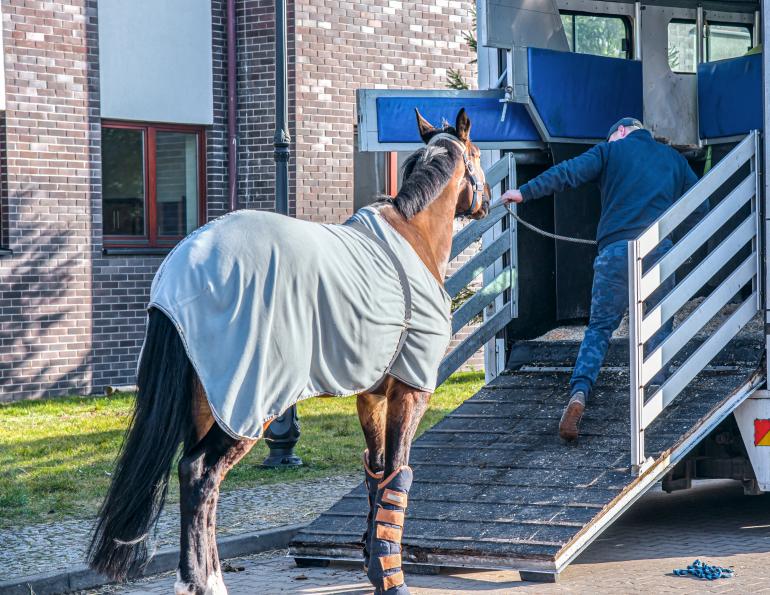
load a horse in trailer, horse won't load in trailer, loading horses, will clinging

Helping horses load into a trailer with confidence is a common challenge, and I am often called upon to assist with both young horses learning to load and those struggling with trailer anxiety. Over the years, I’ve shared insights on horse trailer training, covering why it’s essential and how to approach it with the right techniques. However, this time, I want to shift the focus away from technique and explore the underlying factors that influence a horse’s willingness (or refusal) to load.

healthy horse hooves, nutrition for hoof care in horses, training exercises for strong hooves, jec ballou, best footing for healthy horse hooves, nutrition for hoof care in horses, training exercises for strong hooves horse, jec ballou

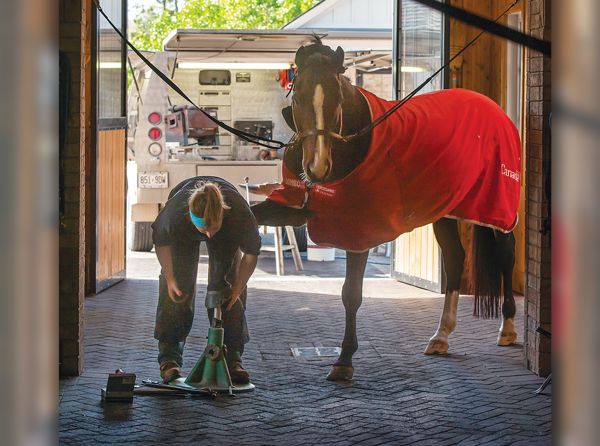
Unhealthy hooves in horses are often not due to genetic weakness, but rather preventable lifestyle factors. While it’s hard to admit, many common horsekeeping practices contribute to sore feet in horses. Key causes of weakened hooves in modern horses include limited movement, inappropriate ground surfaces, improper diet and supplements, and early development practices such as weaning.

jec ballou, conditioning horse, training young horse, exercising horse, jec ballou exercises, ground pole exercises

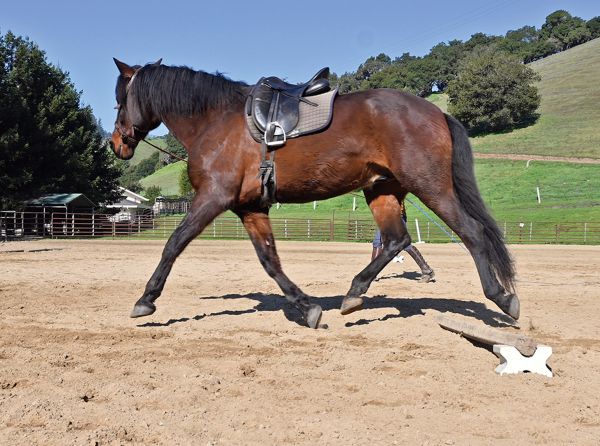
Should young horses be left in pasture to grow up or brought in to begin their training? While arguments can be made in favour of each plan, the ideal approach is actually somewhere in the middle. In order to enjoy athletic lives later on, youngsters do need regular exercise, but the structure of their training should differ from that of a mature horse. Primarily, it should be shorter, slower, and avoid concussive skeletal forces.

boarding schools for horses, choosing horse trainer, how to train horse, alexa linton, horse psychology, therapy horses

What to consider when sending your horse out for training - Along with many people, I've sent my horse away for training with varying results as to its impact. It is common practice, especially at certain stages of training such as starting under saddle, to invest in several months of intensive training at a trainer’s facility. Given that our horse is going to be in someone else’s care for a substantial amount of time, in a new environment, with countless changes, a great level of care must be given to our decision.

evolution of ponies, riding ponies, training ponies, children and ponies, nikki alvin smith, what to look for in a pony, my pony bites

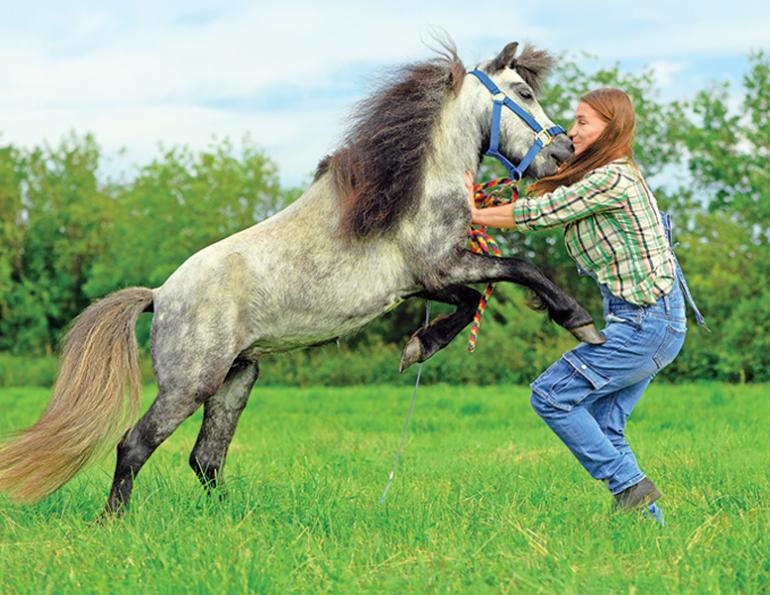
Sadly, ponies get a lot of bad press. Even so, their reputation as being lazy, stubborn, and difficult to train, plus their seemingly inherent displays of poor behaviour, have less to do with their innate nature and more to do with a lack of training.

Pages